
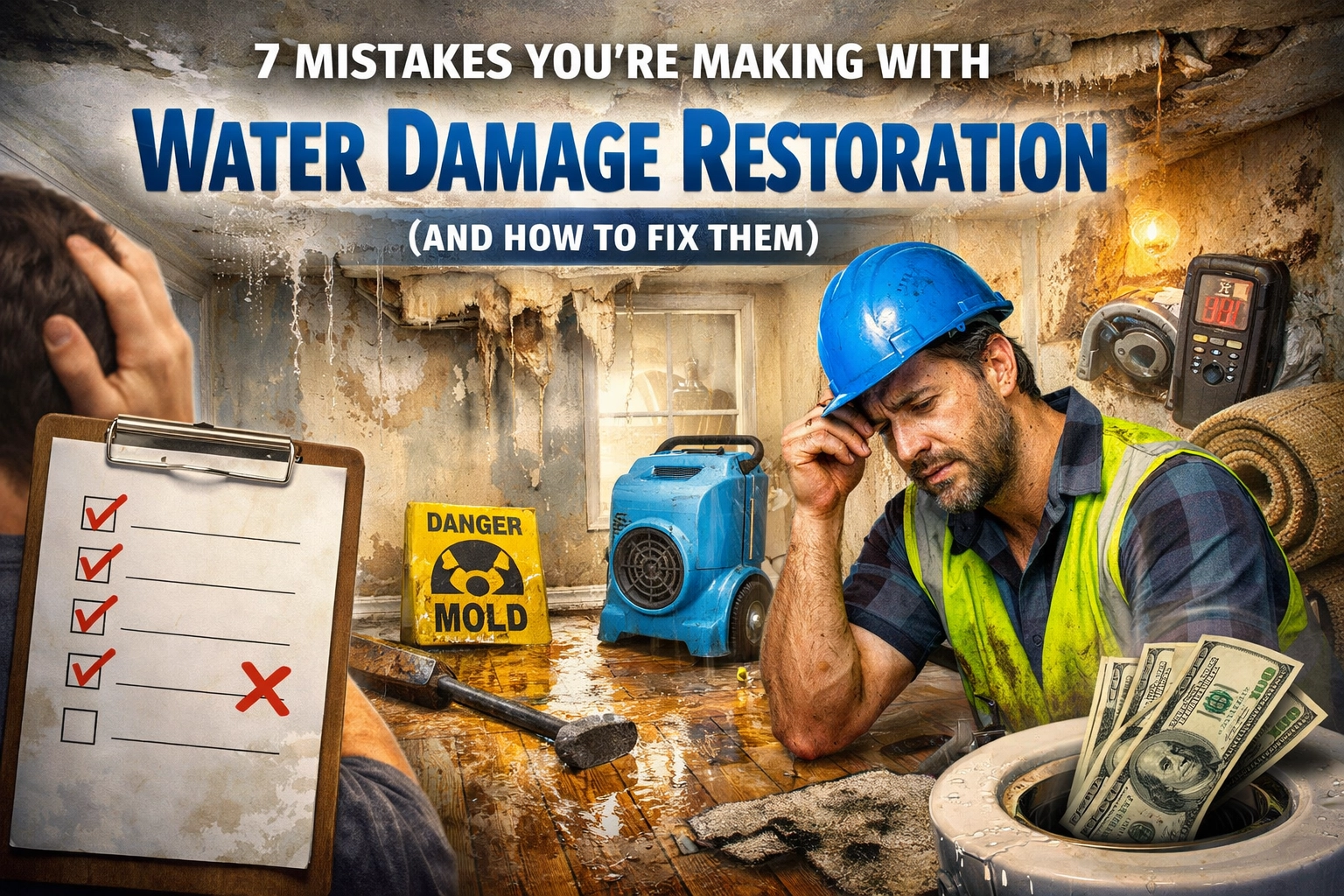
Nobody plans for water damage. One minute you're living your life, and the next, you're standing in a puddle wondering what just happened. Whether it's a burst pipe, a leaky roof, or flooding from a storm, water damage is stressful enough without making mistakes that turn a bad situation into a disaster.
The truth is, most homeowners make the same avoidable errors when dealing with water damage restoration. These mistakes can lead to mold growth, structural damage, and thousands of dollars in additional repairs. Let's walk through the seven most common mistakes people make, and more importantly, how to fix them.
This is the big one. When water damage happens, every minute counts. We've seen too many homeowners think, "I'll deal with this tomorrow" or "Let me finish work first." Here's the reality: water doesn't wait for your schedule.
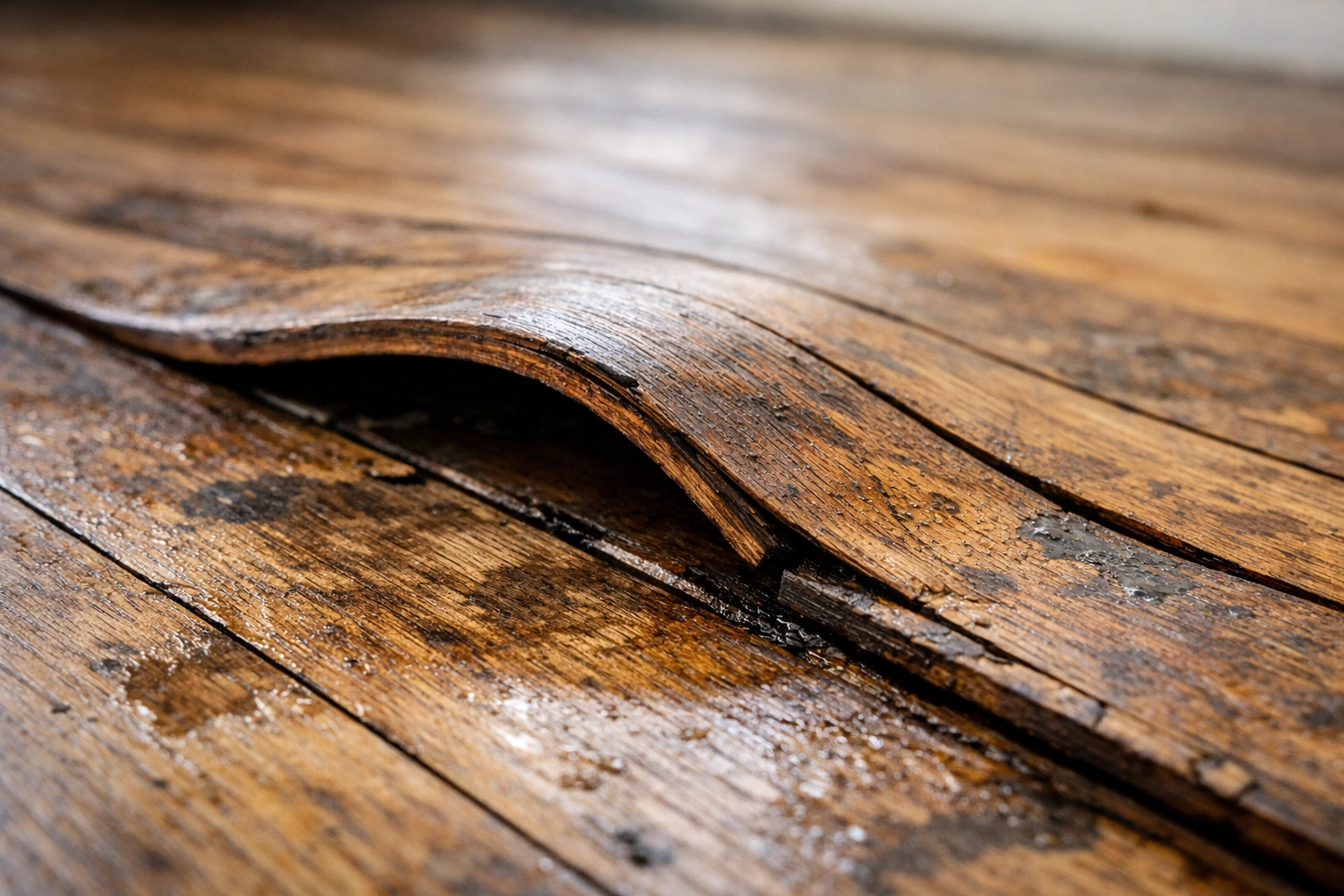
Water spreads fast. It seeps into walls, floors, and furniture within hours. Even worse, mold can start growing in as little as 24-48 hours. The longer water sits, the more damage it causes, warped wood, ruined drywall, stained carpets, and weakened structures.
The Fix: Start the water damage restoration process immediately. If you can't handle it yourself (and honestly, most people can't), call professionals right away. Professional restoration teams respond quickly because they understand that time is literally money when it comes to water damage. The faster you act, the more you'll save in repairs and headaches.
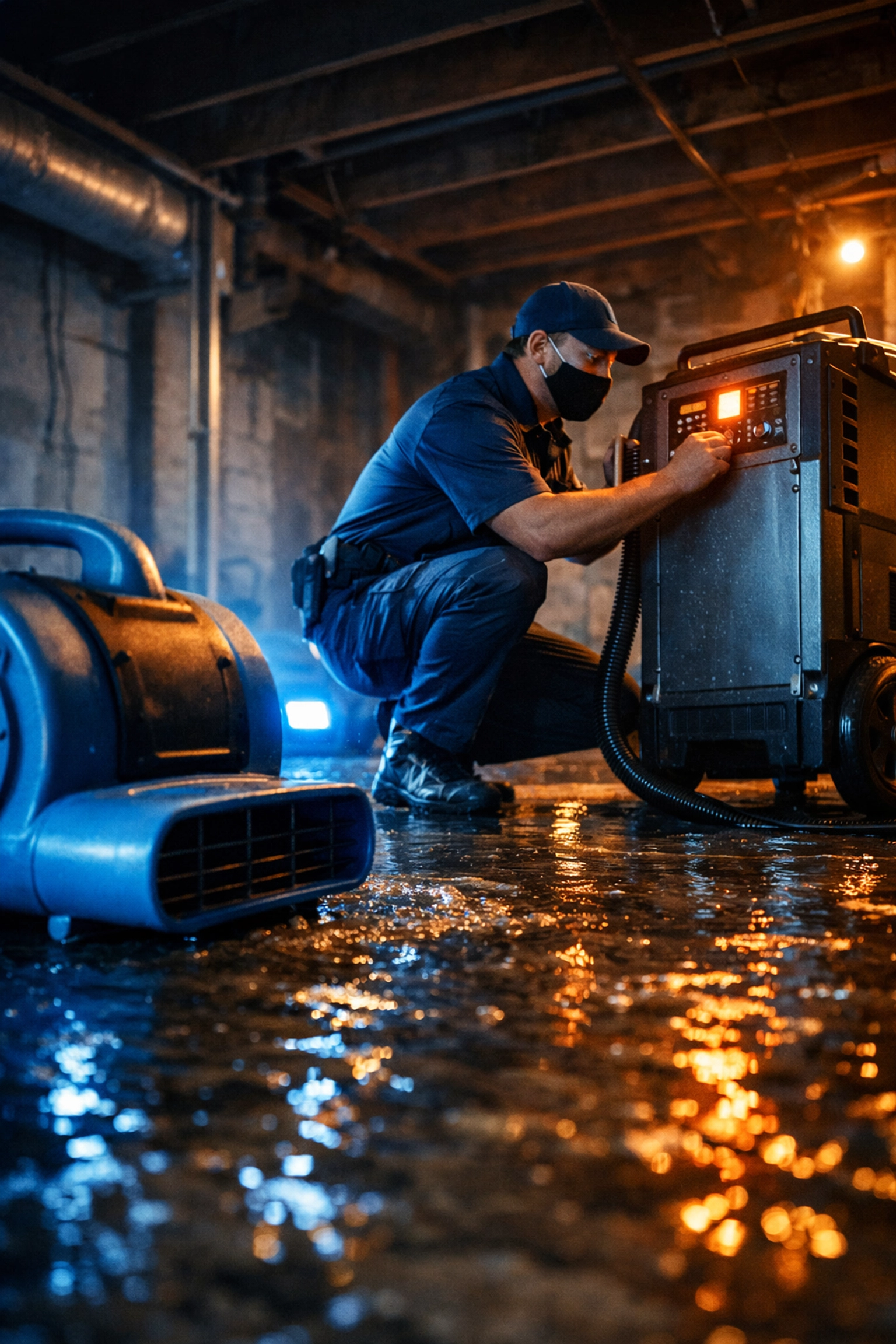
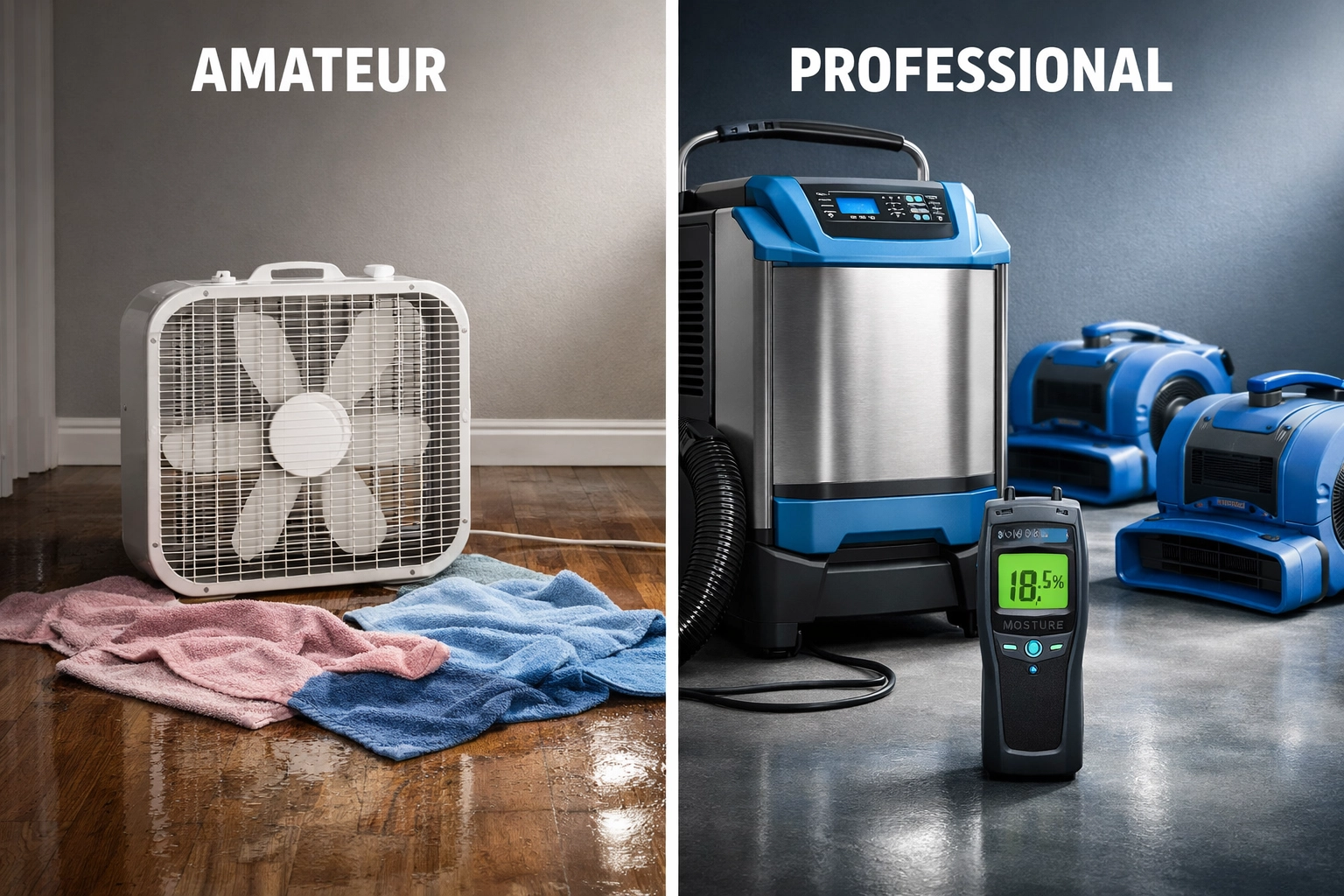
We get it. Your first instinct when you see standing water is to grab every towel in the house and set up fans everywhere. While that's better than doing nothing, it's nowhere near enough.
Household fans and towels can't remove moisture that's hiding deep inside your walls, under your flooring, or in your insulation. That hidden dampness is a ticking time bomb for mold growth and odors that'll make your home smell like a wet basement for months.
The Fix: This is where professional equipment makes all the difference. Industrial-grade dehumidifiers, commercial air movers, and moisture meters are designed to pull every trace of water from materials you can't even see. These tools don't just dry the surface, they extract moisture from inside walls, beneath floors, and within furniture. Think of it like this: your box fan is a bicycle, and professional equipment is a sports car. Both move air, but only one will actually get the job done right.
What you see on the surface is just part of the story. Water is sneaky. It travels behind walls, seeps under baseboards, and hides in ceiling cavities. Those small pockets of trapped water weaken your home's structure, promote rot, and create perfect breeding grounds for mold.
Most homeowners clean up the visible mess and assume they're done. Meanwhile, moisture is quietly destroying their home from the inside out.
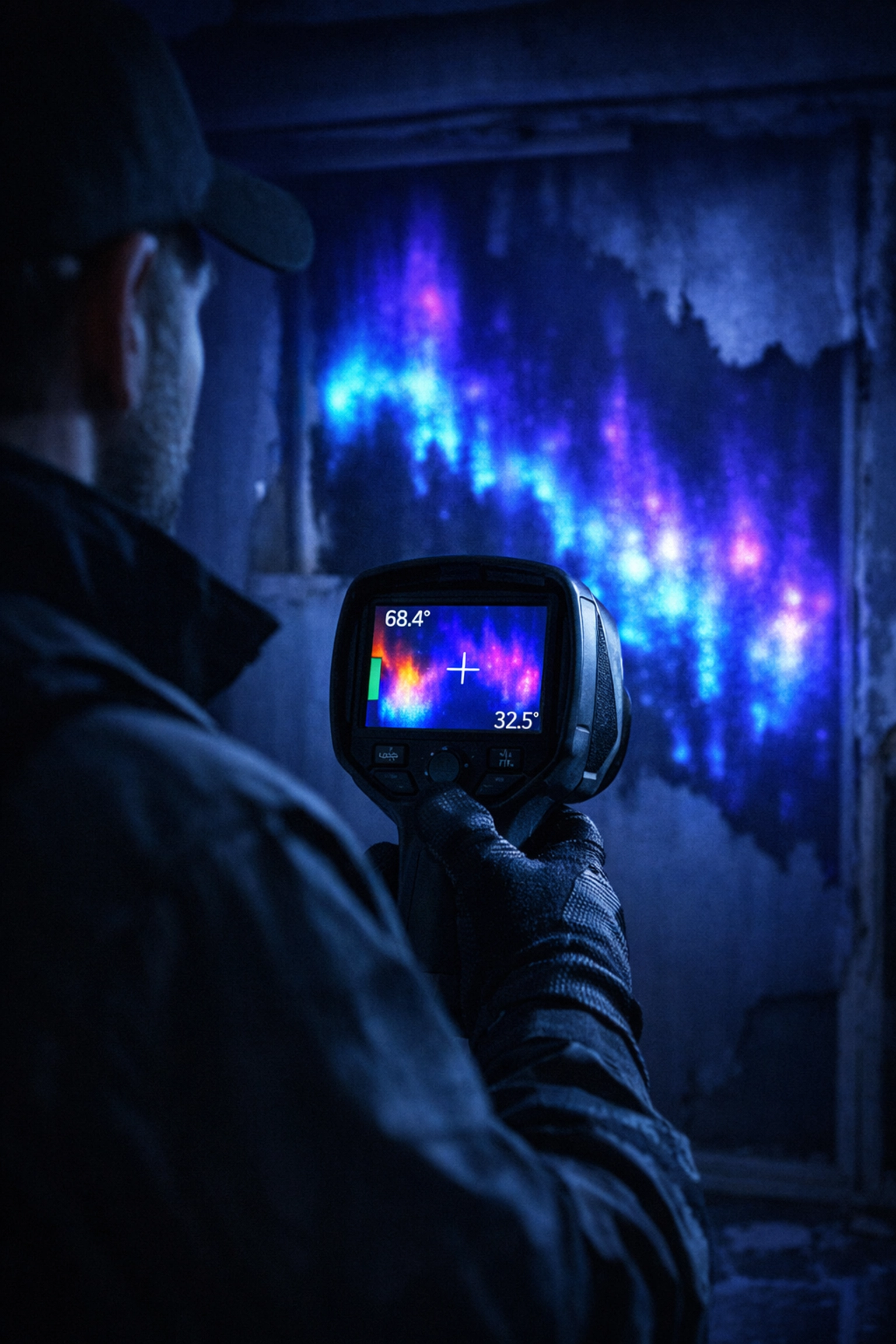
The Fix: Professionals use specialized tools like moisture meters and infrared cameras to detect water you can't see. These tools identify hidden pockets of moisture before they become serious problems. After restoration, a proper moisture test verifies that everything is actually dry, not just looks dry. This step saves you from discovering mold remediation issues six months down the road when black spots start appearing on your walls.
Here's something most people don't realize: removing the water is only half the battle. Depending on the source, that water might be carrying bacteria, contaminants, and all sorts of nasty stuff you don't want in your home.
Even clean water can pick up dirt, debris, and organic materials as it spreads through your house. Floodwater? That's a whole other level of contamination. Simply drying everything out leaves behind bacteria and odors that create health concerns for your family.
The Fix: Professional water damage restoration includes deep cleaning and sanitization. This means disinfecting all affected surfaces, purifying the air, and eliminating odors completely, not just masking them with air fresheners. If sewage cleanup is involved, sanitization becomes even more critical. You need proper disinfection protocols to make your home safe again.
This mistake is so common it's almost funny (except it's not, because it's expensive). Homeowners focus all their energy on cleaning up the mess but never address why it happened.
Was it a small roof leak? A failing appliance? An old pipe that finally gave out? If you don't fix the root cause, you're just setting yourself up for round two. And trust us, nobody wants to deal with water damage twice.
The Fix: Once the immediate crisis is handled, hire a contractor to identify and permanently fix the underlying issue. Patch that roof. Replace that pipe. Fix that appliance. Yes, it costs money upfront, but it's way cheaper than paying for water damage restoration multiple times. Think of it as an investment in never having to go through this nightmare again.
Look, we love a good DIY project as much as anyone. But water damage restoration isn't the time to channel your inner handyman unless you really know what you're doing.
DIY attempts usually lead to incomplete drying, missed damage, and secondary problems like mold growth or structural issues. The question isn't whether you're capable, it's whether you have the training, equipment, and experience to identify every potential problem.
When should you handle it yourself? Only if all these conditions are true: you know exactly where the water came from, it's clean water (not sewage or floodwater), the damage occurred within the last 24 hours, and the water didn't penetrate behind walls or ceilings. If any of those don't apply, call the pros.
The Fix: Professional restoration experts are trained to assess the full scope of damage, identify risks you might miss, and execute a comprehensive restoration plan. They also document everything for insurance purposes, which makes your life so much easier when filing claims. At My Water Damage Hero, we've seen it all, and we know how to handle each situation efficiently.
It sounds counterintuitive, right? How can drying too fast be a problem? But it absolutely can be.
Pointing fans directly at wet wood can cause warping. Using excessive heat might actually accelerate mold growth instead of preventing it. And rushing the process often means missing moisture that's trapped deeper in materials. Some restoration companies even make this mistake by underestimating how much moisture is hidden in walls and substructures.
The Fix: Proper drying requires the right balance of temperature, humidity control, and airflow patterns. Don't blast everything with direct heat or set fans to hurricane mode. Instead, use controlled conditions that allow materials to dry evenly and completely. Professional equipment maintains optimal drying conditions without causing additional damage. After everything looks dry, conduct thorough moisture testing to verify that it's actually dry all the way through: not just on the surface.
Water damage restoration isn't just about getting rid of water. It's about protecting your home from long-term damage, preventing mold growth, eliminating health hazards, and making sure the problem doesn't come back.
The mistakes we've covered aren't just theoretical: they're the real issues we see homeowners dealing with every single day. The good news? Every single one of them is completely avoidable.
Whether you're dealing with fire damage restoration, mold remediation, or emergency water extraction, the key is acting fast and doing it right the first time. Your home is probably your biggest investment. It deserves professional care when disaster strikes.
If you're facing water damage right now, don't wait. Don't experiment with DIY solutions when your home's safety is on the line. Reach out to the professionals who have the tools, training, and experience to restore your home properly the first time.
Because the only thing worse than dealing with water damage once? Dealing with it twice because you tried to cut corners the first time around.
Contact us for quick, trusted restoration.
See how we’ve turned tough situations into success stories.

