
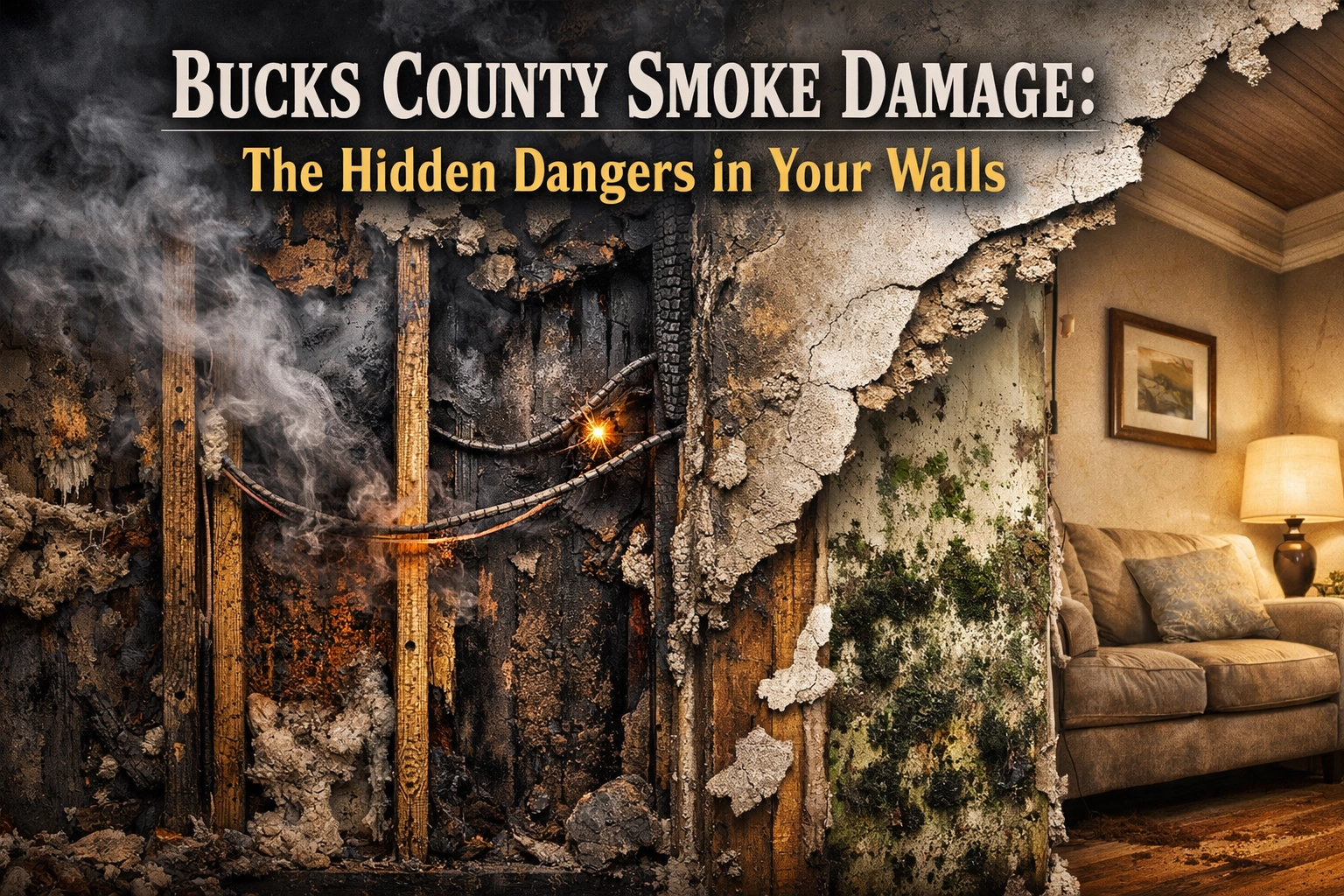
You've dealt with a fire in your Bucks County home. The flames are out, the firefighters have left, and you're looking around at the visible damage. The blackened walls, the charred furniture, the overwhelming smell, it's all right there in front of you.
But here's what most homeowners don't realize: the worst smoke damage isn't what you can see. It's what's hiding inside your walls.
When people think about smoke damage repair in Bucks County, they usually picture cleaning soot off surfaces or getting rid of that burnt smell. That's part of it, sure. But smoke is sneaky. Really sneaky.
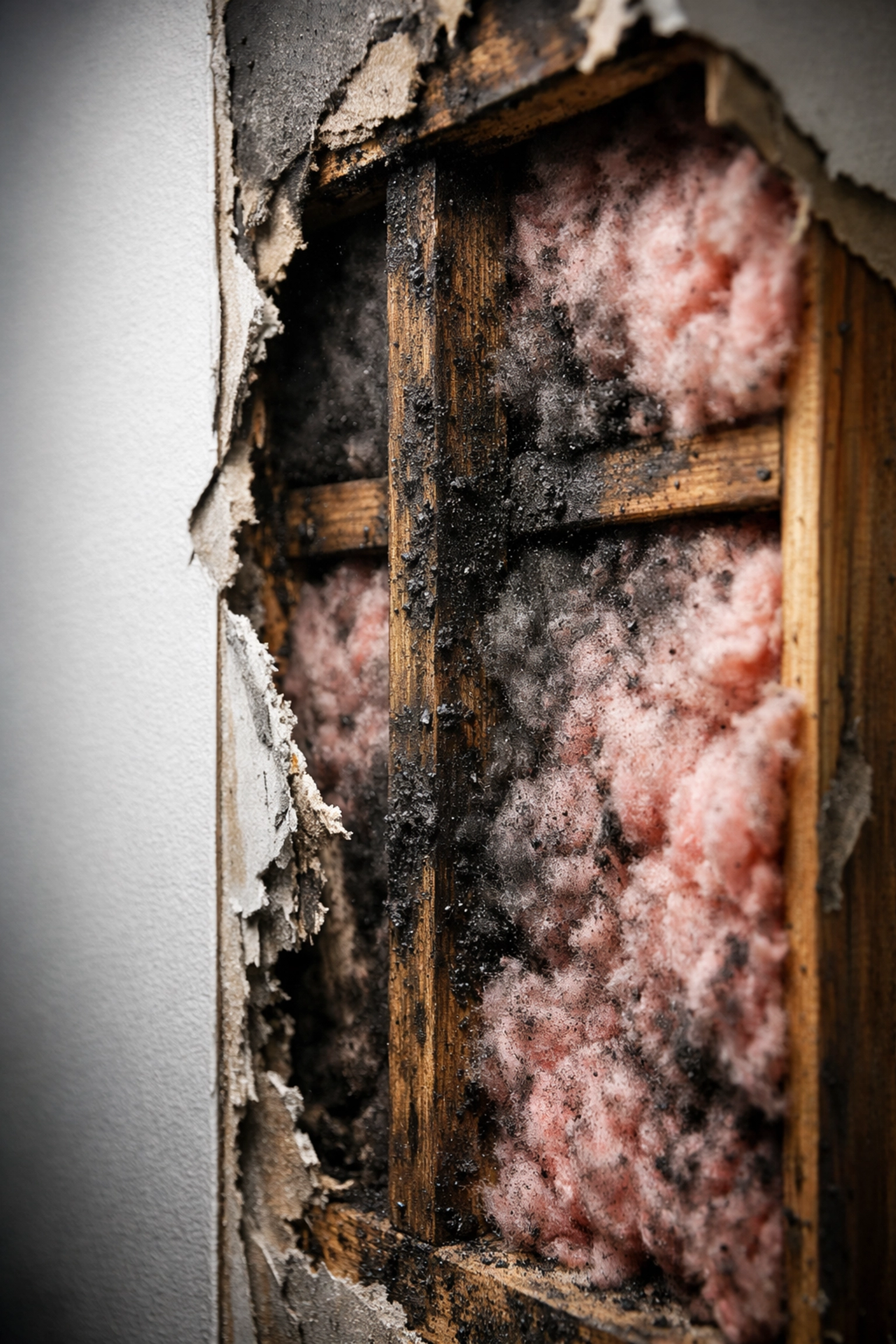
Smoke particles are tiny and oily, which means they don't just settle on your furniture and call it a day. They travel through your entire home, into air ducts, behind baseboards, and deep into the porous materials that make up your walls. We're talking drywall, insulation, wood framing, all the stuff you can't see until you start tearing things apart.
Think about it like this: if you've ever been around a campfire, you know how that smoke smell clings to your clothes even hours later. Now imagine that same clinging power, but on a massive scale, embedding itself into every nook and cranny of your home's structure.
Here's the thing about fires: they create heat and pressure that forces smoke into places it has no business being. That pressure pushes microscopic smoke particles through the tiniest cracks and gaps in your walls. Once they're in there, they settle into insulation, coat the back sides of your drywall, and seep into wooden studs.
In Bucks County homes: especially older properties in places like Doylestown, Newtown, or Levittown: this problem can be even worse. Many of these homes have textured finishes, crown molding, or popcorn ceilings that trap smoke particles like a sponge. You can scrub the visible surfaces all day long, but those hidden particles? They're still there, doing damage you can't see.
The real kicker is that water from firefighting efforts can actually make things worse. When firefighters spray water to put out flames, that moisture mixes with smoke residue and gets driven even deeper into your walls. Now you've got a toxic cocktail of smoke, soot, and water saturation trapped inside your home's structure.
Let's talk about what you're actually breathing when smoke damage is hiding in your walls.
Smoke isn't just burnt wood and paper. Depending on what burned in your home, smoke can contain chemicals from plastics, synthetic materials, electronics, and household products. When these particles get trapped in your walls, they don't just disappear. They continue to off-gas for months: or even years: releasing toxic compounds into your indoor air.
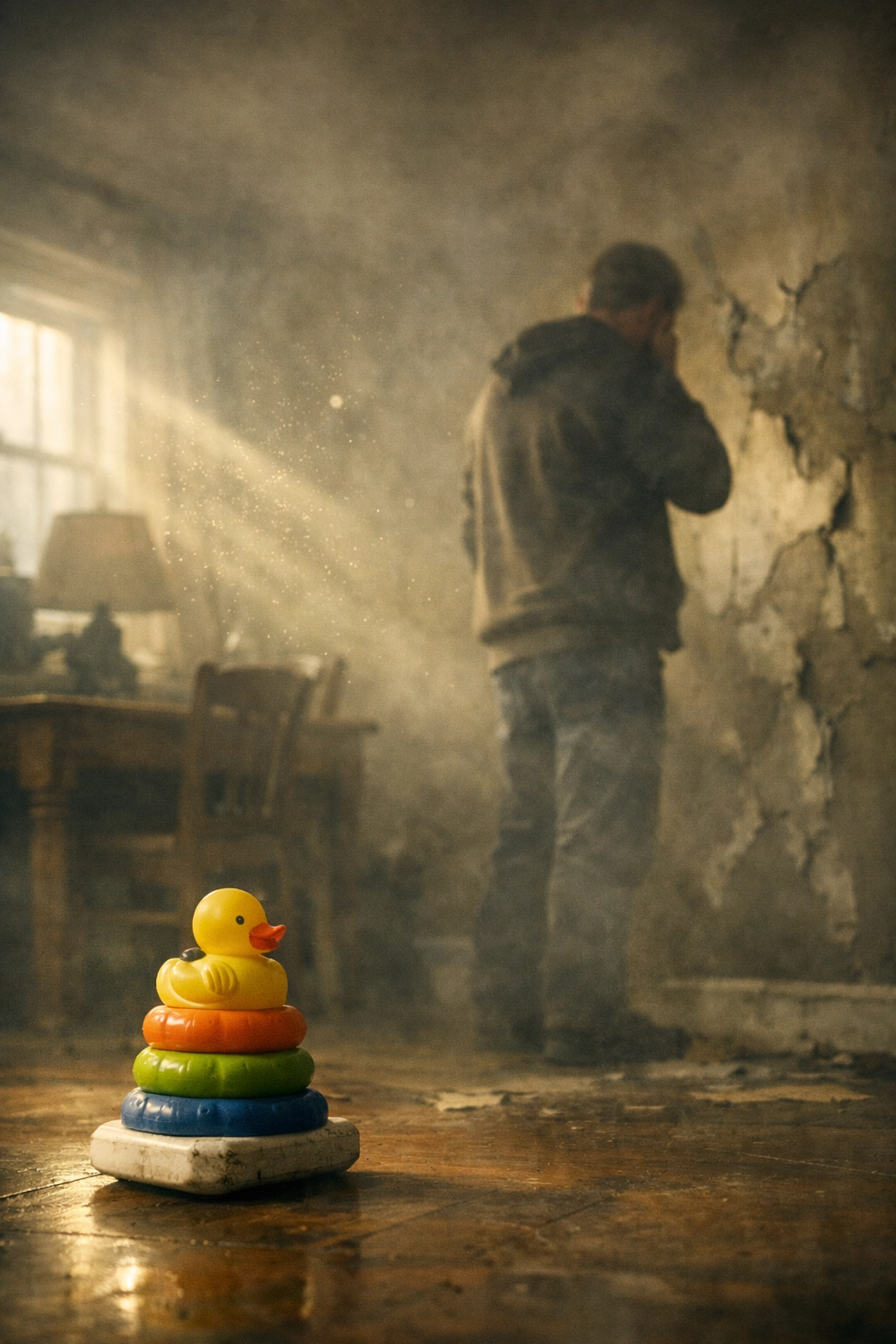
For families in Bucks County, this is a serious concern, especially if you have kids, elderly relatives, or anyone with respiratory issues. You might think the danger passed when the fire went out, but those hidden smoke particles can cause:
And here's the frustrating part: you might clean every visible surface in your home, replace furniture, and scrub until your hands are raw: but if the smoke damage inside your walls isn't addressed, your indoor air quality will never fully recover.
Beyond the health risks, smoke damage creates serious structural problems that only get worse over time.
Smoke residue is acidic. That means it literally eats away at materials in your home. Metal components: like electrical wiring, copper pipes, and HVAC components: start to corrode. This isn't a "maybe someday" problem. This is a "could cause an electrical fire next month" problem.
In Bucks County homes, where many properties have older electrical systems to begin with, this added corrosion from smoke damage can be downright dangerous. Imagine finding out years later that the small kitchen fire you had back in 2026 has been slowly destroying the wiring inside your walls, creating a hidden fire hazard all along.
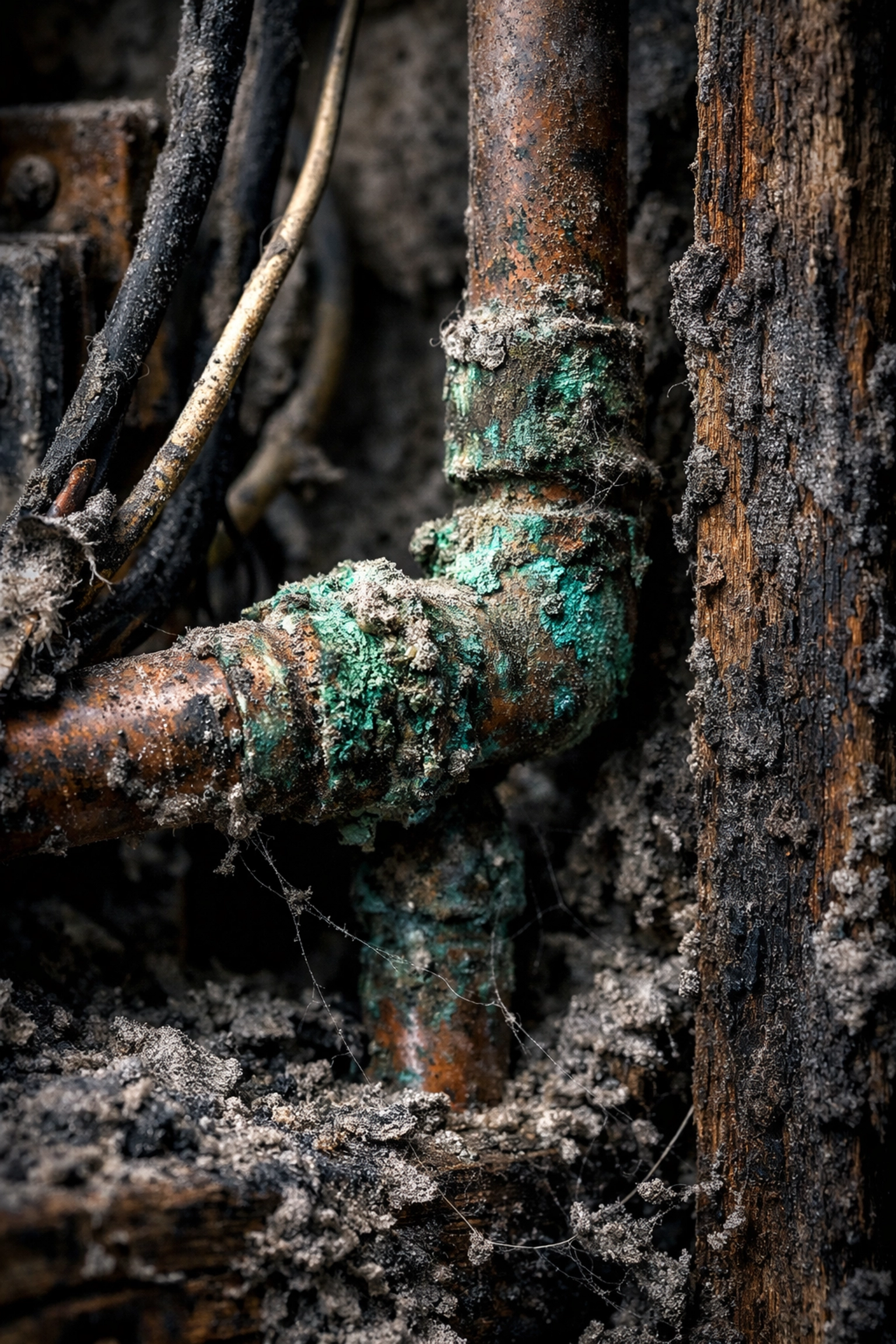
Smoke also weakens the structural materials themselves. Wooden studs become brittle. Drywall deteriorates from the inside out. You might not see it happening, but the integrity of your walls is quietly compromising itself.
And let's not forget about soot buildup in places like electrical boxes and air ducts. Soot is flammable. When it accumulates in hidden spaces, you're essentially creating tinder for a future fire: inside your walls where you can't even see it.
Remember that water we mentioned earlier: the stuff firefighters use to put out the blaze? When that moisture gets trapped inside walls alongside smoke damage, you've created the perfect environment for mold growth.
Mold loves dark, damp spaces. Your wall cavities check both boxes. Add in the organic materials found in drywall and insulation, and you've basically rolled out the welcome mat for mold colonies.
The problem with mold growth behind walls is that you often don't know it's there until it's everywhere. By the time you see visible signs: water stains, a musty smell, or actual mold growth breaking through: you're looking at a major remediation project.
For Bucks County homeowners, this combination of smoke damage and hidden moisture can turn a manageable situation into a full-blown disaster if it's not addressed quickly by professionals who know what to look for.
Some homeowners figure they'll see how things go after a fire. Maybe the smell will fade on its own. Maybe that discolored patch on the ceiling isn't a big deal.
Here's the reality: if you wait even a few weeks, smoke damage that could have been cleaned becomes smoke damage that requires replacement.
Those acidic smoke particles we talked about? They don't take a break. Every day they're in your walls, they're corroding, staining, and weakening materials. What starts as surface-level damage becomes embedded damage that no amount of cleaning can fix.
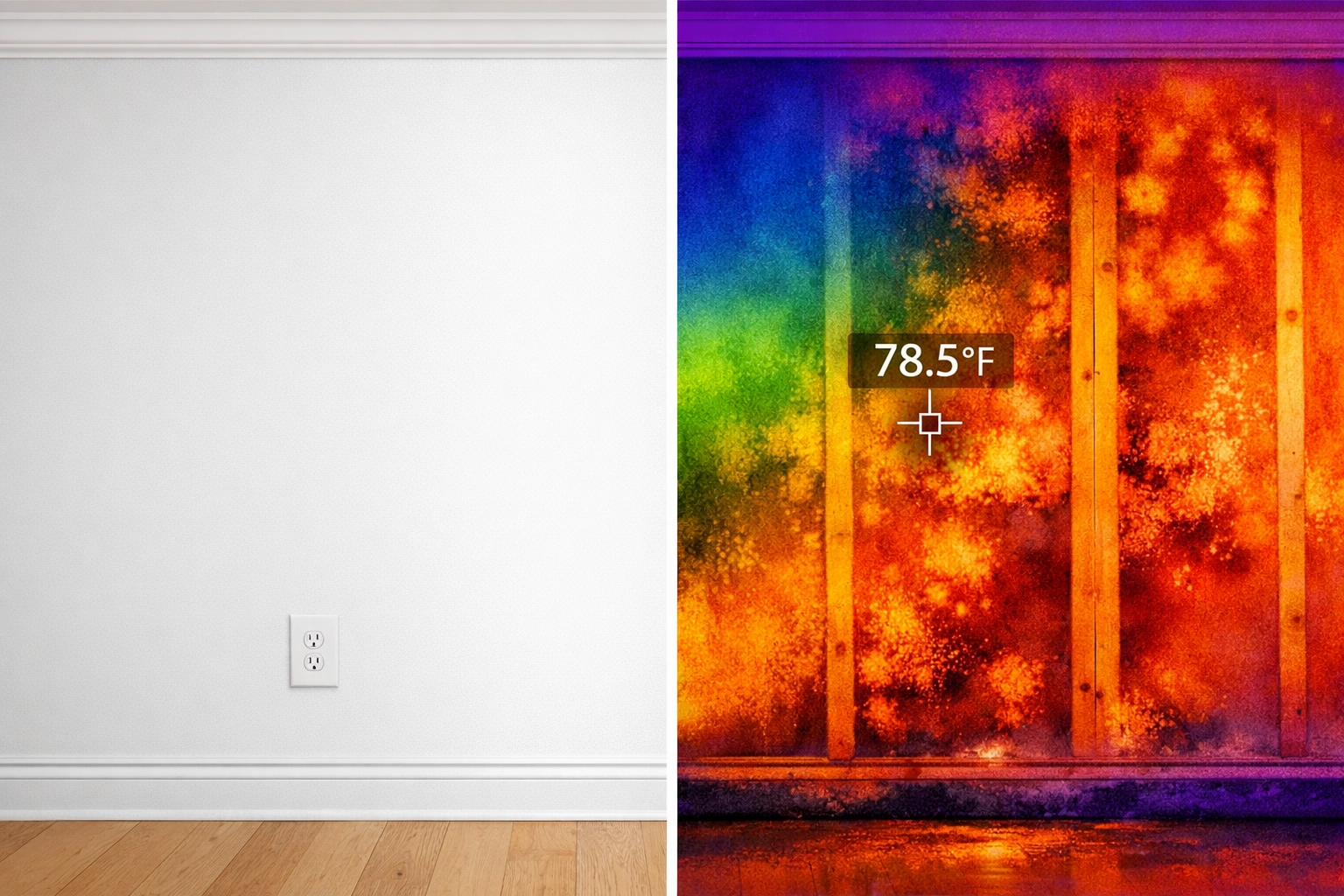
Professional smoke damage repair in Bucks County means acting fast: not next month, not when you "get around to it," but as soon as possible after the fire is out.
Real smoke damage repair goes way beyond wiping down walls and running an air purifier.
Professional restoration teams use thermal imaging cameras to identify hidden damage behind walls and in ceiling spaces. These tools can detect heat signatures and moisture that indicate where smoke has penetrated: even if there's no visible evidence on the surface.
The process typically involves:
It's not a quick fix, and it's definitely not a DIY project. The goal isn't just to make your home look clean: it's to make it actually safe and healthy again.
At My Water Damage Hero, we've seen firsthand what happens when smoke damage isn't properly addressed. We've also seen the relief on homeowners' faces when we show them: using real data and imaging technology: exactly what's hiding in their walls and exactly how we're going to fix it.
Our team serves Bucks County communities with straightforward, no-nonsense smoke damage repair that addresses both the visible damage and the hidden dangers. We don't just clean what you can see: we find what you can't see and make sure it's dealt with properly.
Whether you're dealing with damage from a small kitchen fire or a major blaze, getting a professional assessment is the only way to know for sure what's lurking inside your walls. And the sooner you know, the sooner you can breathe easy again, literally.
Don't let hidden smoke damage turn into a long-term health hazard or structural disaster. If you've had a fire in your Bucks County home, contact My Water Damage Hero today for a thorough assessment. Your walls might be hiding dangers you can't see, but we can: and we know exactly how to fix them.
Contact us for quick, trusted restoration.
See how we’ve turned tough situations into success stories.

