
Water damage is one of those things you never expect to deal with: until you're standing in your kitchen at 2 AM watching water pour from your ceiling. Whether it's a burst pipe, a leaky roof, or a flooded basement, how you respond in those first few hours makes all the difference.
The problem? Most homeowners make the same mistakes when dealing with water damage restoration. These slip-ups can turn a manageable situation into a nightmare of mold growth, structural damage, and sky-high repair bills.
Let's talk about the seven most common mistakes people make: and more importantly, how to avoid them.
Here's the thing about water damage: it doesn't sit still. Every minute you wait, water is spreading deeper into your walls, floors, and furniture. It's soaking into places you can't even see.
The scary part? Mold can start growing within 24 to 48 hours. That's basically one bad day of procrastination.
How to Fix It:
The second you spot water damage, start the clock. Don't wait until tomorrow or "after the weekend" to deal with it. Get the water removal process started immediately. If you're dealing with anything more than a tiny spill, call in the professionals right away. The faster you act, the less damage you'll have to repair.
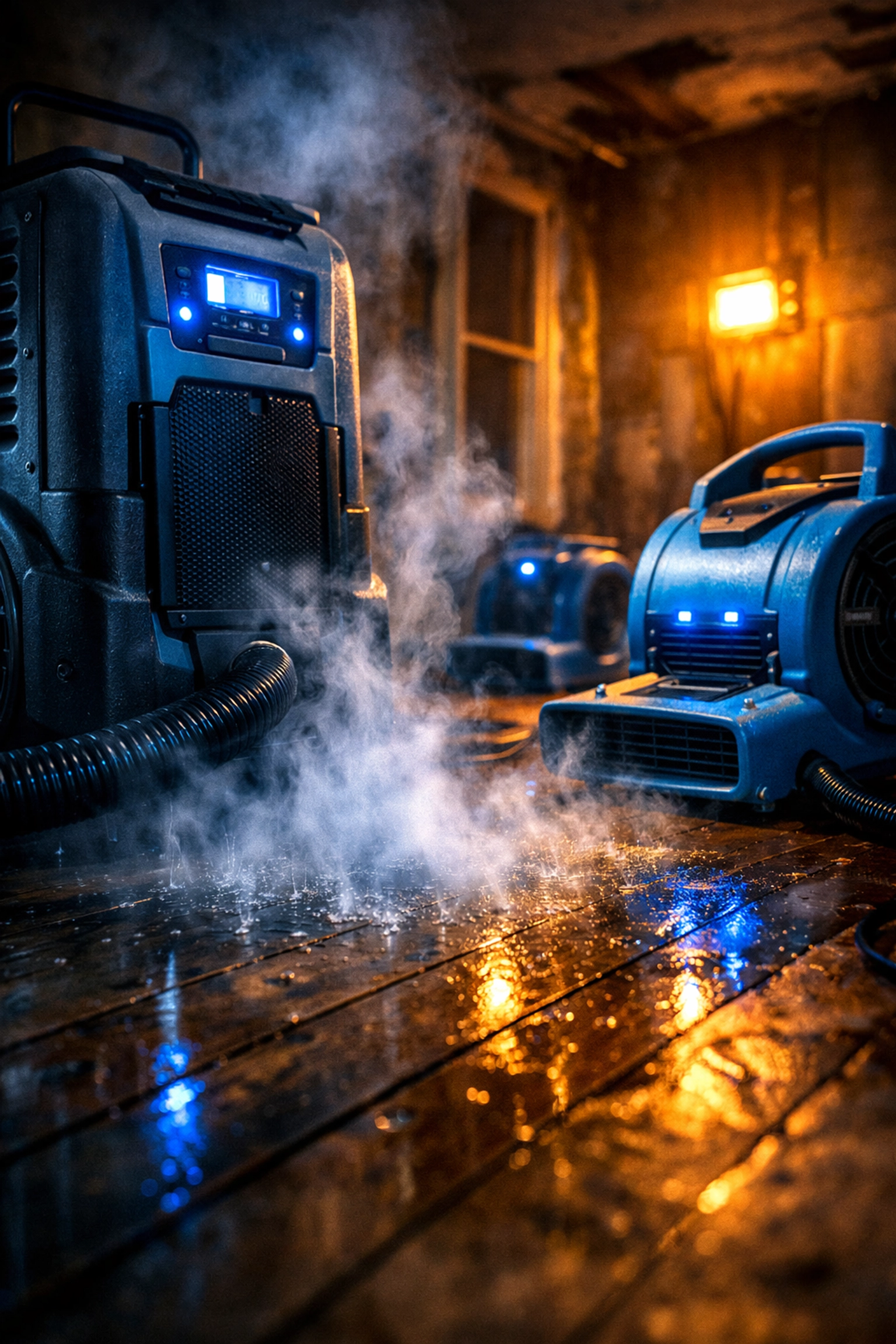
We've all been there. Water on the floor, so you grab every towel in the house and set up your household fans like you're preparing for a rock concert. It feels productive, but here's the reality: regular fans and towels can't handle serious water damage.
The problem is that water doesn't just sit on the surface. It seeps deep into drywall, under flooring, and into insulation. Your box fan might dry the top layer, but all that hidden moisture? Still there. And that's where the real trouble starts.
How to Fix It:
Professional water damage restoration uses industrial-grade dehumidifiers and air movers that are specifically designed to pull moisture out of building materials. These aren't the machines you can rent from your local hardware store: they're commercial equipment that gets the job done right. Professionals know exactly where to place them and how long to run them to ensure complete drying.
This is the sneaky one. You dry up the visible water, throw away the damaged carpet, and call it a day. Everything looks fine on the surface.
Meanwhile, water is sitting behind your walls, under your floorboards, and inside your insulation. You won't see the damage until weeks or months later when you notice that weird smell, the warped baseboards, or worse: mold spreading across your ceiling.
How to Fix It:
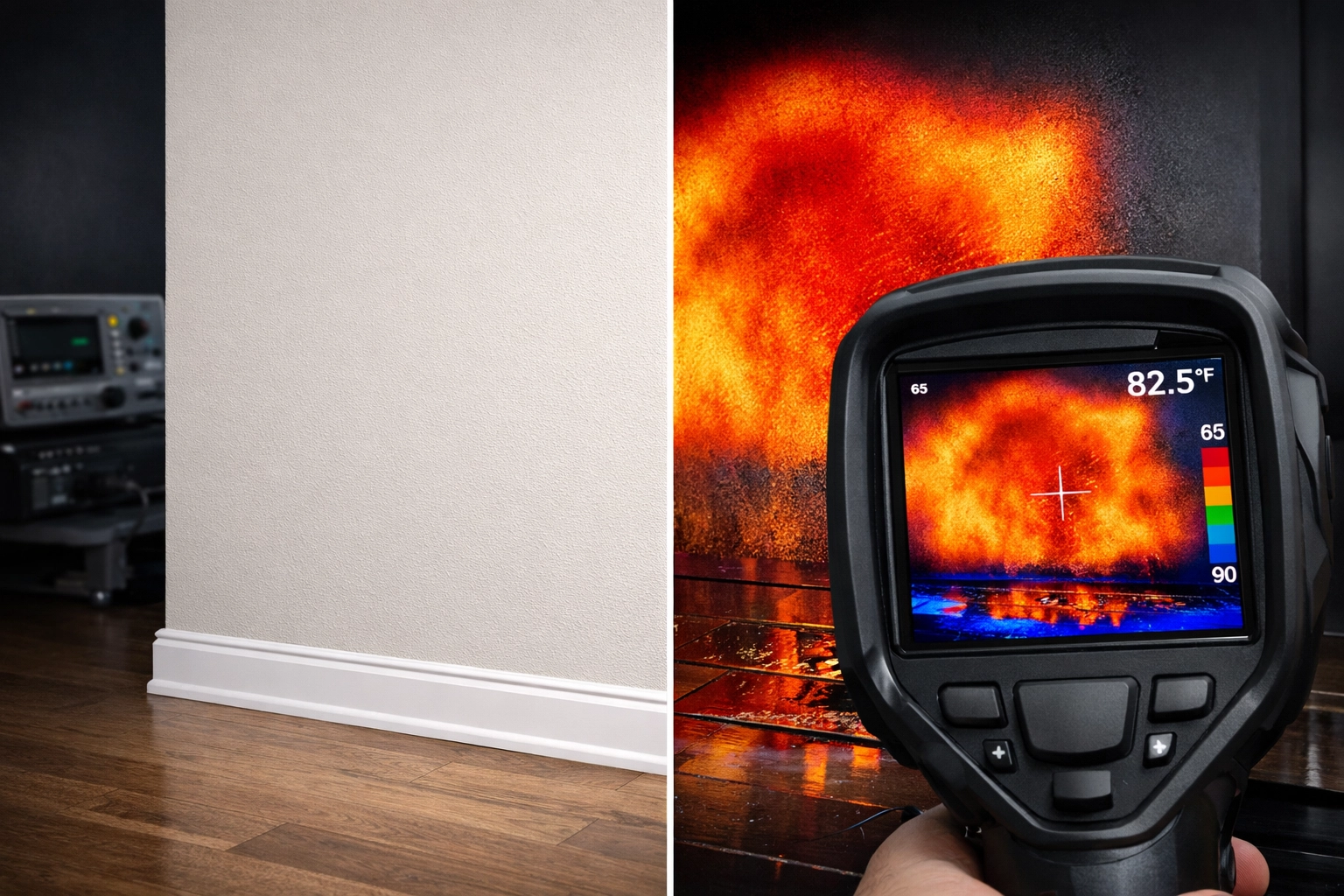
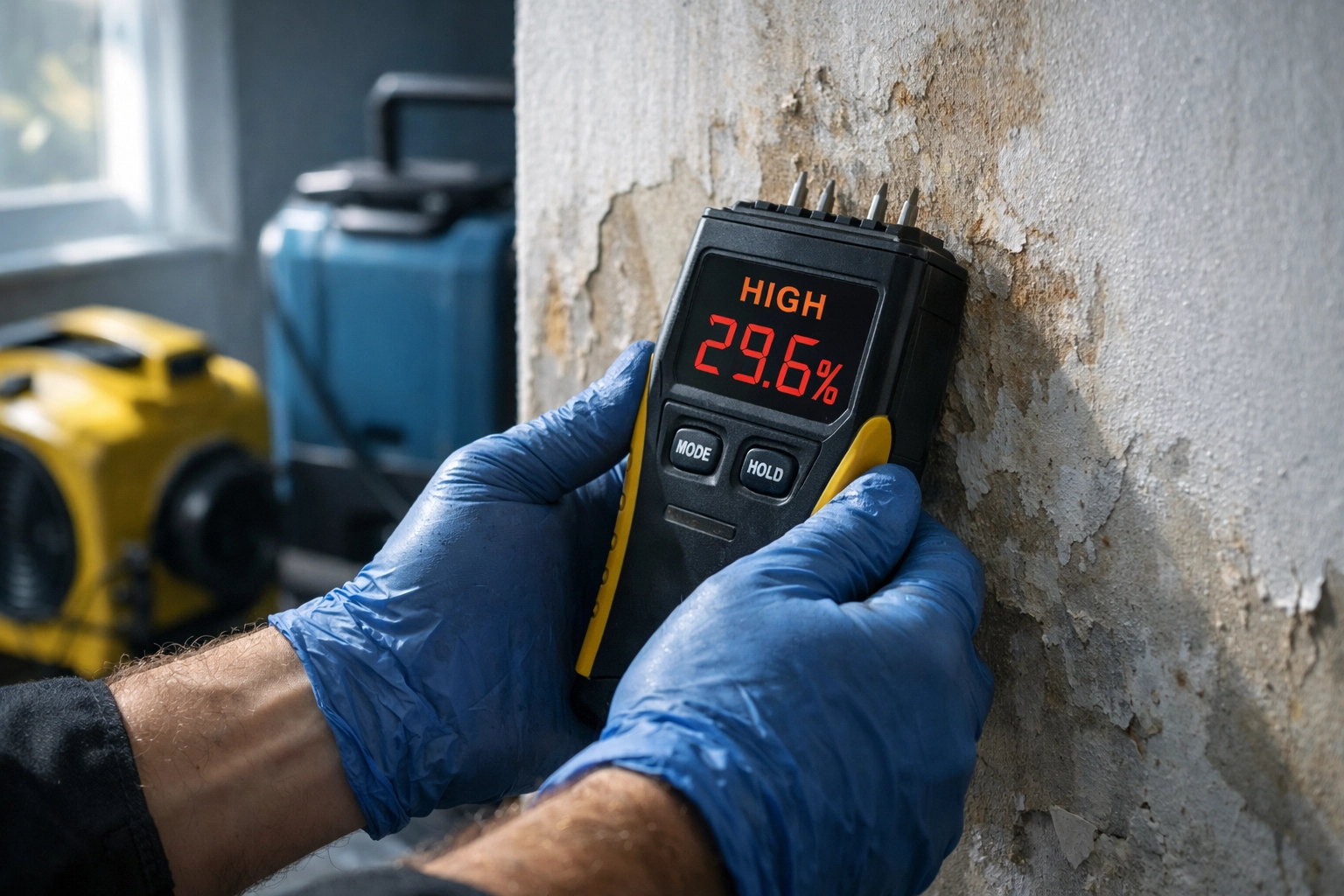
This is where professional tools become essential. Moisture meters and infrared cameras can detect water in places you'd never think to check. If you're in an older home, this is especially critical because water can hide in all sorts of nooks and crannies created by outdated construction methods.
Don't just trust your eyes. Get a comprehensive inspection that checks everywhere water could be lurking.
Let's say you clean up water from a ceiling leak. You dry everything out, replace the damaged drywall, and paint over it. Problem solved, right?
Not if you haven't fixed the actual leak. A month later, you're dealing with the same water damage all over again: except now it's worse because the underlying problem has been festering.
How to Fix It:
Before you even start the restoration process, identify where the water is coming from. Is it a leaky roof? A burst pipe? A faulty appliance? A crack in your foundation? You need to fix the source first, or you're just setting yourself up for round two.
Sometimes this means bringing in a plumber, roofer, or contractor to address the root cause. It might cost more upfront, but it's way cheaper than paying for water damage restoration twice.
Here's what a lot of people don't realize: water damage isn't just about drying things out. Depending on the source of the water, you could be dealing with bacteria, sewage, chemicals, or other nasty contaminants.
Even if the water looks clean, it can carry microorganisms that create health hazards. And if you don't properly clean and sanitize affected areas, you're left with lingering odors and potential health risks.
How to Fix It:
After water removal and drying, every affected surface needs to be thoroughly cleaned and disinfected. This isn't a job for a bottle of spray cleaner and a paper towel. Professional restoration services use hospital-grade disinfectants and air purification systems to eliminate contaminants and odors completely.
Your home shouldn't just look dry: it should be safe and healthy to live in.
Look, we get it. You're capable. You've tackled home projects before. Maybe you even watched a few YouTube videos on water damage restoration. How hard can it be?
The truth is, DIY water damage restoration usually ends with incomplete drying, missed damage spots, and problems that don't show up until months later. By that point, you're looking at mold remediation, structural repairs, and costs that far exceed what professional restoration would have cost in the first place.
How to Fix It:
Professional restoration companies have the training, equipment, and experience to handle water damage properly. They know how to assess the full scope of damage, create a comprehensive restoration plan, and execute it correctly.
Think of it this way: you wouldn't perform surgery on yourself just because you have access to medical information online. Water damage restoration is similar: it requires expertise and specialized tools to do it right.
If you're dealing with anything beyond a minor surface spill, bringing in the pros is the smart move. At My Water Damage Hero, we handle everything from initial assessment to final cleanup, so you don't have to worry about missing critical steps.
You might think that blasting your water-damaged items with heat and pointing fans directly at them is the fastest way to dry them out. Actually, that approach can do more harm than good.
Drying things too quickly: especially with excessive heat: can warp wood, crack materials, and actually speed up mold growth instead of preventing it. Different materials require different drying techniques, and getting it wrong can ruin items that could have been saved.
How to Fix It:
Professional restoration teams understand the proper temperature and airflow patterns needed for different materials. They know when to use heat, when to avoid it, and how to position equipment for maximum effectiveness without causing additional damage.
They also conduct post-restoration moisture testing to verify that everything is completely dry. This isn't guesswork: it's verified with meters and monitoring to ensure the job is done right.

Water damage restoration isn't something you want to wing. The mistakes we've covered here aren't just inconvenient: they can lead to serious structural damage, health hazards from mold growth, and repair costs that spiral out of control.
The key takeaways? Act fast, use the right equipment, check for hidden damage, fix the source of the problem, sanitize properly, don't go solo on major damage, and dry things correctly.
When water damage strikes, you need a team that knows what they're doing. Professional water damage restoration might seem like an expense in the moment, but it's actually an investment in protecting your home, your health, and your wallet in the long run.
Don't let a fixable problem turn into a disaster. If you're dealing with water damage, reach out to professionals who can get your home back to normal: the right way, the first time.
Contact us for quick, trusted restoration.
See how we’ve turned tough situations into success stories.

