
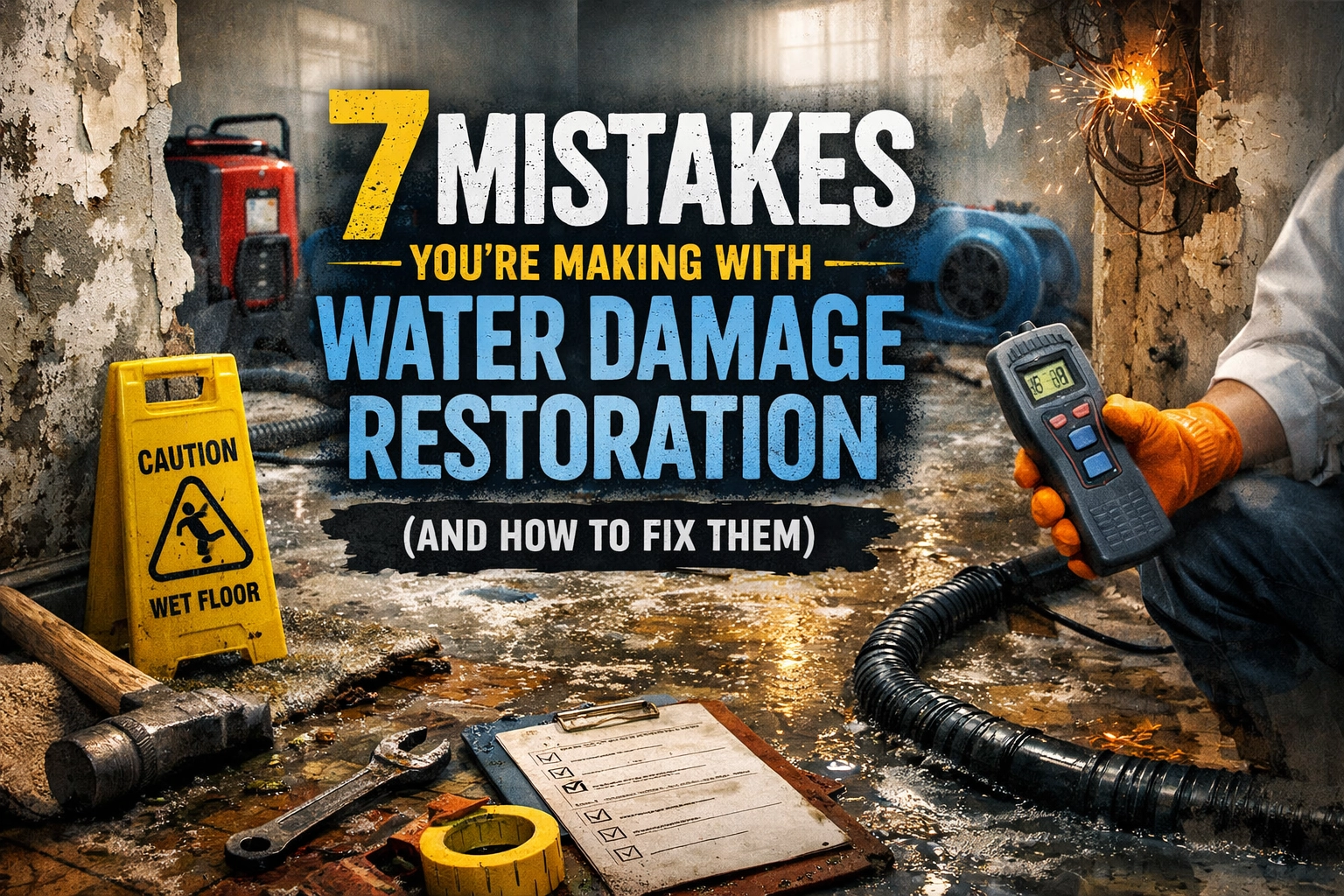
Water damage is one of those things that can go from "small problem" to "major disaster" faster than you can say "call a plumber." Whether it's a burst pipe, a leaky roof, or your washing machine having a meltdown, how you handle the aftermath makes all the difference.
The thing is, most homeowners make the same mistakes when dealing with water damage restoration. And honestly? It's totally understandable. You're stressed, you want to fix things quickly, and you're probably Googling solutions at 2 AM in a panic.
Let's walk through the biggest mistakes people make, and more importantly, how to avoid them so you don't end up with an even bigger mess (or bill) down the road.
Here's the deal: time is not your friend when it comes to water damage. A lot of homeowners think they can wait until Monday to call someone, or they want to "see how bad it really is" before taking action.
Bad idea.
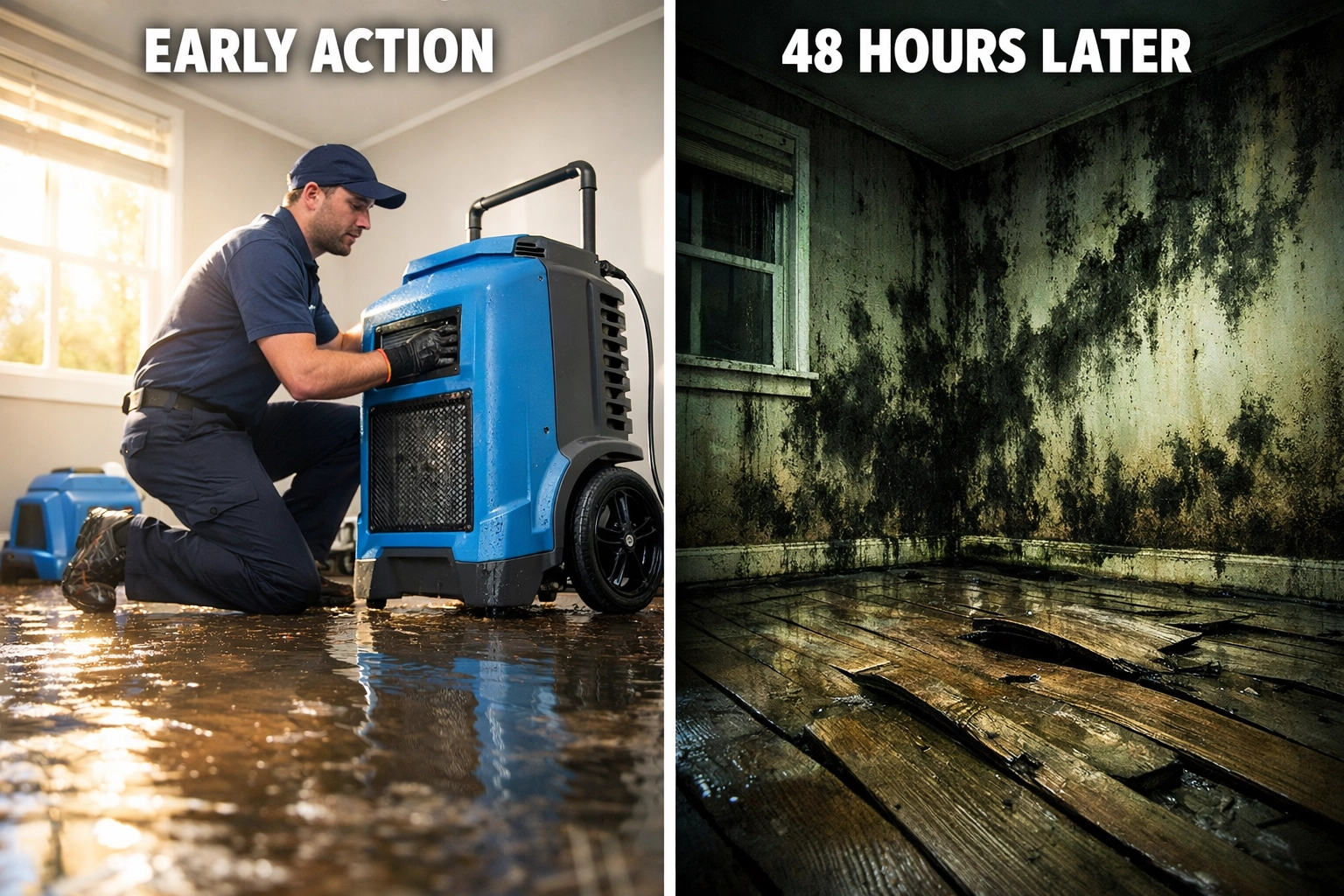
Water spreads fast. It seeps into walls, floors, and furniture. And here's the kicker, mold can start growing within 24 to 48 hours. Once mold gets comfortable in your home, you're dealing with a whole new problem that's way more expensive to fix.
The Fix: Act immediately. Like, right now. Call a professional water damage restoration company as soon as you notice the problem. The faster you start the drying and cleanup process, the less damage you'll have to deal with later.
We get it. Your first instinct when you see water on the floor is to throw down every towel in the house and aim a fan at it. It feels productive, right?
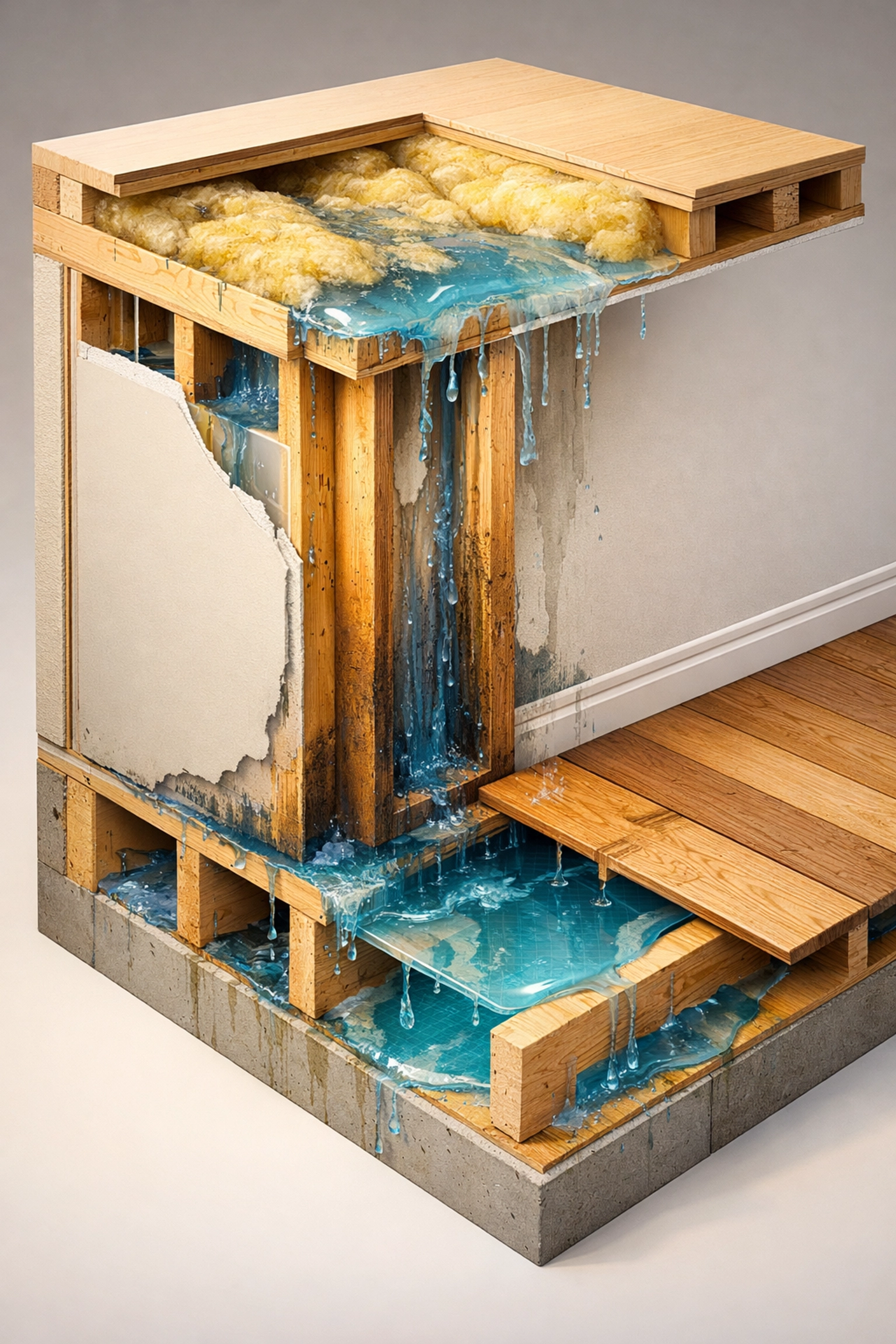
The problem is that household fans and towels barely scratch the surface. Water doesn't just sit on top of your floor, it soaks into subflooring, drywall, insulation, and anywhere else it can find. Your box fan isn't going to cut it.
The Fix: You need industrial-grade equipment. Professional restoration companies use powerful dehumidifiers and air movers that can actually pull moisture out of hidden spaces. They also have extraction tools that remove standing water way more effectively than your Shop-Vac ever could.
Think of it this way: you wouldn't use a butter knife to do surgery, right? Same logic applies here.
Here's what's scary about water damage: the worst stuff is usually hiding. You might see a wet carpet and think "okay, I'll dry this and we're good." Meanwhile, water is creeping behind your walls, under your flooring, and into places you'd never think to check.
This hidden moisture creates the perfect breeding ground for mold and can literally rot the structure of your home from the inside out. By the time you notice the damage, it's already done serious harm.
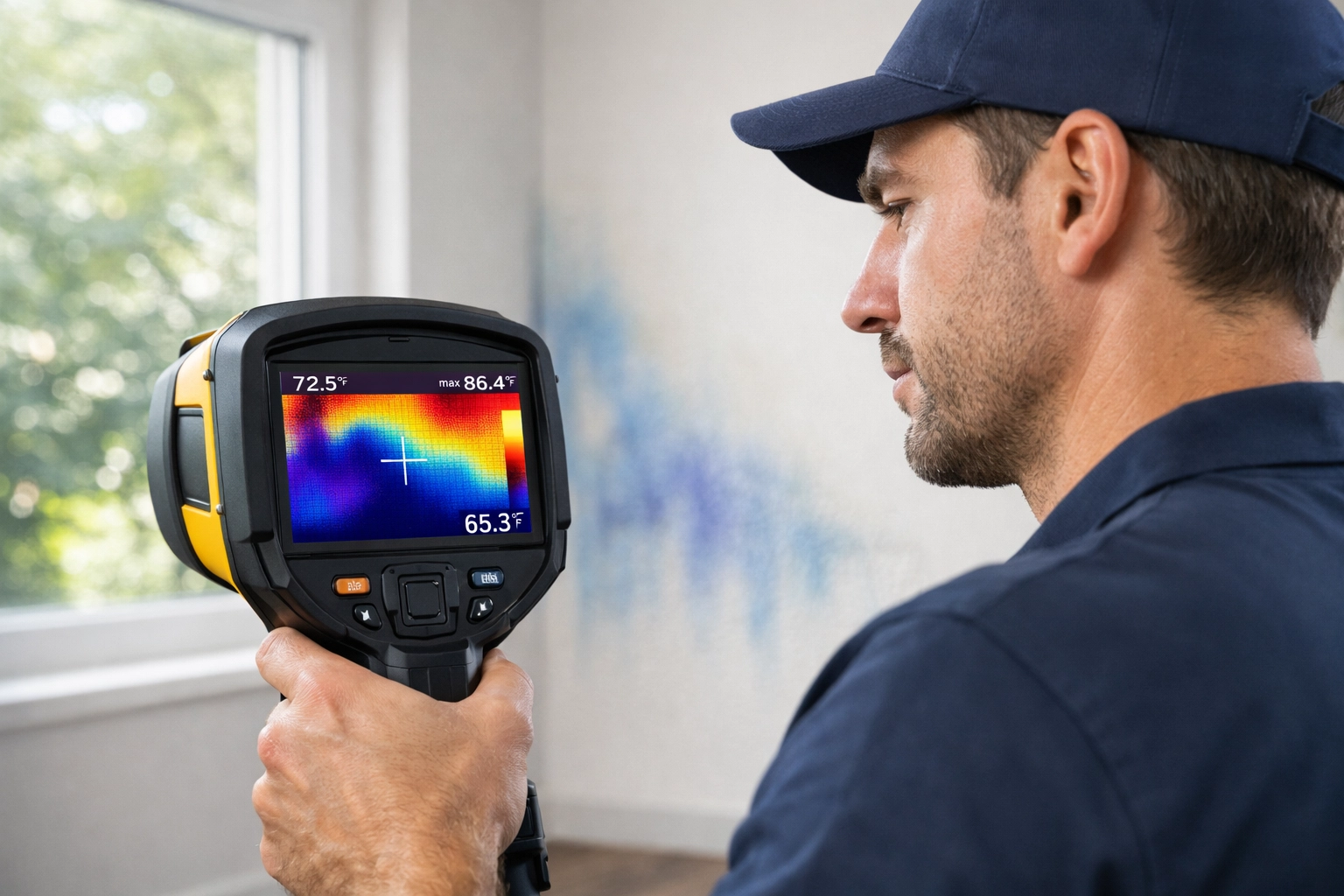
The Fix: Get a professional inspection. Pros use moisture meters and infrared cameras to detect water in places you can't see. They'll check inside walls, under floors, and in crawl spaces to make sure nothing is lurking where it shouldn't be.
This step is especially important if you live in an older home where water can travel through quirky pathways you didn't even know existed.
So you've dried everything out. Great! Job done, right?
Not quite.
Even if the area looks dry, water leaves behind contaminants, bacteria, and odors. Floodwater is especially nasty, it can contain sewage, chemicals, and all sorts of things you don't want hanging around your home. Even "clean" water from a burst pipe can pick up dirt and microbes as it spreads.
The Fix: Deep cleaning and sanitization are non-negotiable. After the area is dry, everything needs to be properly disinfected. Professional restoration services will sanitize affected surfaces, treat the air to remove odors, and make sure your space is actually safe and healthy, not just dry.
Skipping this step might not seem like a big deal now, but nobody wants mystery smells or health issues popping up months later.
Look, we love a good DIY project as much as anyone. But water damage restoration isn't the time to channel your inner home improvement guru.
Trying to handle significant water damage yourself often leads to incomplete drying, missed problem areas, and bigger issues like mold remediation needs or structural damage. What seems like a money-saving move upfront can end up costing you way more down the line.
The Fix: Bring in the professionals, especially if:
Trained restoration techs know how to assess the full scope of damage, identify potential risks, and have the right equipment to do the job properly. It's worth the investment to avoid repeat problems.
Here's a scenario: You clean up the water damage from a leak, replace the damaged drywall, repaint, and call it a day. Three months later, you've got water damage in the same spot again.
Sound familiar?
Many homeowners focus all their energy on cleaning up the mess without ever addressing why the water got there in the first place. Whether it's a leaky roof, faulty plumbing, or a broken appliance, if you don't fix the source, you're just setting yourself up for round two.
The Fix: Find and repair the root cause. Work with a contractor or plumber to identify where the water is actually coming from and get it fixed properly. Yes, it might cost more upfront, but it's way better than paying for water damage restoration over and over again.
Think of it as preventative maintenance: you're protecting your home (and your wallet) from future disasters.
Not all drying methods are created equal. Some homeowners crank up the heat thinking it'll dry things faster, or they point fans directly at wet furniture and call it good.
Here's the problem: excessive heat can actually make mold grow faster, not slower. And drying things too quickly can cause wood to warp and crack. Plus, just blowing air around without proper moisture extraction doesn't actually solve the problem: it just moves the dampness around.
The Fix: Use controlled, professional drying techniques. Proper water damage restoration involves:
Professionals monitor moisture levels throughout the process to make sure everything is actually drying correctly, not just appearing to be dry on the surface.
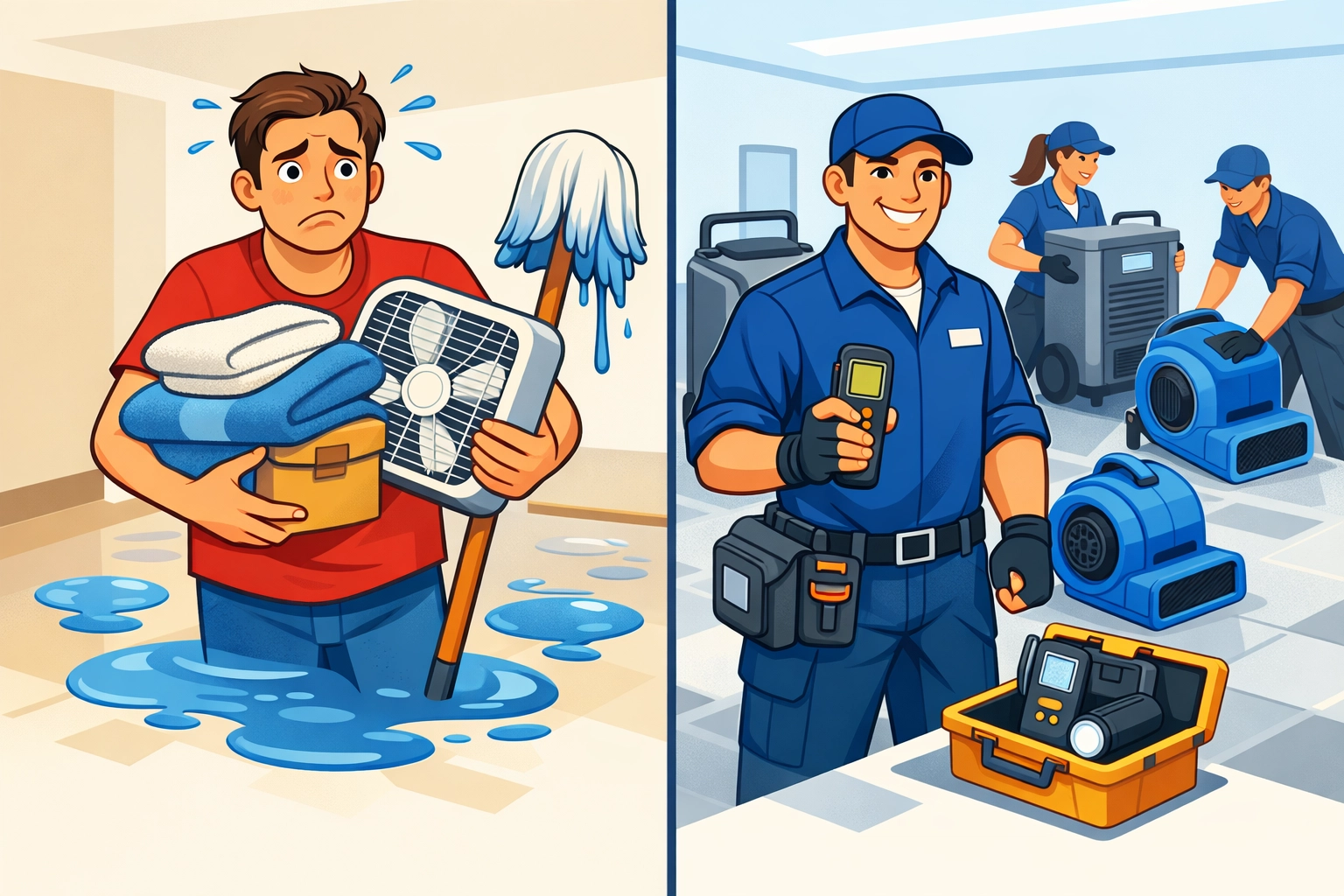
Water damage is stressful enough without making mistakes that create even bigger problems. The key takeaway? Speed and professionalism matter.
Acting fast, using the right equipment, checking for hidden damage, properly sanitizing, fixing the source, and using correct drying methods: these aren't just suggestions. They're the difference between a minor inconvenience and a major renovation project.
If you're dealing with water damage right now, don't panic. But also don't wait. Reach out to restoration professionals who can assess the situation properly and get your home back to normal: safely and completely.
Your future self (and your home) will thank you.
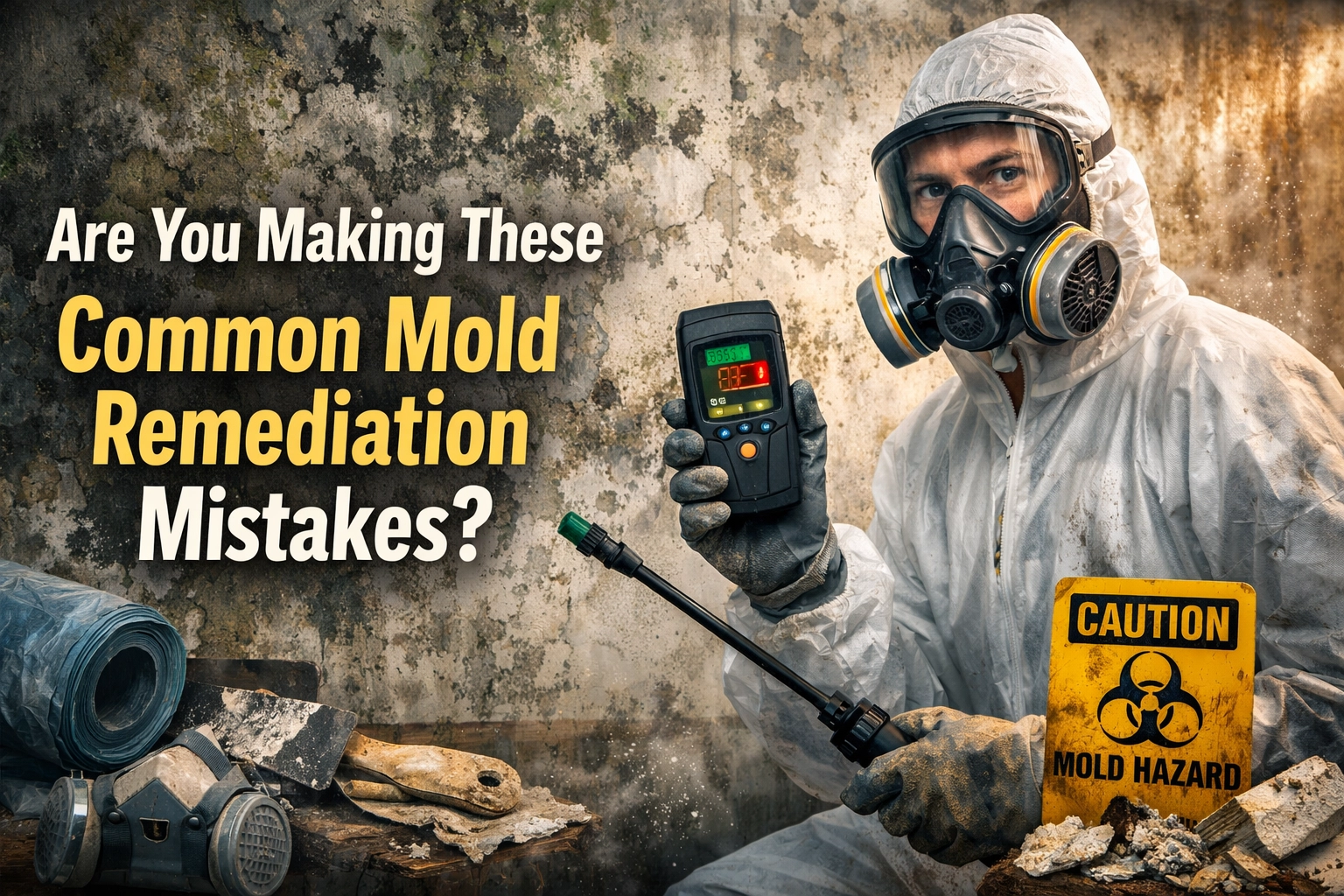
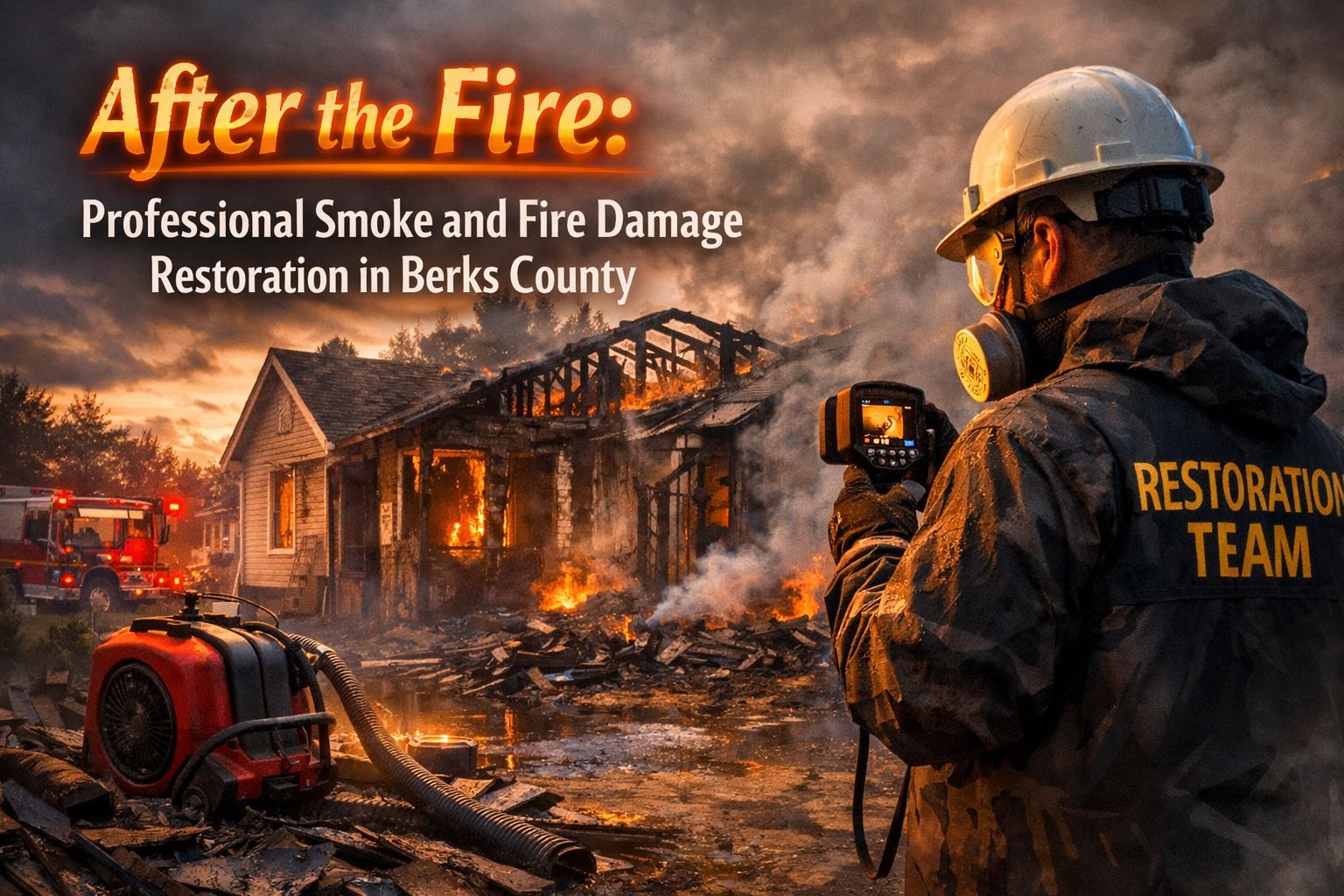
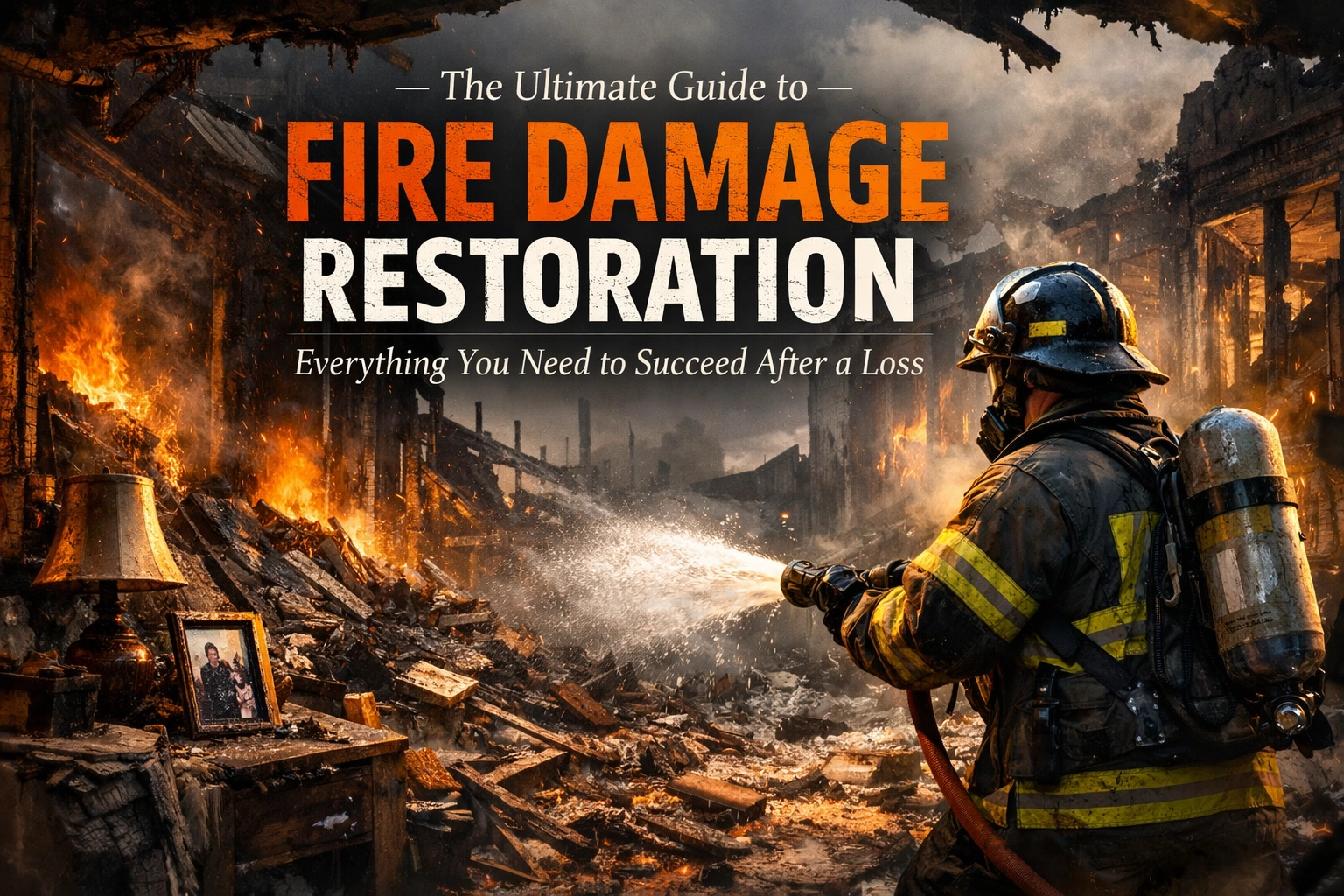
Contact us for quick, trusted restoration.
See how we’ve turned tough situations into success stories.

