
Look, nobody wakes up planning to deal with water damage. But if you're reading this from Delaware, Bucks County, Chester County, or anywhere else dealing with a wet mess right now, you're probably making at least one of these mistakes. And honestly? That's totally normal. Most homeowners in Pennsylvania and Delaware don't know the ins and outs of water damage restoration until it's too late.
Here's the thing: water damage isn't just about mopping up. It's about preventing mold growth, protecting your home's structure, and avoiding a $20,000 surprise bill six months from now. So let's talk about the seven biggest mistakes people make with emergency water removal and water damage mitigation, and how to actually fix them.
You know that moment when you see water and think, "I'll just grab some towels and deal with it tomorrow"? Yeah, that's mistake number one.
Water damage in Bucks County homes (or anywhere, really) gets exponentially worse with every hour you wait. We're talking 24-48 hours before mold starts growing. Your drywall is soaking it up like a sponge. Your hardwood floors are warping. And if you've got water in your basement? That's basically a countdown timer to structural damage.
The Fix: Call professional water damage restoration services immediately. Not tomorrow. Not after you "see how bad it gets." Right now. Companies offering 24/7 flood response exist for a reason: water doesn't wait for business hours, and neither should you.
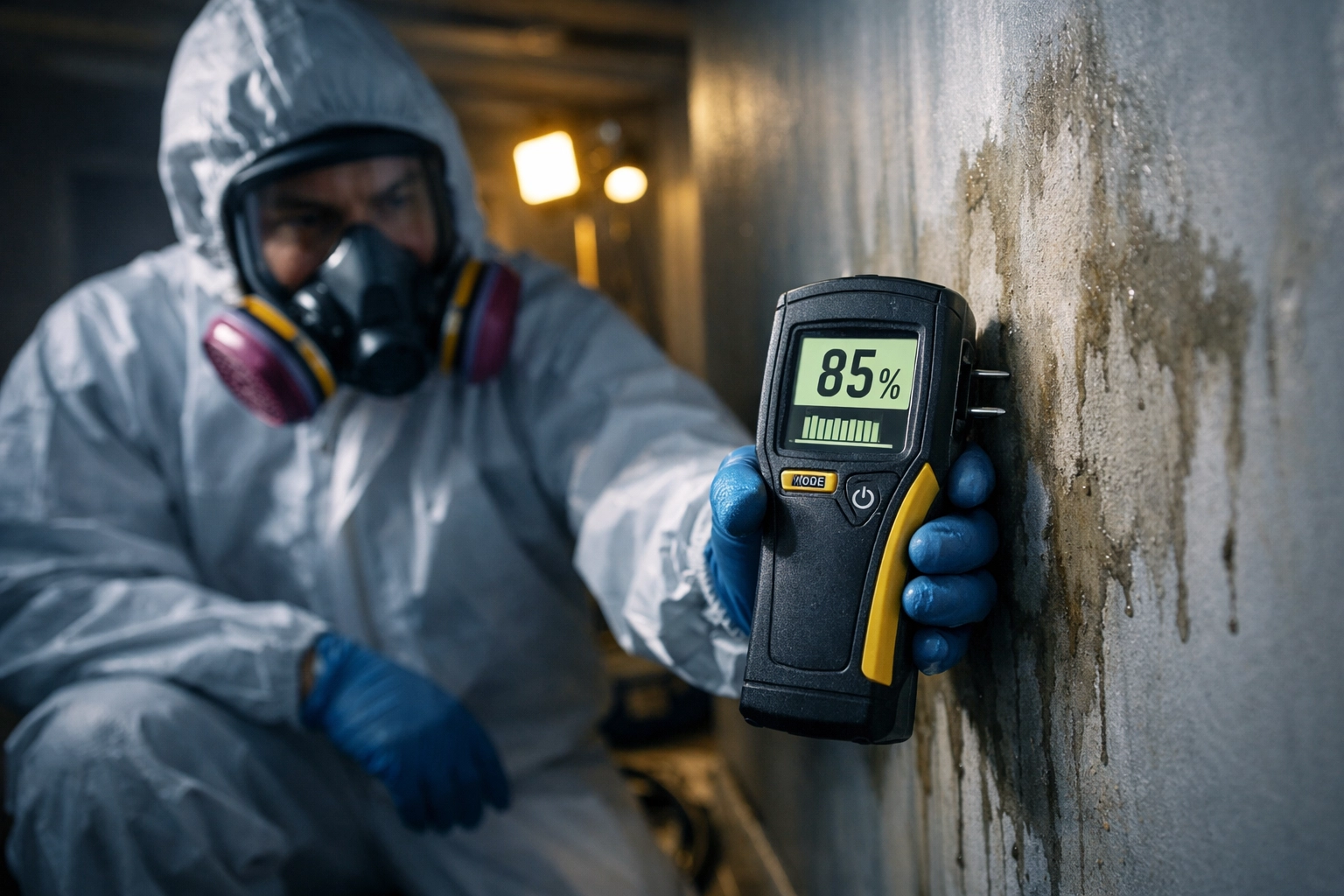
Look, I love a good DIY project. But water damage cleanup isn't one of them. That wet vac from your garage? It's not pulling moisture out of your subfloor. Those box fans? They're just moving air around while water sits trapped in your walls.
Homeowners in Montgomery County and Chester County try this all the time, and three months later, they're calling us about black mold remediation because surprise: there was still moisture hiding where they couldn't see it.
The Fix: Professional water drying uses industrial dehumidifiers, moisture meters, and infrared cameras to find water you can't see. If you want actual water extraction services that work, you need the right equipment. Period.
Here's what most people don't realize: the water you can see is only part of the problem. Water travels. It seeps behind baseboards, under flooring, into wall cavities, and basically anywhere it can find a crack.
We've done basement water removal jobs in Delaware where the visible puddle was two feet across, but the actual water damage extended 15 feet in every direction behind the walls. You wouldn't know unless you had the right tools to check.
The Fix: Comprehensive moisture detection is non-negotiable. Professionals use moisture meters to measure what's happening inside your walls and floors. If you're dealing with ceiling water damage repair or suspect leaking pipe repair issues, assume water went further than you think.
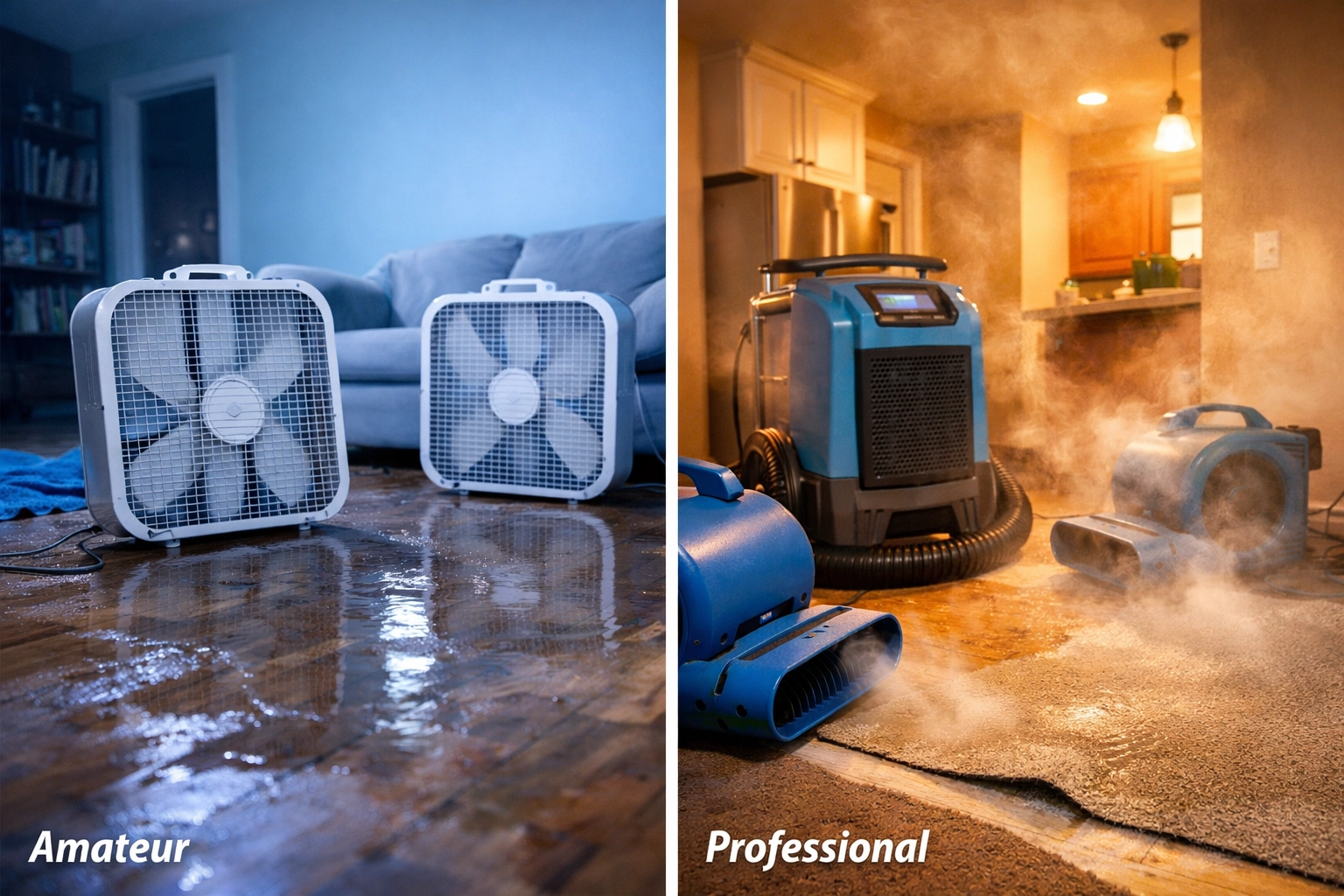
This one's huge. People think if they run their ceiling fan or point a box fan at the wet spot, they're good. But here's the reality: those fans are moving air, not removing moisture. The water is still there: it's just… deeper.
Proper structural drying services in Berks County or anywhere else require air movers (which are basically fans on steroids) plus industrial dehumidifiers running 24/7 for days. And cranking up the heat? That actually makes mold growth faster, not slower.
The Fix: Rent or hire professional water drying equipment if you absolutely must DIY, but honestly, the cost of equipment rental + your time usually equals what pros charge anyway. Companies specializing in water damage mitigation have this down to a science.
So you've mopped up the water from that burst pipe cleanup. Great! But did you fix the pipe? Or figure out why your sump pump failed in the first place?
This is the equivalent of putting a bucket under a leaking roof and calling it handled. Spoiler: it's not handled. The water's coming back, and next time it might be worse.
The Fix: Storm damage restoration and flood damage repair aren't complete until you've addressed the source. Leaking appliance? Replace it. Roof leak water damage? Get that roof patched before you do anything else. If you just clean up without fixing the root cause, you're basically guaranteed to deal with water damage restoration again in six months.
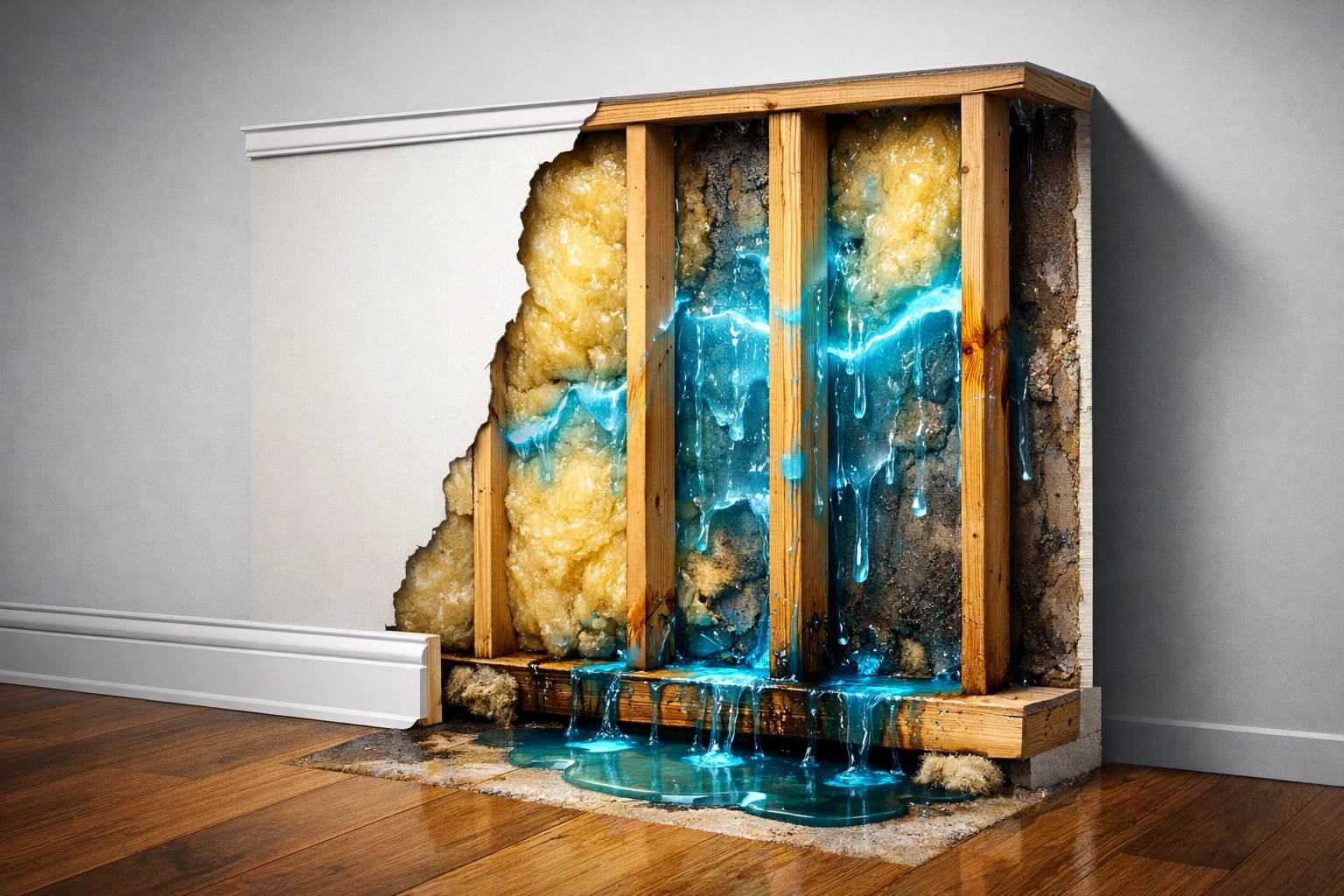
"I don't see any mold, so we're fine, right?"
Wrong. Mold doesn't always announce itself with visible black spots. It can be growing inside your walls, under your carpet, in your crawl space, basically anywhere dark and damp. And if you had water sitting around for more than 24 hours? You probably have mold starting somewhere.
Homeowners in Delaware and Pennsylvania call us for mold testing and inspection months after "handling" water damage themselves, only to discover they've got a full-blown mold problem that requires professional mold remediation and costs way more than if they'd just had it checked initially.
The Fix: Schedule mold air quality testing after any significant water event. Certified mold remediators can catch problems early before they become toxic mold cleanup nightmares. Trust me, mold prevention services are way cheaper than mold damage restoration later.
Water isn't just H2O. Depending on where it came from, you could be dealing with bacteria, sewage, chemicals, or all kinds of nasty stuff. Even "clean" water from a burst pipe picks up contaminants as it spreads.
Just drying everything out doesn't make it safe. You need actual sanitization: especially if you're dealing with sewage backup cleanup or commercial water damage repair in a workspace.
The Fix: Professional water damage cleanup includes disinfection and deodorization as standard. They'll treat affected surfaces, purify the air, and make sure you're not living in a science experiment. This is especially important for carpet water extraction and hardwood floor water restoration: those materials absorb everything.
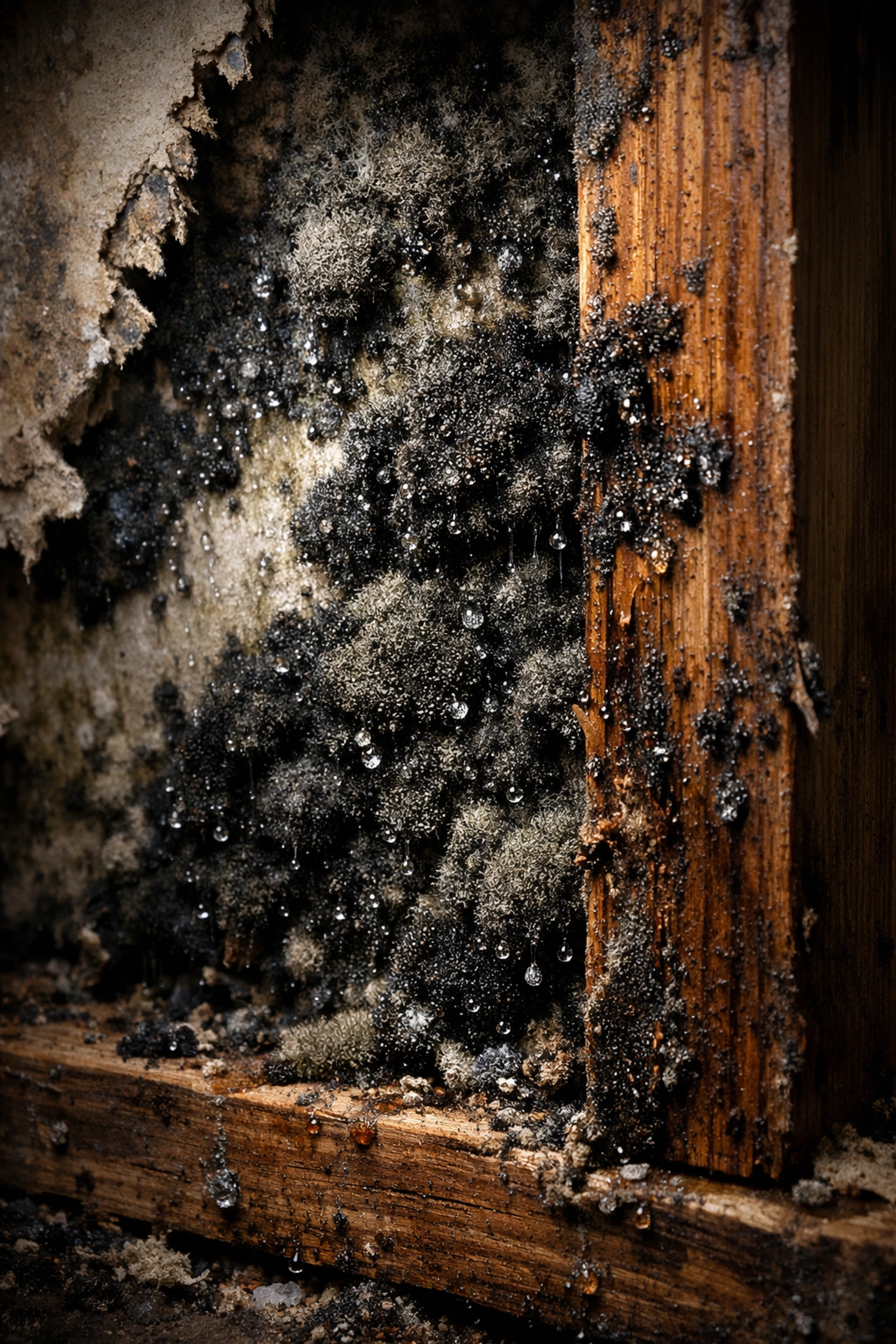
Here's the truth: water damage in Delaware, Bucks County, Chester County, Montgomery County, or anywhere else isn't something you want to mess around with. Every hour counts. Every corner you cut now could cost you thousands later in mold remediation, structural repairs, or health issues.
If you're dealing with emergency water removal, basement flooding, or any kind of water emergency right now, the best move is to call professionals who actually know what they're doing. Companies offering water damage mitigation services have the equipment, expertise, and certifications to get your home back to normal: actually normal, not "looks okay but still has moisture trapped in the walls" normal.
Need help with water damage restoration, mold remediation, or just want someone to check if you've got hidden moisture issues? Reach out to My Water Damage Hero and let's make sure your home is actually dry and safe.
Because here's the thing: your home is probably your biggest investment. Don't let a few mistakes turn water damage into a disaster.
Contact us for quick, trusted restoration.
See how we’ve turned tough situations into success stories.

