
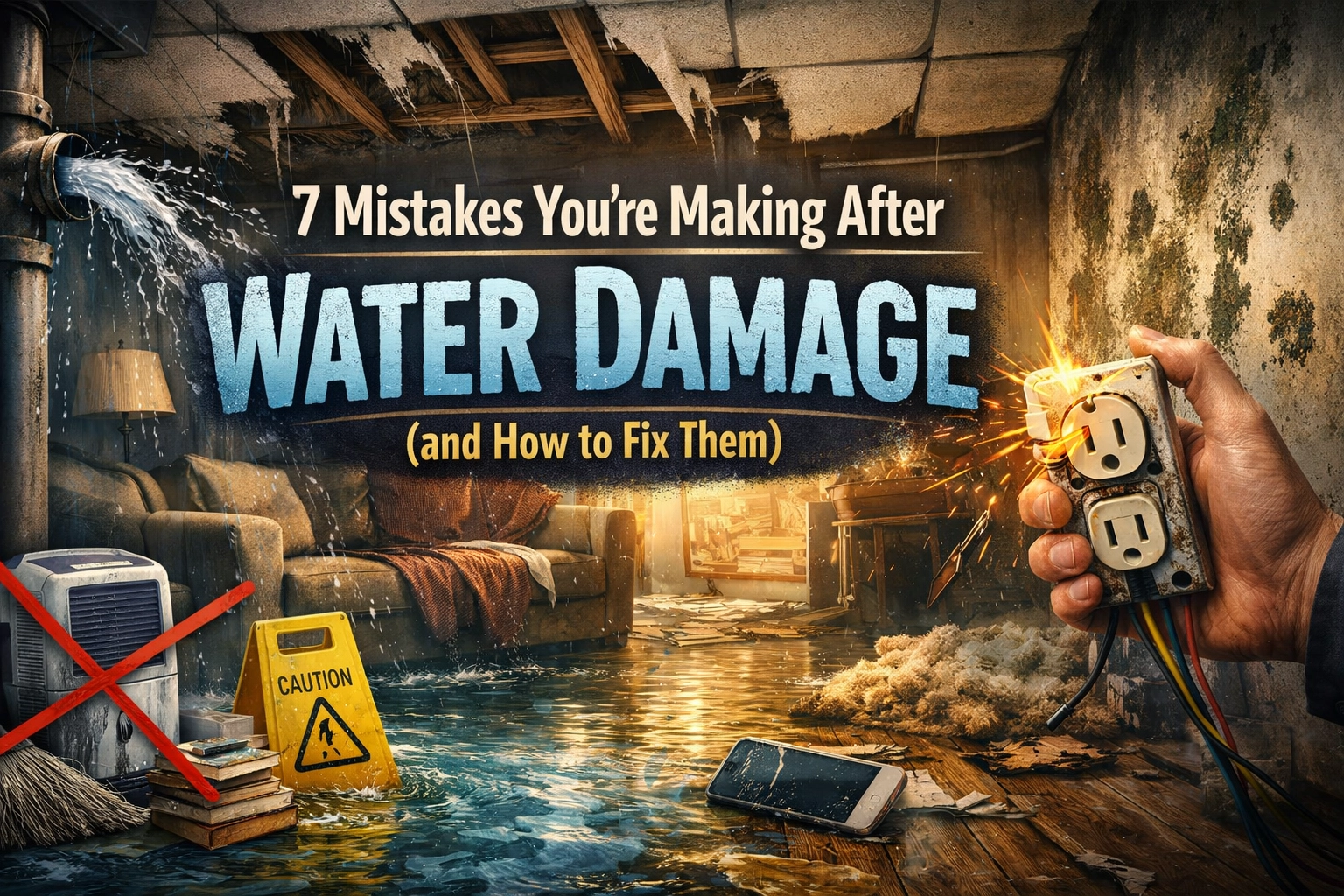
So your basement flooded. Or maybe a pipe burst in your kitchen at 2 AM. Perhaps your roof decided to let the rain in during the last storm. Whatever happened, you're now standing in your home wondering what the heck to do next.
First things first: take a breath. Water damage restoration doesn't have to be a nightmare: but only if you avoid some common pitfalls that homeowners in Delaware, Bucks County, and Chester County make all the time.
We get it. When water is everywhere, panic sets in. You grab towels, start mopping, and hope for the best. But here's the thing: what you do (or don't do) in those first few hours can mean the difference between a quick cleanup and a full-blown disaster that costs you thousands.
Let's break down the 7 biggest mistakes people make after water damage: and exactly how to fix them.
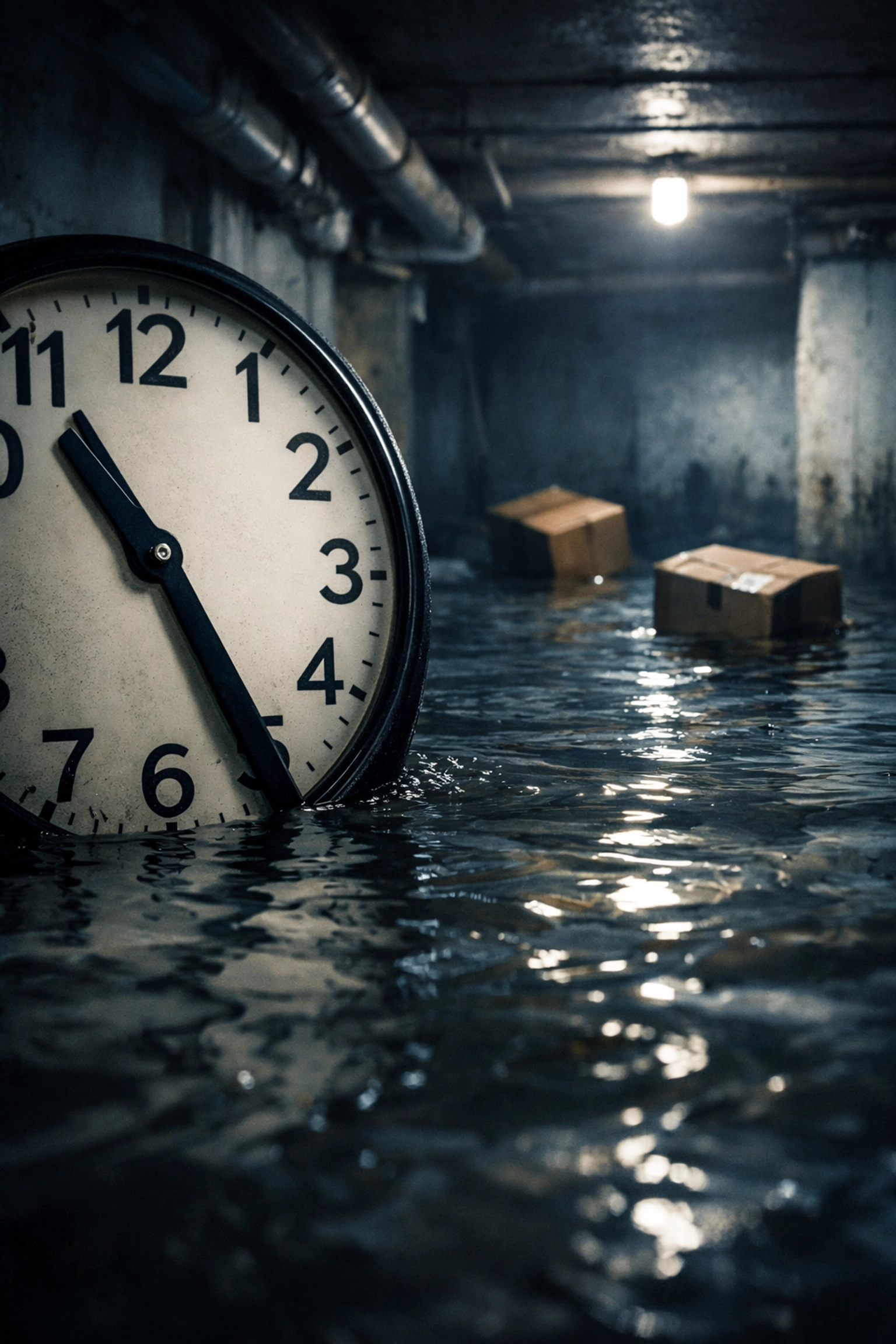
This is the big one. The number one mistake homeowners make after water damage is simply… waiting.
Maybe you think it's not that bad. Maybe you're hoping it'll dry on its own. Maybe you're just overwhelmed and don't know where to start.
Here's the reality: mold can start growing in as little as 24 to 48 hours. That's it. One to two days, and you've got a mold problem on top of a water problem.
And it gets worse. The longer water sits, the more it seeps into your walls, floors, and foundation. Wood warps. Drywall crumbles. What started as a fixable issue becomes a massive water damage restoration project.
How to fix it: Call a professional water damage restoration company immediately. Seriously: don't wait until tomorrow. The faster you act, the less damage you'll have, and the lower your repair costs will be. If you're in Delaware or Bucks County, My Water Damage Hero offers 24/7 emergency water removal services for exactly this reason.
In the chaos of dealing with water everywhere, the last thing on your mind is taking photos. But trust us: you need to document everything before you touch anything.
Why? Because your insurance company is going to want proof. Without detailed photos, videos, and notes, your claim could get delayed or even denied. And nobody wants to fight with their insurance company while also dealing with a flooded house.
How to fix it: Before you start any cleanup, grab your phone and take photos and videos of every affected area. Get wide shots of the rooms and close-ups of the damage. Save all receipts, repair estimates, and any communication with contractors. Keep everything organized in one folder: digital or physical: so you're ready when the adjuster calls.
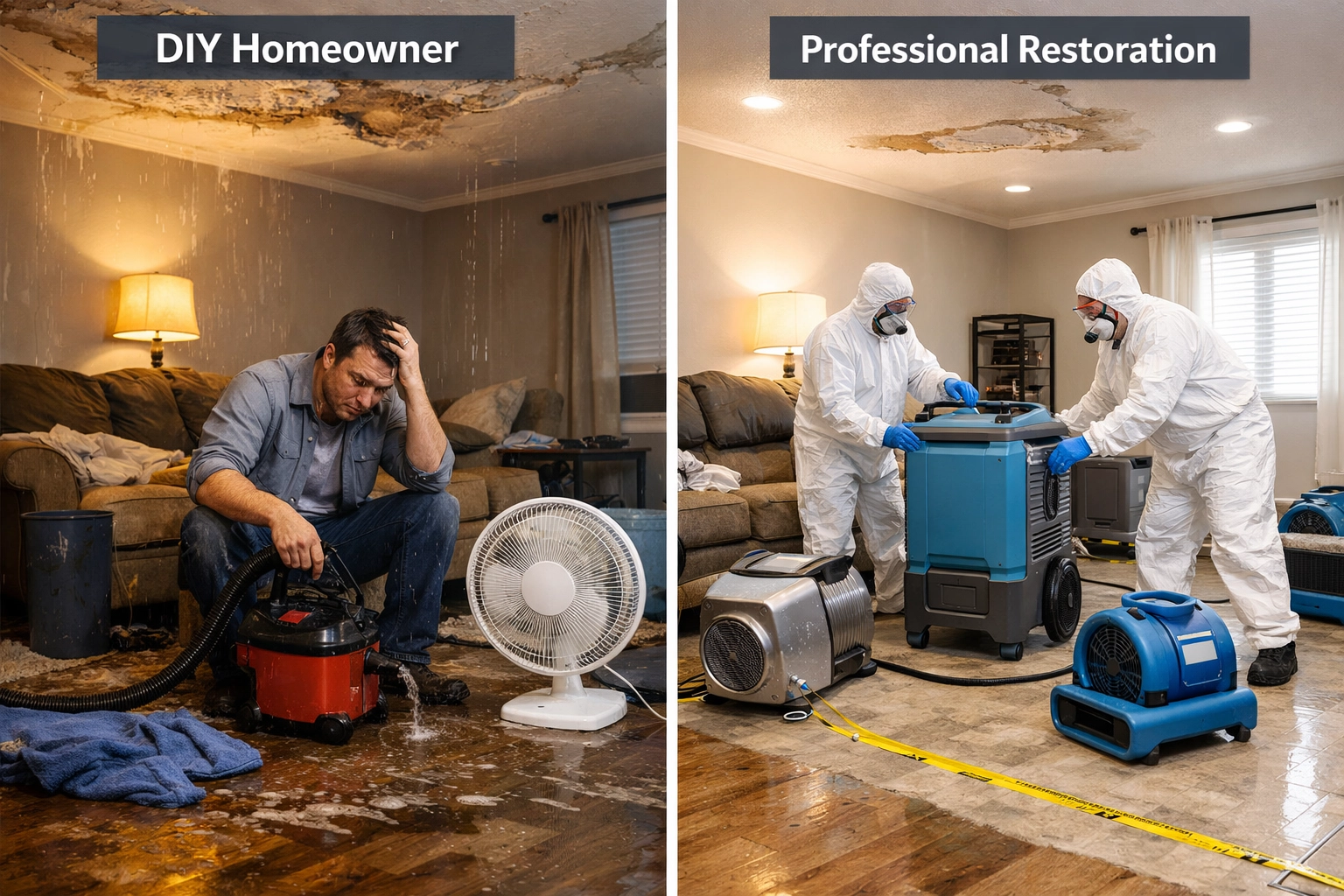
Look, we love a good DIY project as much as anyone. But emergency water removal is not the time to break out your shop vac and call it a day.
Here's the problem: household tools just aren't powerful enough. Your regular fans, mops, and wet vacs can handle surface water, sure. But water damage goes deep. It soaks into carpet padding, seeps behind walls, and saturates insulation. If you don't get all of it out: and we mean ALL of it: you're setting yourself up for mold growth, structural damage, and a whole lot of headaches down the road.
How to fix it: Bring in the pros. Professional water damage restoration companies use industrial-grade equipment: commercial dehumidifiers, high-powered air movers, moisture meters, and extraction tools that can actually reach the water you can't see. It's not about being lazy: it's about doing the job right.
Water and electricity don't mix. Neither do water and sewage. Or water and unstable structures. Yet in the rush to save their belongings, many homeowners walk right into dangerous situations without thinking twice.
Electrical hazards are a huge concern. If water has reached your outlets, wiring, or electrical panel, you could be at risk for shock or even a fire. And if the water came from a sewage backup or flood, it's contaminated with bacteria and other nasty stuff you definitely don't want to touch.
How to fix it: Before you do anything, turn off the electricity to the affected areas if you can safely reach your breaker box. Wear protective gear: rubber boots, gloves, and a mask if you have one. And if there's any chance the water is contaminated (sewage backup, floodwater, etc.), do NOT try to handle it yourself. Call a certified water damage restoration team to manage the situation safely.
This one trips up a lot of people. You've mopped up the water, run some fans for a few days, and everything looks and feels dry. Time to move on, right?
Not so fast.
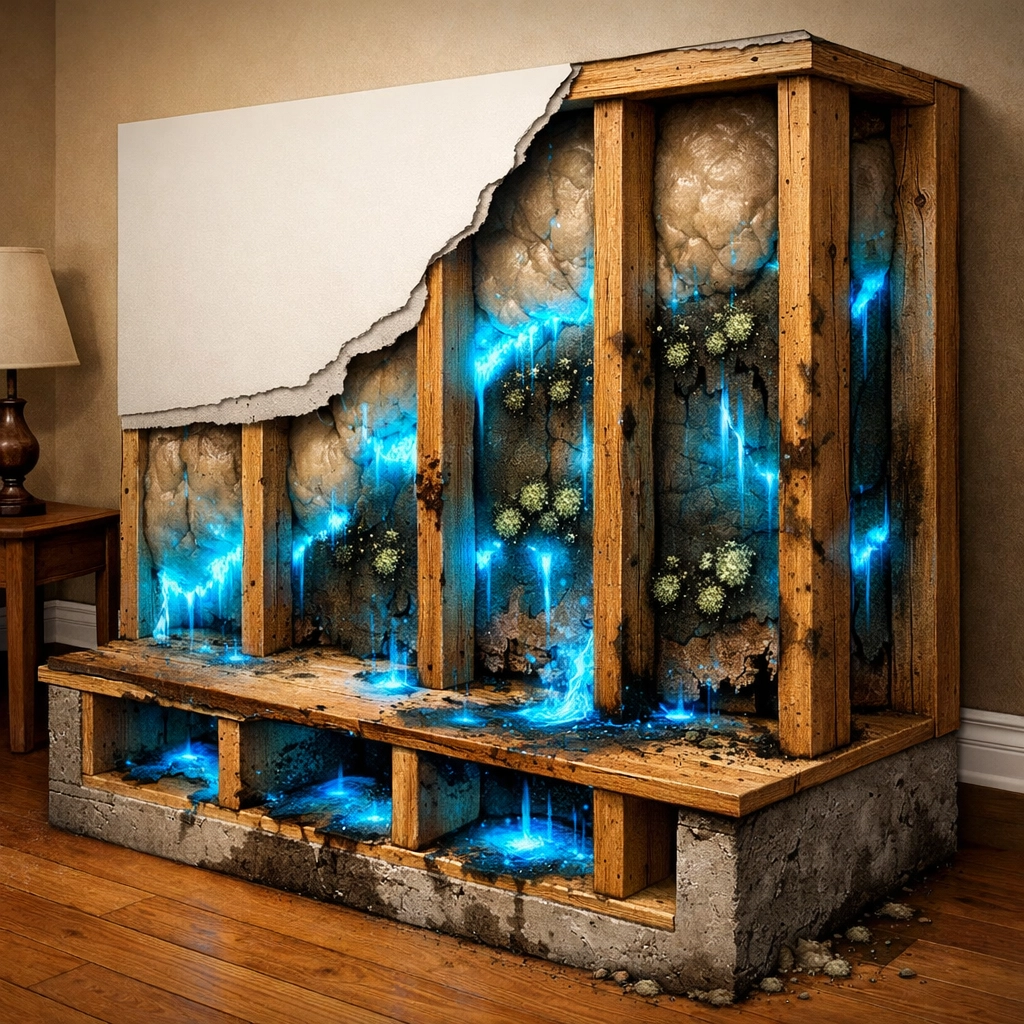
Just because a surface feels dry doesn't mean the moisture is gone. Water loves to hide. It seeps behind drywall, under flooring, into subfloors, and deep into insulation. And that hidden moisture? It's a paradise for mold. Weeks after you think the problem is solved, you might start noticing musty smells, discoloration, or even health issues: all signs of hidden mold growth.
How to fix it: Don't trust your hands: trust the equipment. Professional mold remediation and water damage experts use moisture detection tools to find hidden water that your senses can't detect. They'll make sure everything is completely dry before declaring the job done. This step is crucial for preventing mold removal calls a few months down the road.
This ties into the DIY mistake, but it's worth its own section because it's so common.
Here's the deal: your ceiling fan and that box fan from the garage aren't going to cut it. Household fans just don't have the power to properly dry out water-damaged materials. They might dry the surface, but remember: water goes deep. Half-baked drying is one of the most common pathways to mold growth.
How to fix it: Professional structural drying services use commercial-grade dehumidifiers and industrial air movers that can dry out your entire home: including the hidden spots behind walls and under floors. If you're in Chester County, Montgomery County, or anywhere in the Delaware area, investing in proper drying now will save you from expensive mold remediation later.
You've cleaned up the water. You've dried everything out. You've even had the carpets professionally cleaned. You're done, right?
Not if you haven't figured out WHY the water damage happened in the first place.
Fixing the visible damage without addressing the source is like putting a bandage on a leaky pipe. That pipe is going to keep leaking. That roof is going to keep letting water in. That faulty appliance is going to flood your kitchen again.
How to fix it: Before you start repairs, identify and fix the root cause. Was it a burst pipe? Get it replaced. A leaking roof? Time for repairs. A faulty sump pump? Upgrade it. A professional water damage restoration team can help you pinpoint exactly what went wrong and recommend the right solutions so you don't end up right back where you started.
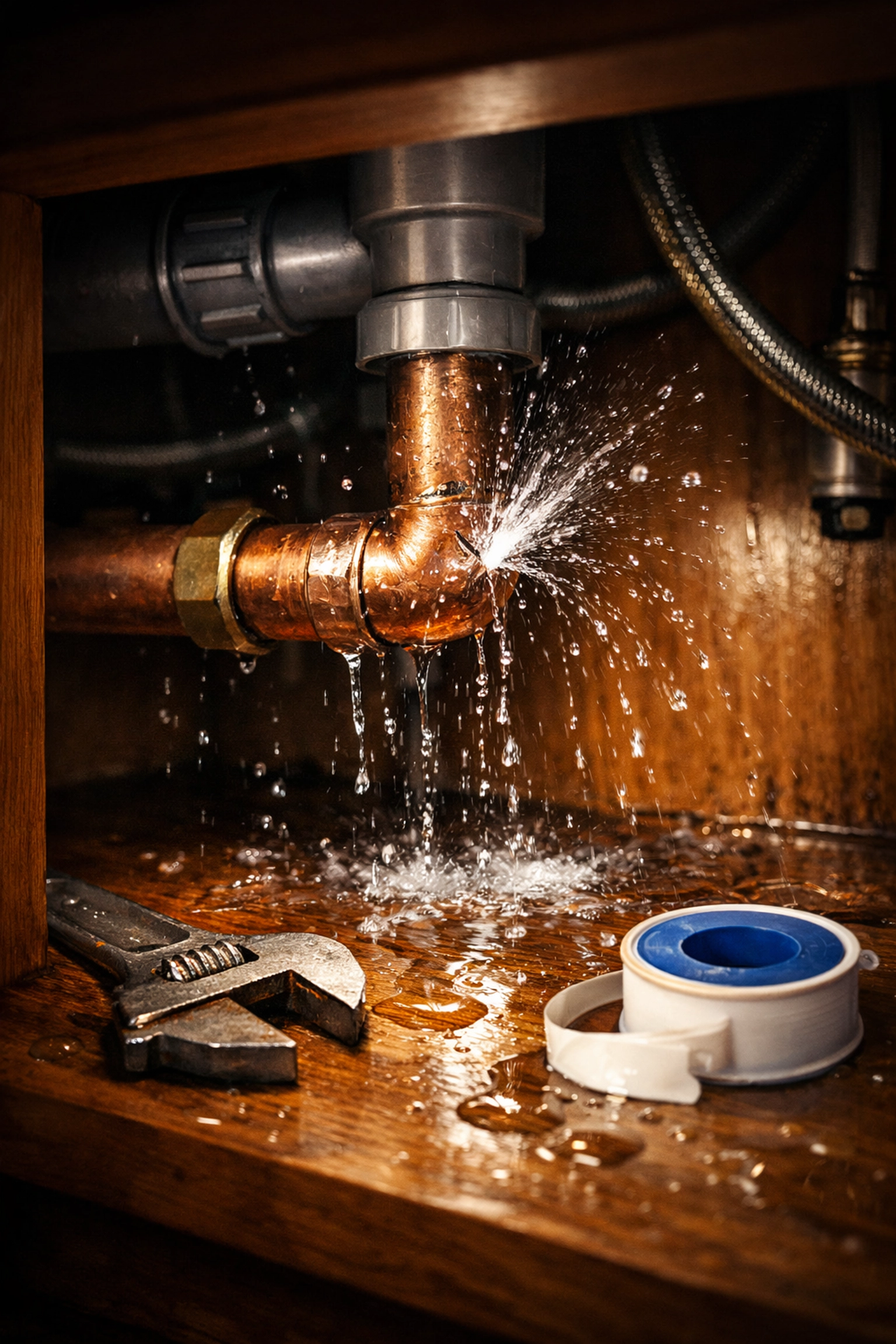
Here's something most people don't think about after water damage: your HVAC system.
If water or excess moisture got anywhere near your air ducts, you could be circulating mold spores, bacteria, and musty odors throughout your entire home every time your system kicks on. Professional air duct cleaning services can remove contaminants and help restore your indoor air quality after water damage.
Water damage is stressful. There's no way around it. But the mistakes you make in those first critical hours can turn a manageable situation into a costly disaster.
Here's the short version:
If you're dealing with water damage in Delaware, Bucks County, Chester County, or the surrounding areas, My Water Damage Hero is here to help. From emergency water removal to mold remediation to carpet cleaning and beyond: we've got you covered 24/7.
Don't let a water disaster become a water catastrophe. Call in the heroes.
Contact us for quick, trusted restoration.
See how we’ve turned tough situations into success stories.

