
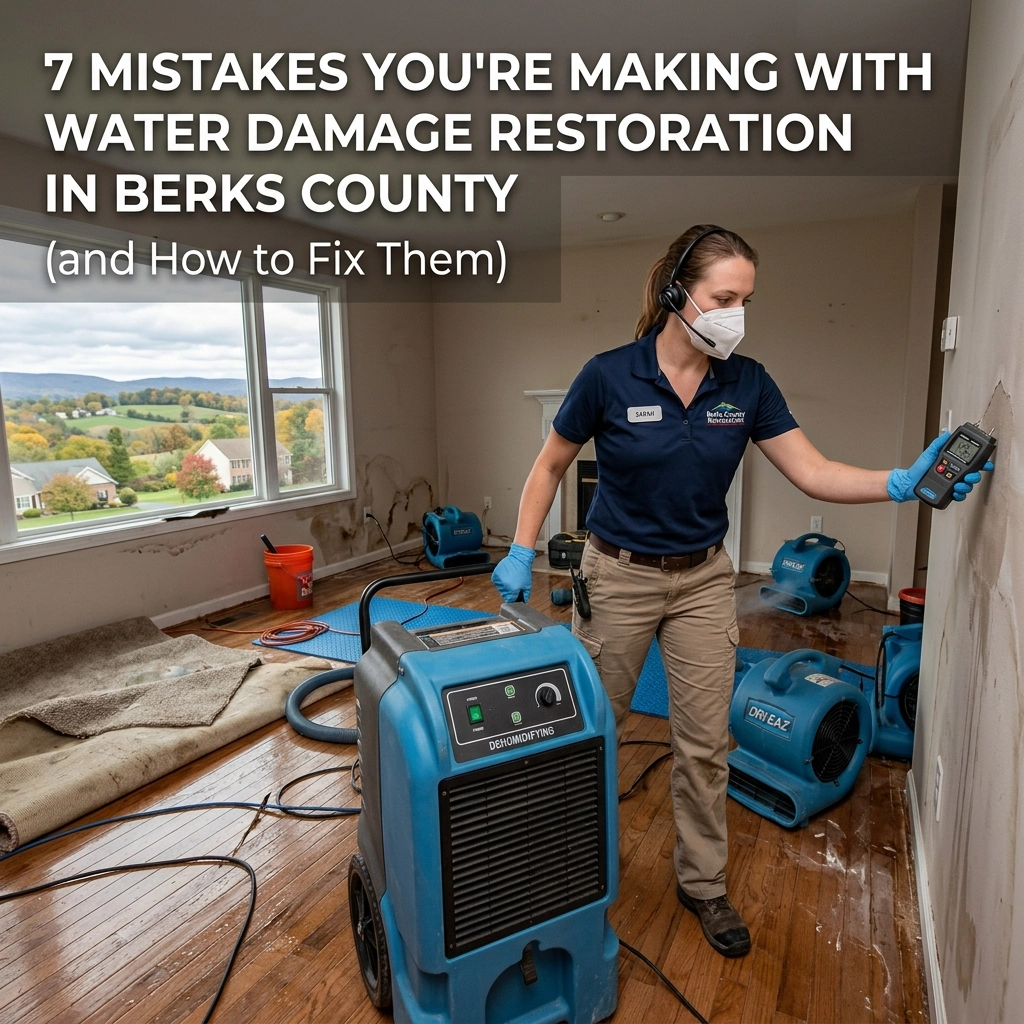
If you’ve ever walked downstairs to your basement in Reading or Wyomissing and heard that dreaded squish-squish sound under your feet, you know the instant panic that sets in. Water damage is one of those things every Berks County homeowner fears, and for good reason. Whether it’s a burst pipe during a cold snap or a flash flood after a heavy spring rain, water can turn your life upside down in minutes.
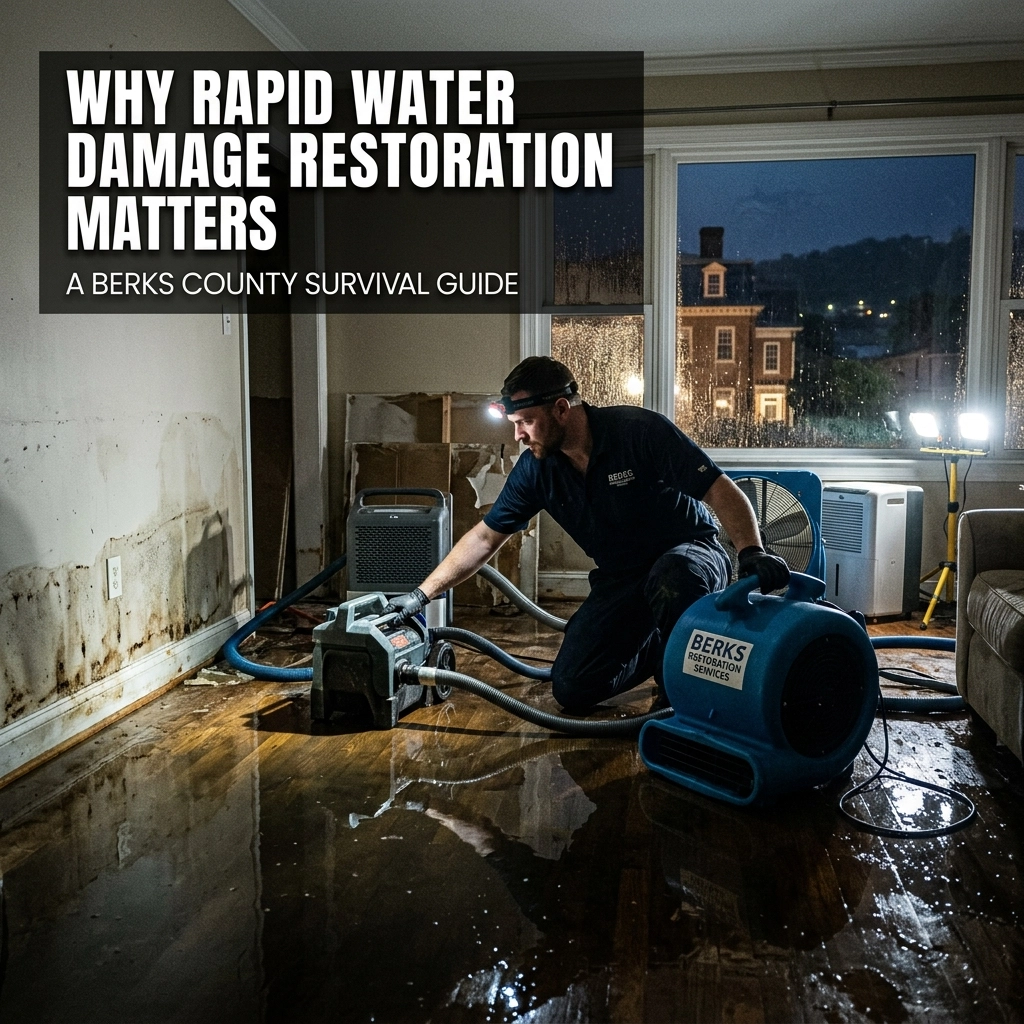
But here’s the thing: what you do in the first few hours after finding water determines whether you’ll be looking at a simple cleanup or a massive, months-long water damage restoration project.
At My Water Damage Hero, we’ve seen it all. We’ve seen homeowners handle things like pros, and we’ve seen some well-intentioned DIY attempts go sideways fast. Today, we’re breaking down the seven most common mistakes people make with water damage and, more importantly, how you can avoid them to save your home and your wallet.
The single biggest mistake you can make is waiting. You might think, "It’s just a little bit of water, I’ll deal with it after work," or "Maybe it’ll dry out on its own if I open a window."
The Reality: Water doesn’t just sit there. It’s active. It’s soaking into your baseboards, wicked up by your drywall, and seeping into your subflooring. Within just 24 to 48 hours, mold can begin to grow. Once mold remediation becomes part of the equation, the cost and complexity of the job skyrocket.
The Fix: Treat every water incident like an emergency. Start removing standing water immediately and call a professional water damage restoration team. The sooner the drying process starts, the less likely you are to deal with structural rot or health hazards.

This is a classic. You mop up the puddle on the kitchen tile and think you’re good to go. But water is sneaky: it follows the path of least resistance. It travels behind the cabinets, under the dishwasher, and through the cracks in the floorboards.
The Reality: Just because the surface looks dry doesn’t mean the structure is dry. Moisture trapped behind walls can cause the wooden studs to rot and creates a perfect, dark, damp breeding ground for mold. If you don't address the hidden moisture, you’re just putting a Band-Aid on a much bigger problem.
The Fix: Professionals use specialized tools like moisture meters and thermal imaging cameras to "see" inside your walls. If you’re doing it yourself, don't stop at the surface. Check adjacent rooms and the ceiling below the leak. If you see bubbling paint or a musty smell, you’ve got hidden water.
We get it: you’ve got a couple of box fans in the garage, and you figure if you point them at the wet carpet, everything will be fine by morning.
The Reality: Household fans aren't designed for water damage restoration. They move a little bit of air around, but they don’t actually remove the moisture from the environment. In fact, without a dehumidifier, those fans are just blowing humid air around, which can actually help mold spores spread faster.
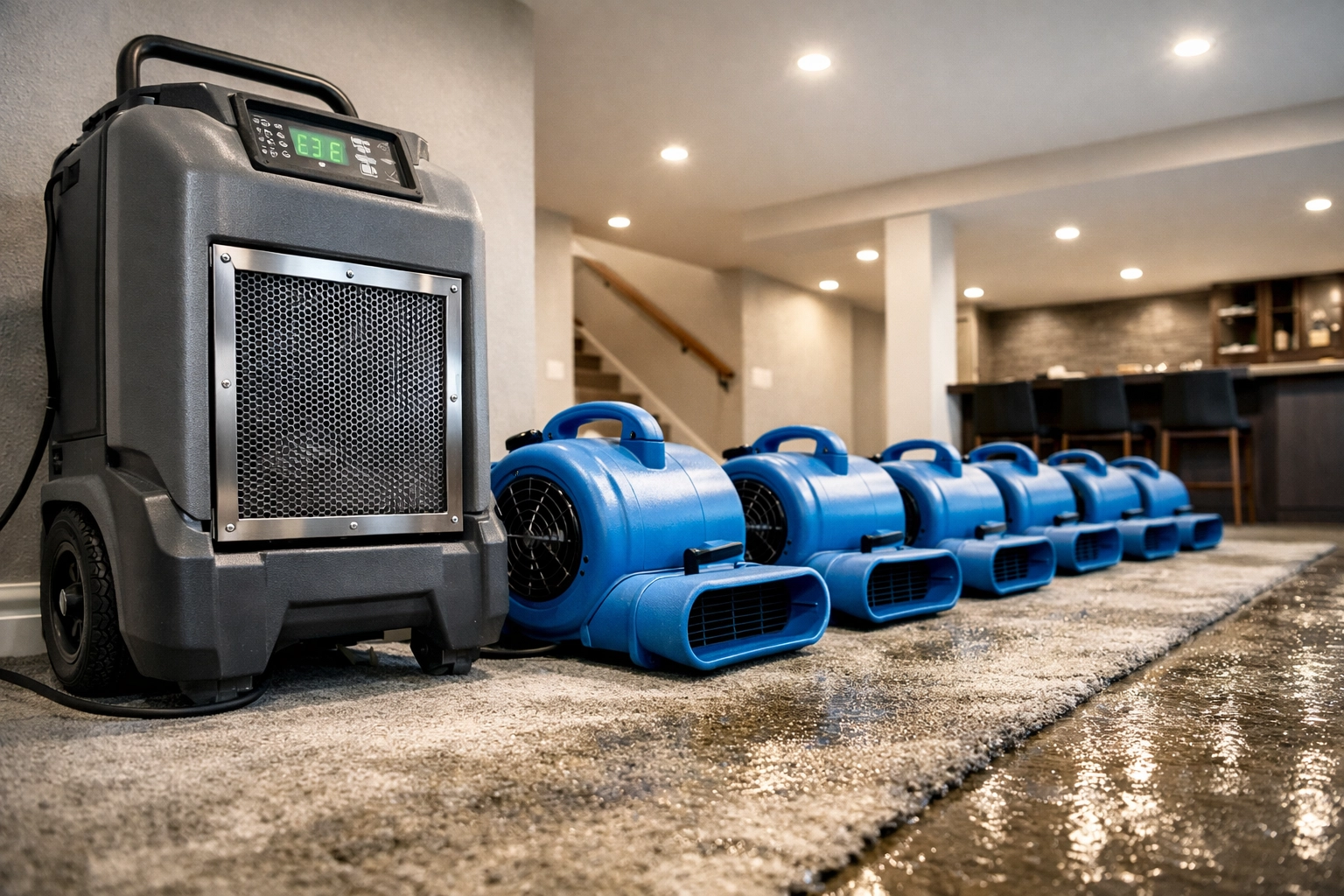
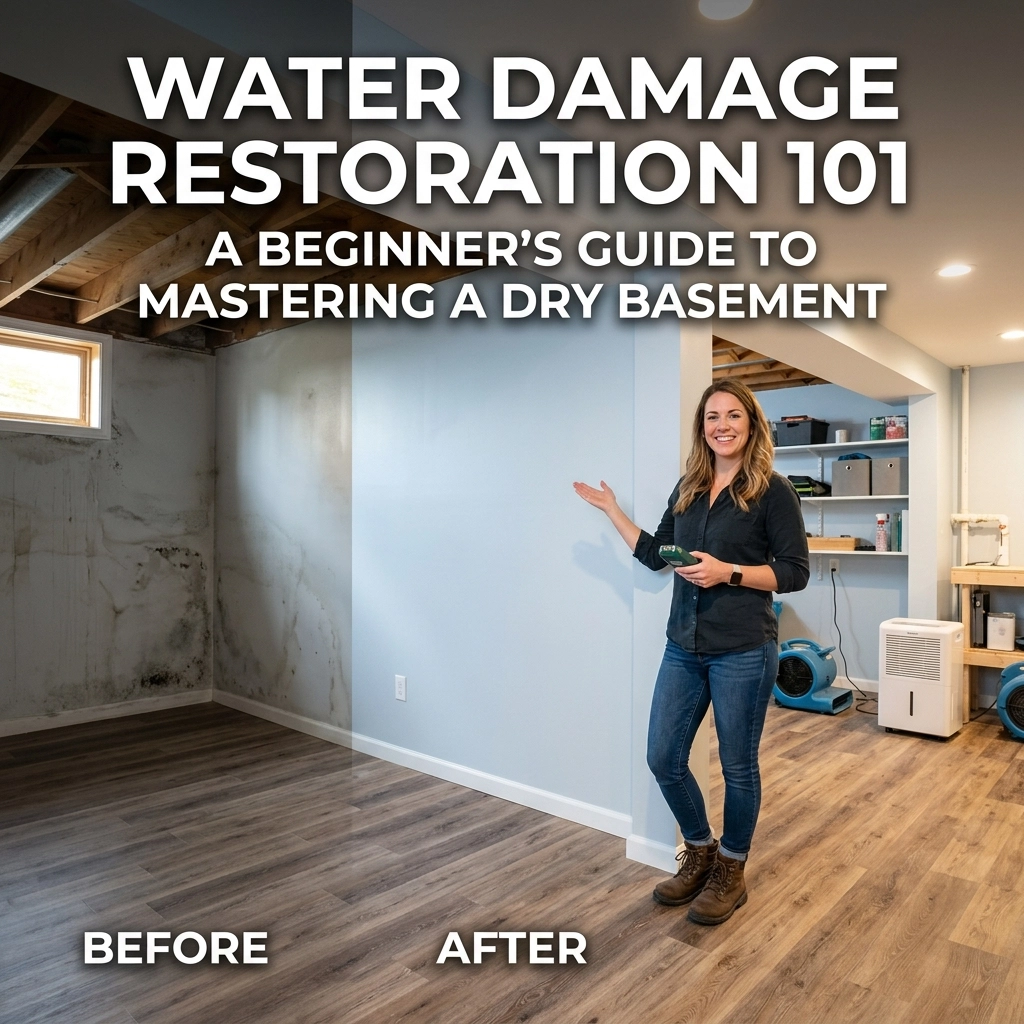
The Fix: You need industrial-grade equipment. Professional restorers use high-velocity air movers and LGR (Low Grain Refrigerant) dehumidifiers. These machines are designed to pull gallons of water out of the air every day. If you’re dealing with more than a tiny spill, rent professional drying equipment or call the heroes.
When you see your belongings floating in a flooded basement, your first instinct is to jump in and start saving things. But water and electricity are a deadly combination. Plus, you don’t always know what’s in that water.
The Reality: If the water is coming from a backed-up sewer line or has been sitting for a while, it’s likely contaminated with bacteria or chemicals. This is "black water" or "gray water," and it poses a serious health risk.
The Fix: Before you step into a flooded area, make sure the power is off at the breaker. Always wear protective gear: rubber boots, gloves, and a mask are a must. If the water is contaminated, don’t try to clean it yourself. Professional water damage restoration teams have the training and PPE to handle hazardous waste safely.
Insurance claims can be a headache, but they’re much worse if you don’t have proof of the damage. A common mistake is throwing away "trash" (like soaked rugs or damaged furniture) before the adjuster sees it or before you’ve taken photos.
The Reality: Your insurance company needs a clear paper trail to process your claim. If you don’t have photos of the standing water or the damaged items, you might not get the full payout you deserve.
The Fix: Before you move a single thing, take photos and videos of everything. Take close-ups of the source of the leak and wide shots of the affected rooms. Keep a log of every phone call you make to restoration companies and your insurance agent. Don't throw anything away until your adjuster says it's okay: or at least until you've documented it thoroughly.
We all have sentimental items, but sometimes, for the sake of your home's health, you have to let things go. Trying to dry out a heavily soaked, cheap particle-board cabinet or a thick carpet pad is often a losing battle.
The Reality: Certain materials act like sponges. Carpet padding, in particular, is almost impossible to dry once it’s fully saturated with contaminated water. If you try to keep it, you’re likely trapping moisture and bacteria under your carpet, leading to permanent odors and mold issues.
The Fix: Be ruthless with porous materials. If the carpet padding is soaked, rip it out. If drywall is soft and mushy, it needs to be cut out and replaced. Focus your energy on saving items that can be properly sanitized and dried, like solid wood furniture or hard surfaces. For items that need a deep clean, professional carpet cleaning can often save the top layer of your rugs if the water was clean.

Water damage isn’t just about what you can touch; it’s about what you breathe. When water sits, it evaporates and increases the humidity in the entire house. This can lead to mold growth in areas that weren't even touched by the water, like inside your HVAC system.
The Reality: Many people finish the "cleanup" but leave behind a musty smell. This is usually a sign that mold spores are active or that your air ducts have pulled in moisture and dust.
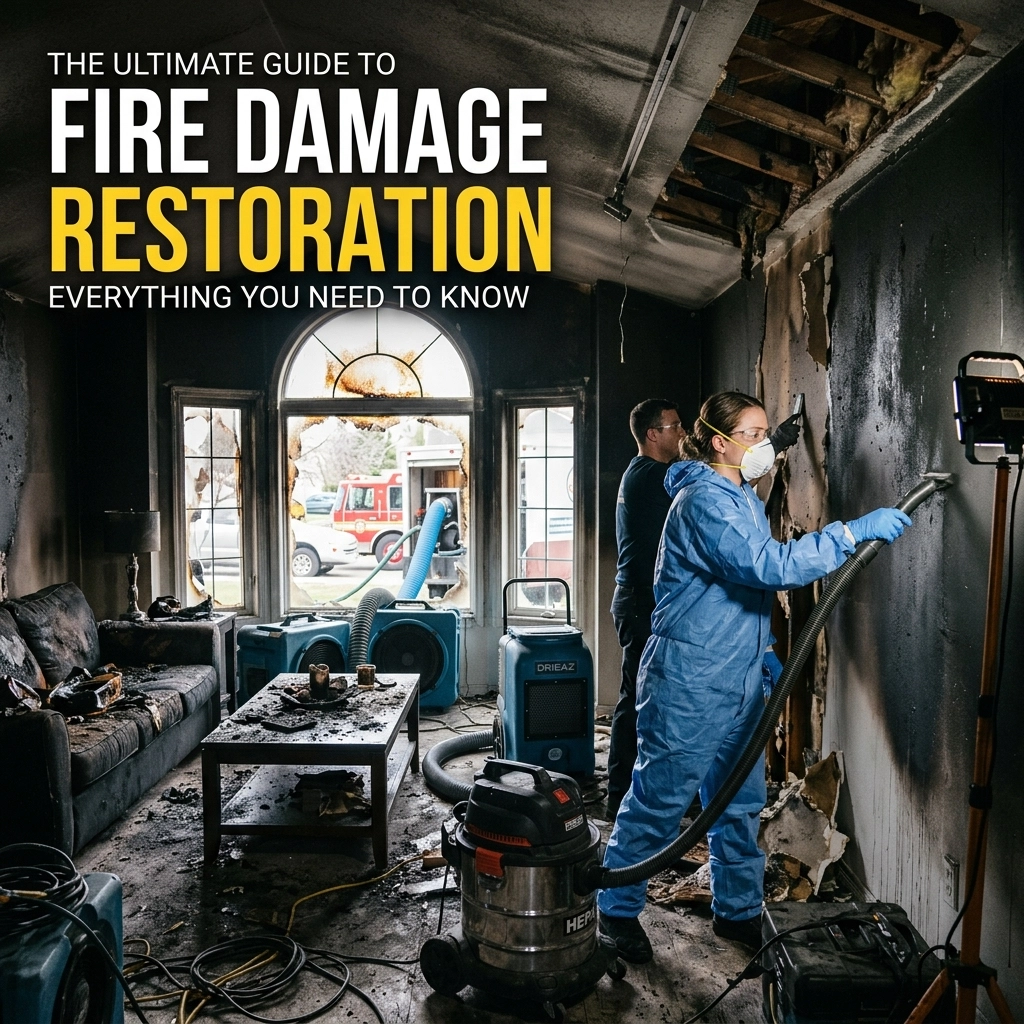
The Fix: Part of a complete restoration involves checking your indoor air quality. This might mean professional air duct cleaning to ensure you aren't circulating mold spores every time the AC kicks on. If there was a fire involved, you might also need fire damage restoration techniques to remove smoke odors that linger in the walls and vents.
It sounds obvious, but in the heat of the moment, people often forget the most important step: stop the water! Whether it’s the main water shut-off valve for a burst pipe or a sump pump failure, you have to stop the "leak" before you start the "fix."
The Fix: Every person in your house should know where the main water shut-off valve is located. If you live in an older Berks County home, these valves can sometimes be stuck or hard to find: check yours today before an emergency happens!
Dealing with water, mold, or fire damage is stressful. You don’t have to do it alone. Whether you’re in Boyertown, Kutztown, or right in the heart of Reading, My Water Damage Hero is here to help you navigate the process.
We don't just "dry things out." We provide a comprehensive approach that includes:
Don't let a small leak turn into a structural disaster. By avoiding these seven common mistakes and acting quickly, you can protect your home and your family. If you’re feeling overwhelmed, remember: the heroes are just a phone call away. We’re available 24/7 because we know that disasters don't wait for business hours.
Stay dry, Berks County!
Contact us for quick, trusted restoration.
See how we’ve turned tough situations into success stories.

