
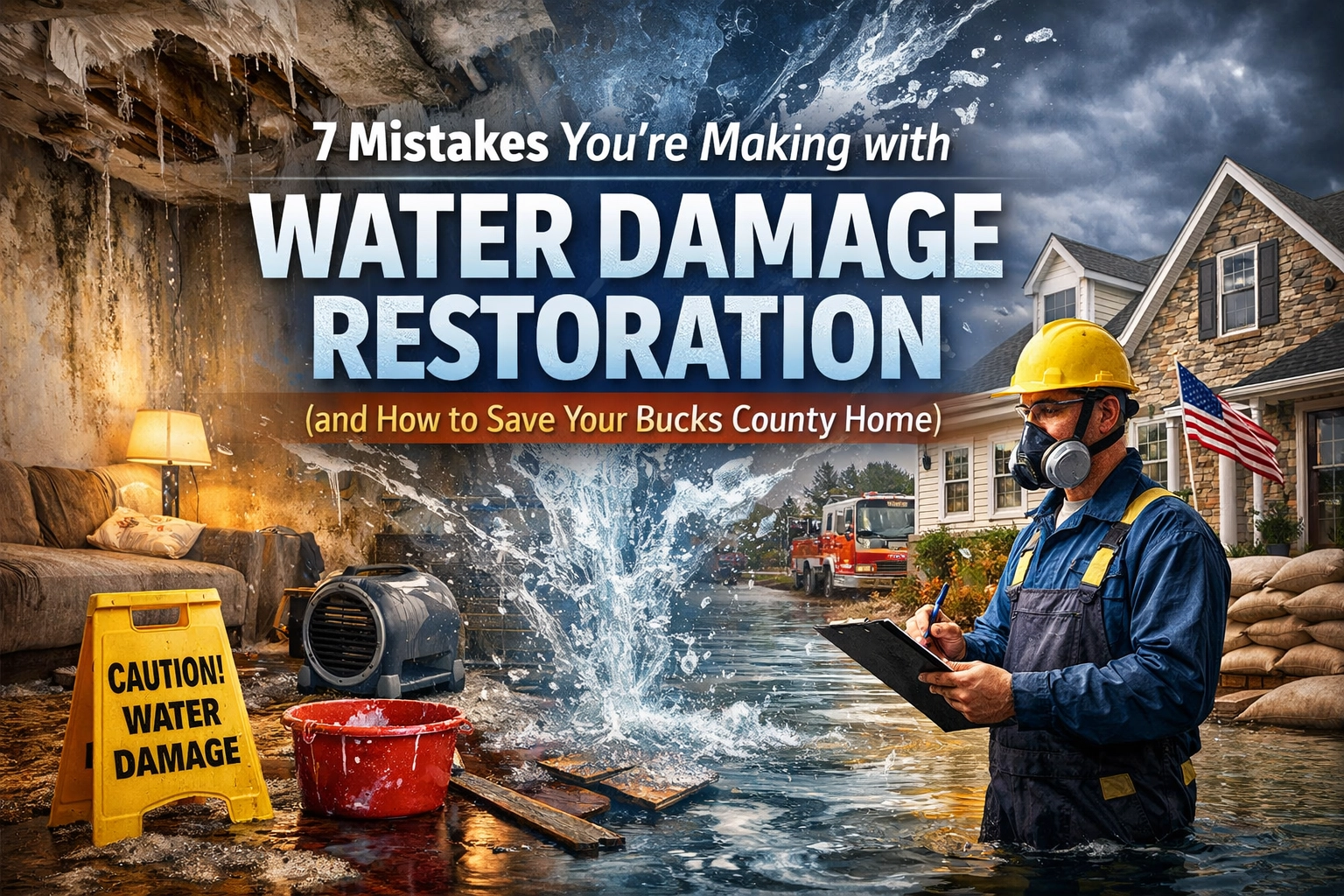
Finding a pool of water in your basement or a damp spot on your ceiling is enough to make any Bucks County homeowner panic. Whether it’s a burst pipe in Doylestown or a leaky roof after a heavy storm in Bensalem, water damage is a race against time.
At My Water Damage Hero, we see it all the time. Homeowners try to do the right thing, but they accidentally make the damage worse: and more expensive: by following bad advice or skipping crucial steps. Water damage restoration isn't just about mopping up the mess; it’s a scientific process of drying and sanitizing.
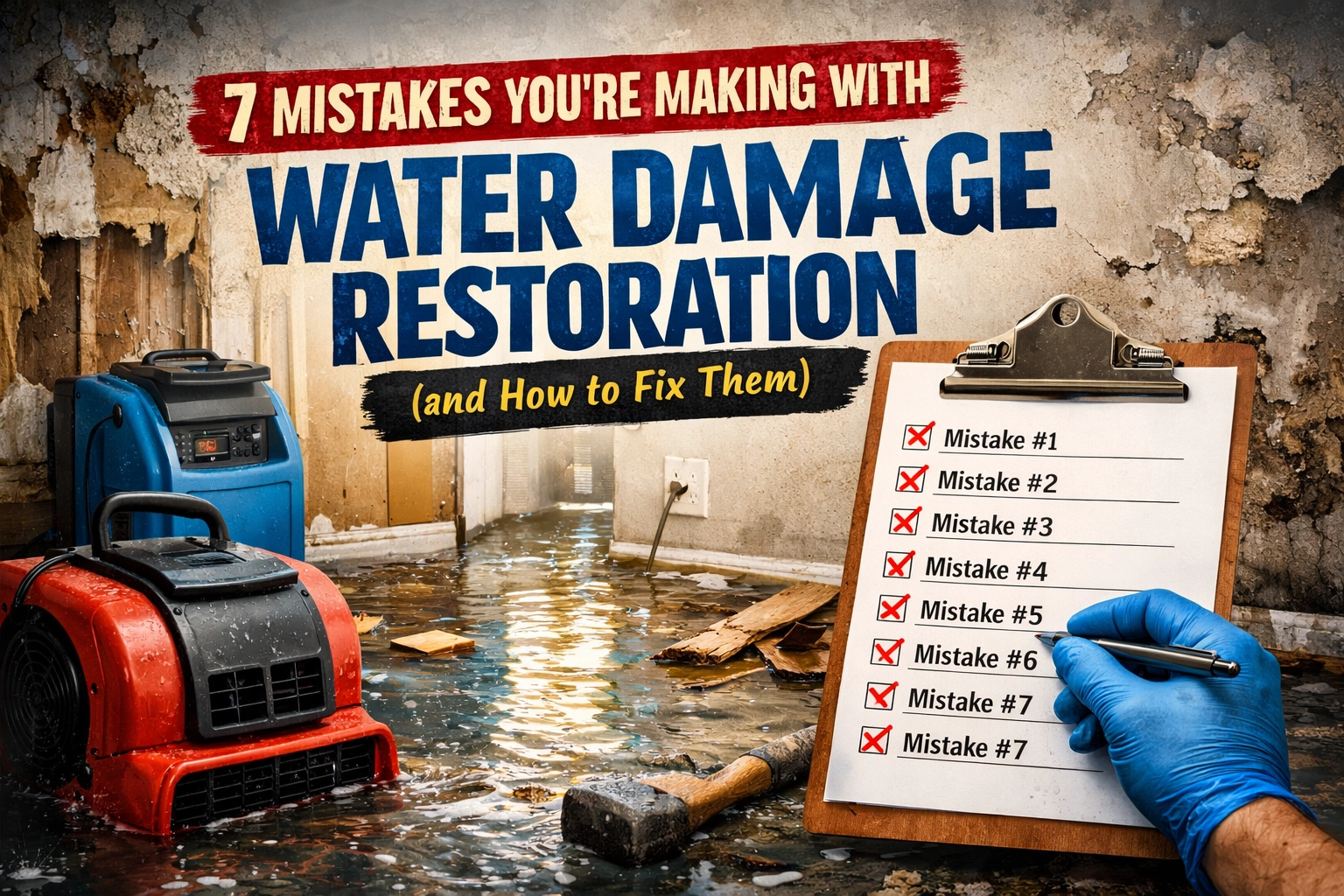
If you want to protect your home and your wallet, avoid these seven common mistakes.
The biggest mistake you can make is thinking, "I'll deal with this tomorrow." In the world of water damage, time is your worst enemy.
Within just 24 to 48 hours, mold can begin to grow. Once those spores take root, you’re no longer just dealing with a drying project: you’re looking at full-scale mold remediation. Water also spreads horizontally and vertically. It wicks up your drywall and soaks into your floorboards. The longer you wait, the more structural damage occurs, and the higher the bill climbs.
The Hero Tip: As soon as you spot water, call in the pros. Every hour you save could save you thousands of dollars in reconstruction costs later.
We get it: you have a couple of box fans in the garage and a shop vac. You might think that’s enough to dry out a room. Unfortunately, it’s not even close.
Household fans move air around the surface, but they don't have the power to pull moisture out of the materials themselves. In fact, if not used correctly, they can actually spread mold spores around the house. Professional water damage restoration requires industrial-grade air movers and LGR (Low Grain Refrigerant) dehumidifiers that can pull gallons of water out of the air and the structure.
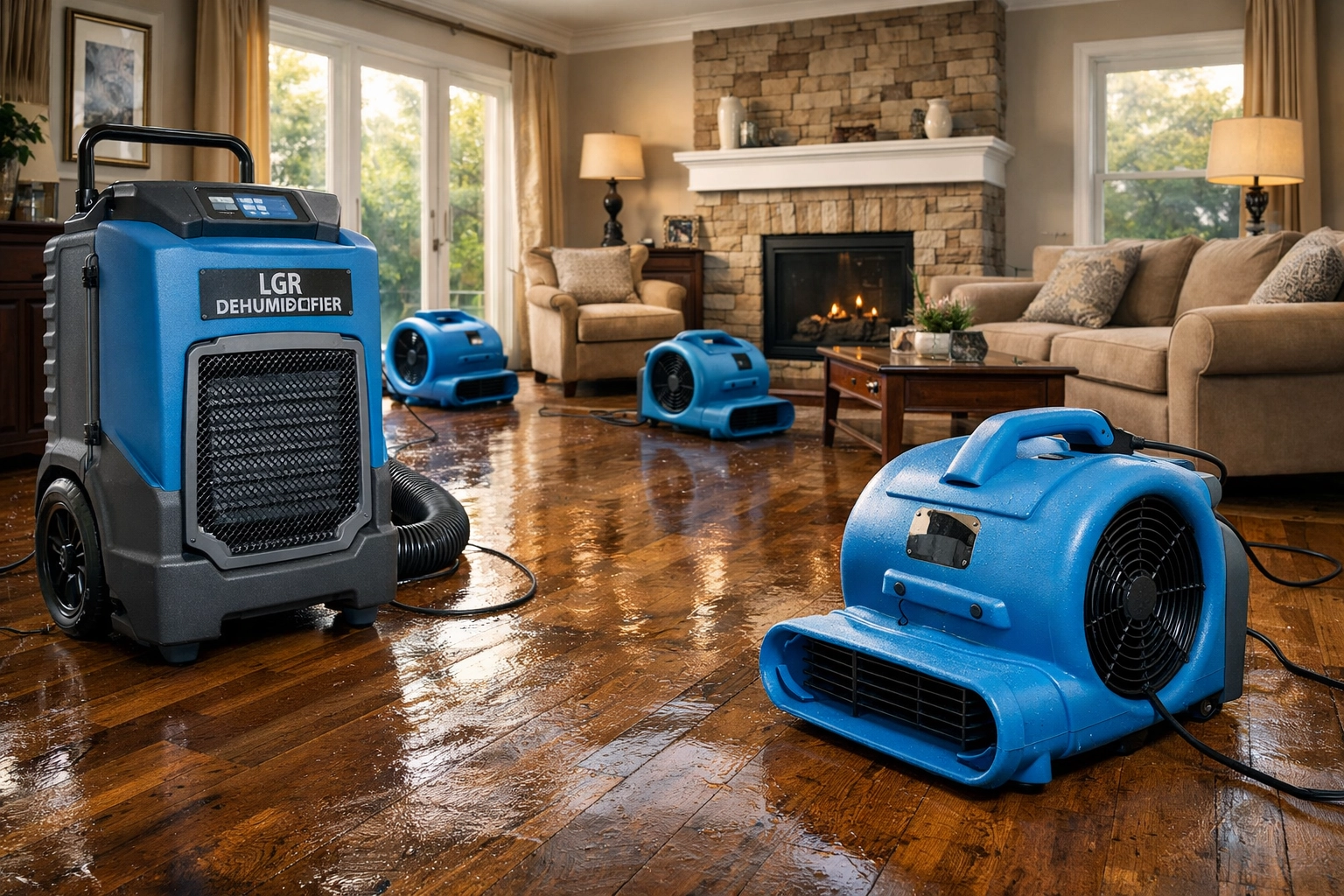
Using the wrong equipment often leaves the deep layers of your flooring damp. If you have wet rugs, professional carpet cleaning is also a must to ensure the padding underneath isn't rotting.
Just because it looks dry doesn't mean it is dry. This is where most DIY attempts fail. Water is sneaky; it loves to hide behind baseboards, under laminate flooring, and inside wall cavities.
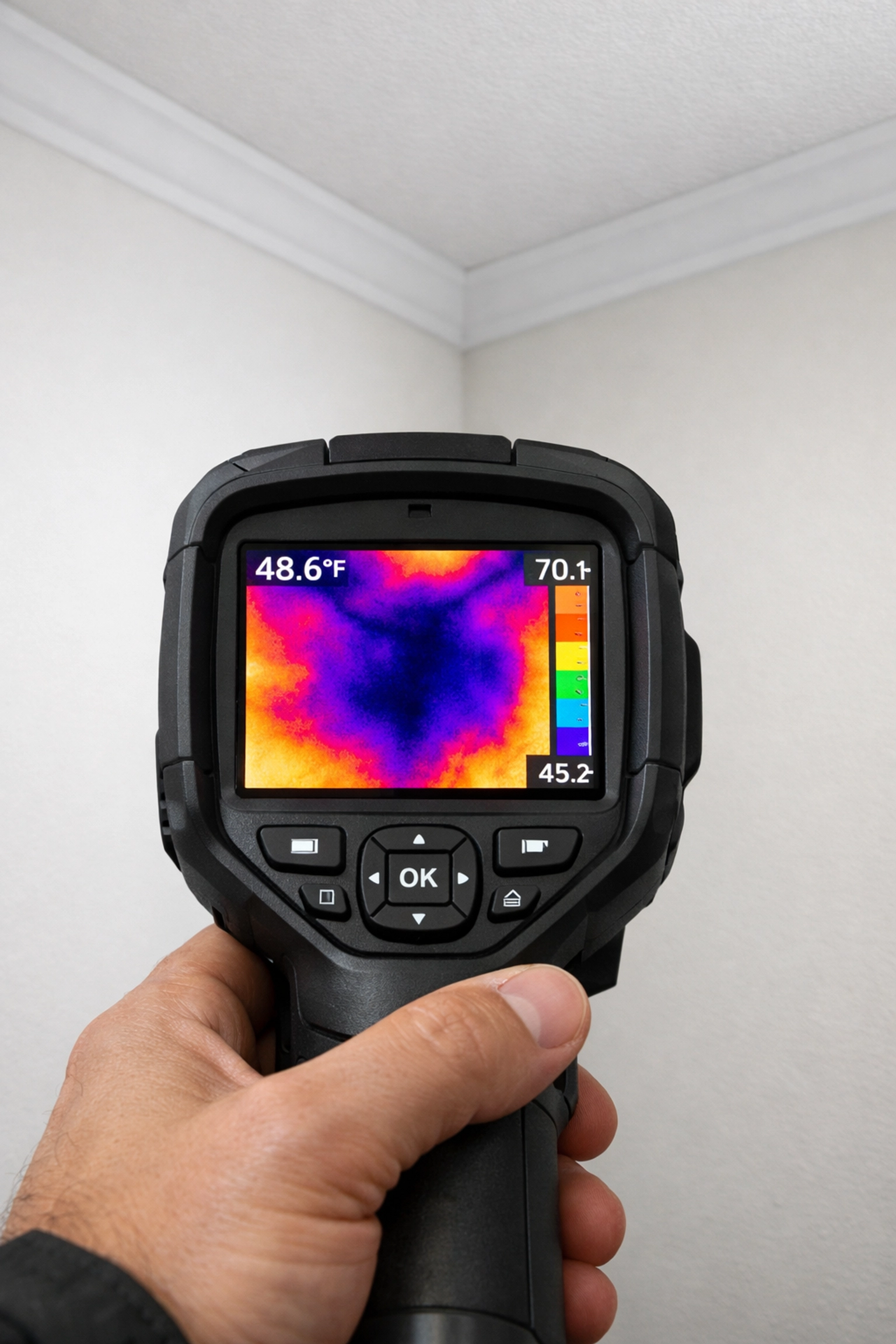
If you only dry the surface, the moisture trapped inside your walls will eventually cause the wood to rot and lead to "hidden" mold growth that you’ll smell before you see. Professionals use specialized tools like moisture meters and infrared thermal imaging cameras to "see" through walls and locate every last drop of moisture.
The Hero Tip: If you had a major leak, don't trust your eyes. Trust a moisture meter. If the structure isn't 100% dry, the job isn't done.
Water damage isn't just "wet." Depending on where the water came from, it could be "Category 2" (gray water from a dishwasher or washing machine) or "Category 3" (black water from a sewer backup or outdoor flood).
Even if the water looks clean, standing water quickly becomes a breeding ground for bacteria and viruses. Many people forget that they need to disinfect every surface the water touched. If you don't sanitize properly, your home could develop a lingering musty smell that never goes away.
At My Water Damage Hero, we prioritize deep cleaning and sanitization to ensure your family is breathing safe, clean air. This is also a great time to consider air duct cleaning, especially if your HVAC system was running while the house was damp, as moisture could have entered your ventilation system.
It sounds obvious, but you’d be surprised how often people start the cleanup before they’ve actually stopped the leak. If you have a damp spot in your ceiling and you just paint over it or dry the drywall, the next rainstorm will bring the problem right back.
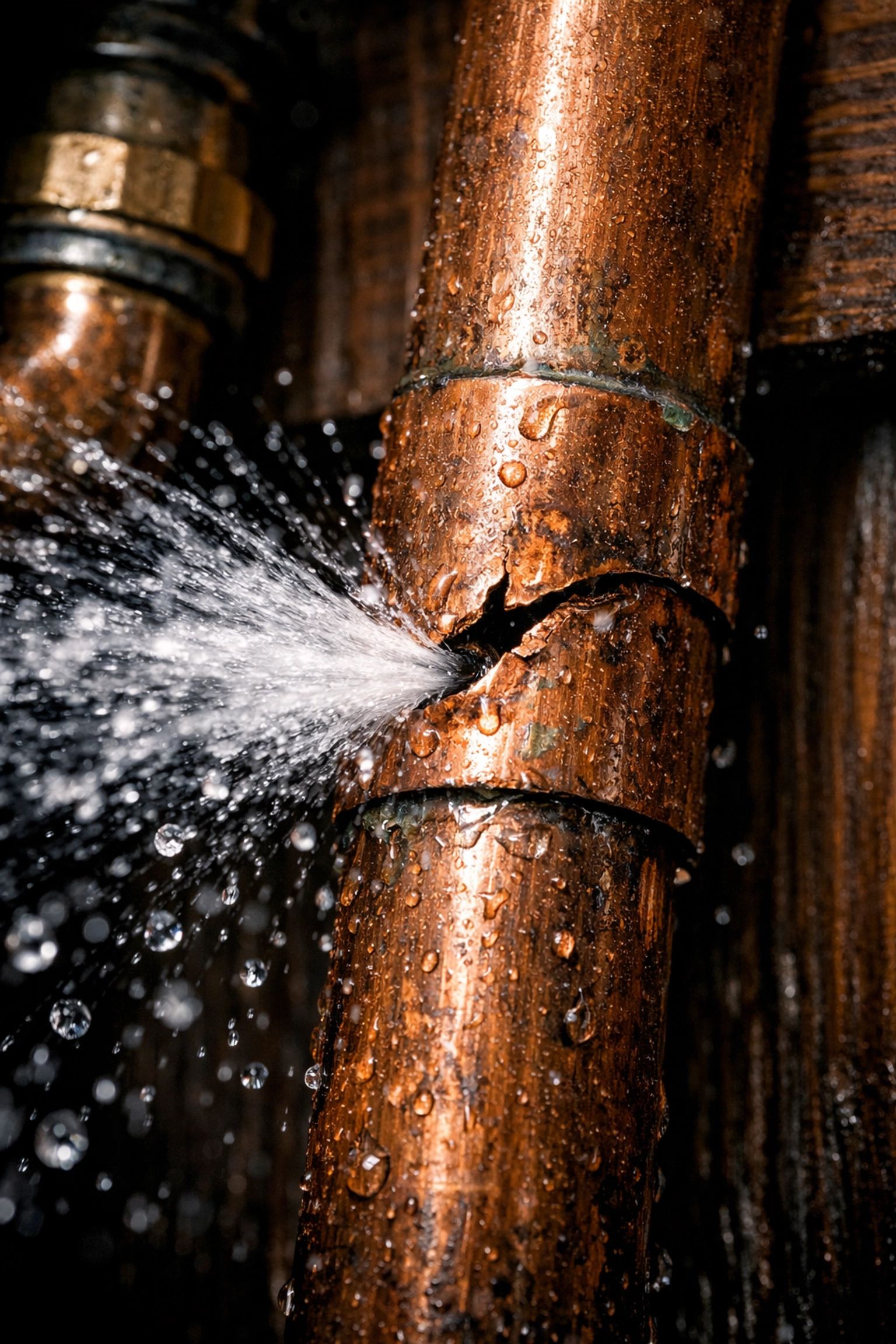
Whether it’s a faulty appliance, a plumbing issue, or a roofing problem, you must identify and repair the source of the water first. Restoration is about putting things back together, but it only works if the "break" is fixed.
A common myth is that turning up the thermostat to 80 degrees will help dry out a room faster. In reality, this is one of the worst things you can do.
Mold loves heat and moisture. By cranking up the heat without proper dehumidification, you are essentially creating a tropical rainforest in your living room: the perfect environment for a mold explosion. Professional drying is about a balance of airflow, temperature, and dehumidification (removing moisture from the air). It’s not just about heat.
Many homeowners are afraid to call their insurance company, or they wait too long to document the damage. This can lead to a denied claim. On the flip side, some people try to handle the entire claim themselves without understanding the "proof of loss" requirements.
A professional restoration company can help you document everything. We take "before" photos, moisture readings, and detailed notes that your insurance adjuster needs to process your claim fairly.
Bucks County is beautiful, but our homes face specific challenges. We have many historic homes with lath and plaster walls, which hold moisture differently than modern drywall. We also deal with high humidity in the summer and freezing pipes in the winter.
Whether you are dealing with a small leak or the aftermath of a fire (which requires specialized fire damage restoration to handle both smoke and the water used to put out the flames), you need a team that understands the local architecture and climate.
When we come into a home for water damage, we often look at the bigger picture. Is your indoor air quality safe? After a flood, we highly recommend air duct cleaning because dust and moisture in the vents can lead to mold circulating through your whole house.
If your carpets were affected, a standard vacuuming won't cut it. Deep carpet cleaning is necessary to remove the contaminants that the water brought in. We want your home to be more than just dry: we want it to be healthy.
If the water damage is more than a small spill on the kitchen tile, you should probably call a professional. Here’s a quick checklist of when to get help:
Water damage is stressful, but it doesn't have to be a disaster. By avoiding these seven mistakes, you can protect your property value and keep your family safe. Don't let a small leak turn into a massive mold remediation project.
If you’re in Bucks County and find yourself facing a watery mess, remember: you don’t have to be the hero alone. My Water Damage Hero is here to help you get your home back to normal, fast.
Need help right now? Give us a call. We’re ready to save the day!

Contact us for quick, trusted restoration.
See how we’ve turned tough situations into success stories.

