
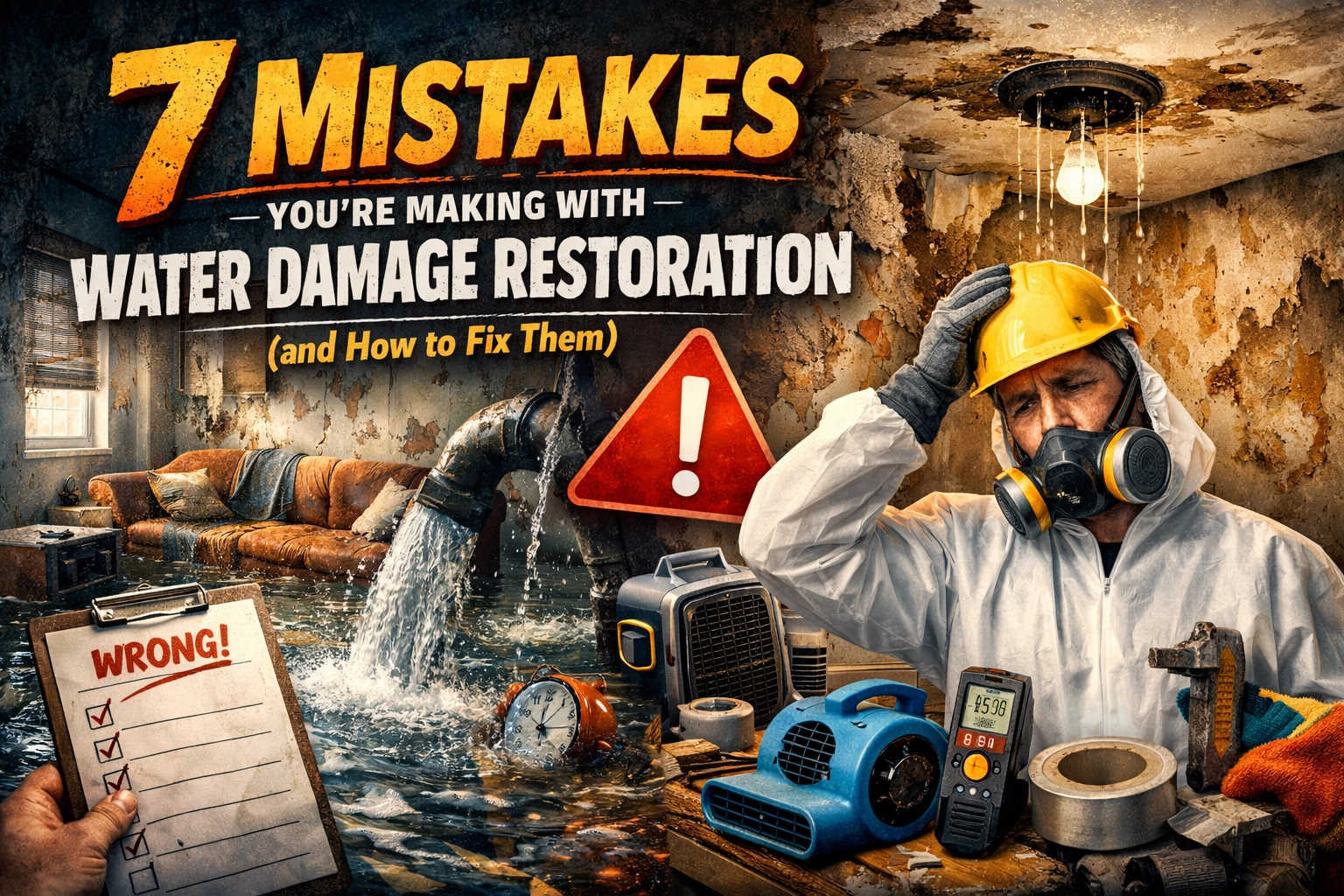
You walk into your basement and, splash. Your socks are soaking wet. Or maybe you notice a weird dark spot spreading across your ceiling. Water damage hits fast, and how you respond in those first few hours makes all the difference.
Here's the thing: most homeowners mean well but end up making their water damage situation worse without even realizing it. We've seen it time and time again in Bucks County, Chester County, and Berks County homes. So let's talk about the seven biggest mistakes people make with water damage restoration, and more importantly, how to avoid them.
What's happening: You notice water, but you think, "I'll deal with it after work" or "Let me see if it dries on its own first."
Bad idea. Water doesn't wait around. It spreads into your walls, seeps into your floors, soaks into furniture, and generally makes itself at home in places you can't even see. Within 24-48 hours, you're not just dealing with water damage anymore, you're dealing with potential mold growth.
The fix: Act immediately. Like, right now. Shut off the water source if you can find it, move furniture out of the wet area, and call a professional water damage restoration team. Every minute counts when it comes to minimizing long-term damage and keeping your repair costs down.
What's happening: You look around, see some wet carpet, grab some towels, and figure you've got a handle on things.
But here's what you can't see: water hiding inside your walls, creeping through insulation, pooling under your floorboards, and setting up camp in places that won't show damage for weeks or months. By then, you're looking at warped floors, weakened structures, and hello, mold remediation costs.
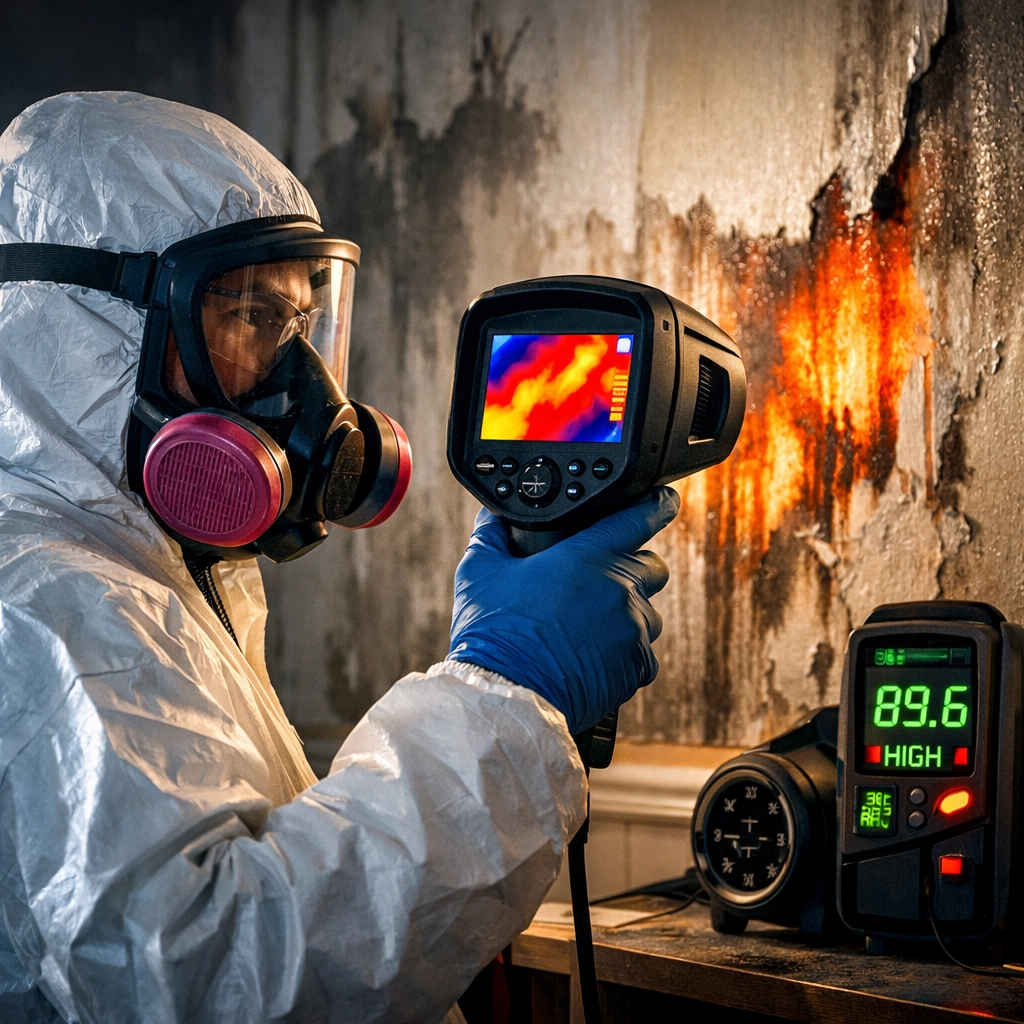
The fix: Professional water damage restoration teams use moisture meters and thermal imaging cameras, basically the superhero x-ray vision of water detection. These tools show exactly where moisture is hiding so nothing gets missed. What looks like a small problem on the surface might actually extend three feet up your wall and into the next room.
What's happening: You run a couple of fans, maybe crack open some windows, and call it done when things look dry.
Spoiler alert: "looks dry" and "actually dry" are two very different things. Moisture trapped in materials creates the perfect environment for mold and mildew to throw a party you definitely weren't invited to. Plus, that hidden moisture keeps working away at your building materials, weakening structures over time.
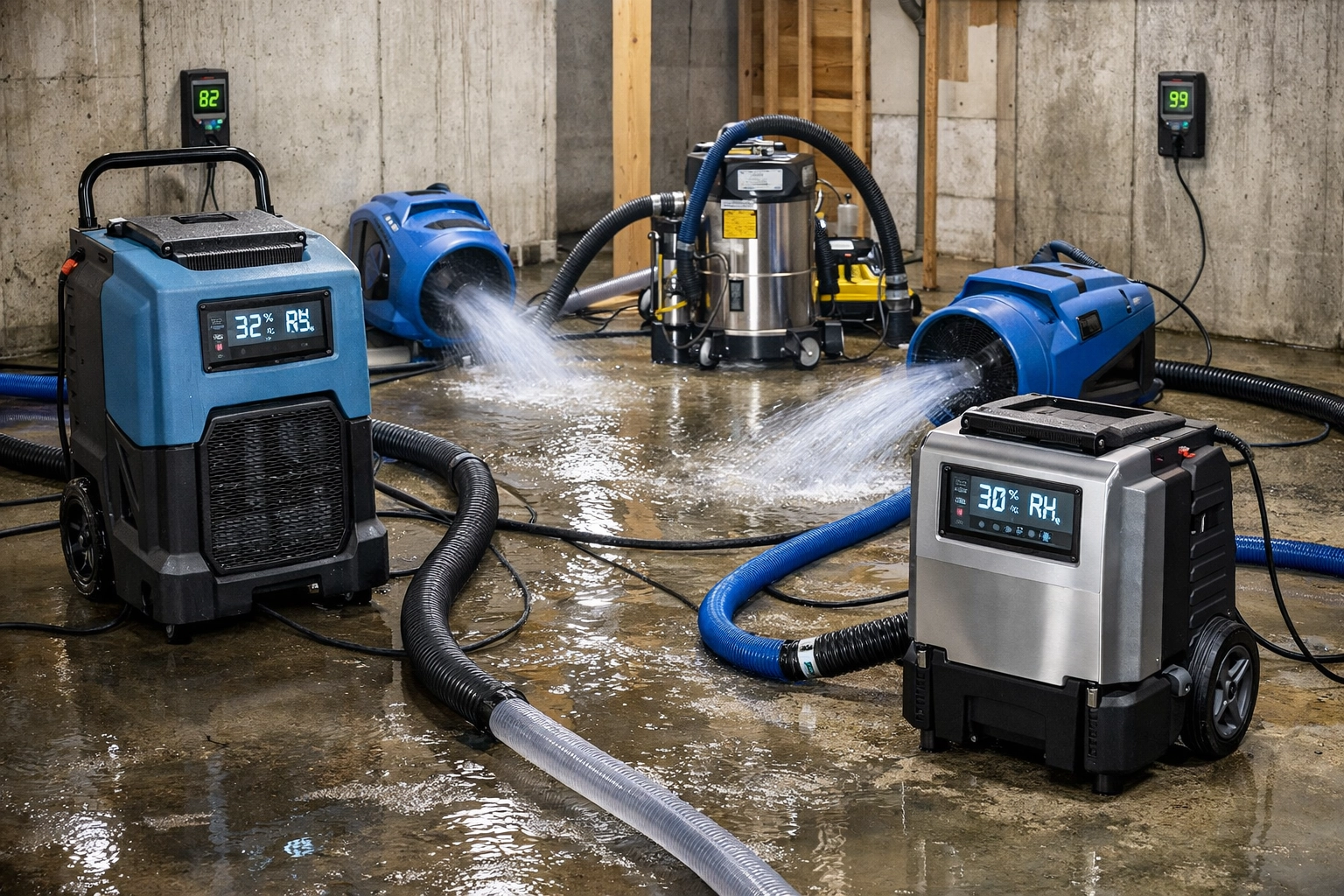
The fix: Real water damage restoration requires industrial-grade dehumidifiers and air movers strategically placed to pull moisture out of everything, walls, floors, subflooring, the works. It's not just about drying the surface; it's about getting materials back to their proper moisture levels throughout. This typically takes 3-5 days of continuous drying, not the couple of hours your box fan provides.
What's happening: You've got a wet/dry vac and some determination, so you figure you'll handle the water damage restoration yourself.
Look, we get it. Calling professionals feels like an expensive move. But here's the reality: DIY water damage cleanup almost always misses critical steps. You might remove visible water but miss the moisture meter readings showing saturation in your walls. You might not know which materials need replacement versus which can be salvaged. And without proper equipment, you're basically using a spoon to bail out a sinking boat.
The fix: Professional water damage restoration services come with specialized training, commercial-grade equipment, and, this is huge, experience spotting problems before they become disasters. A good team will document everything for your insurance claim, test moisture levels daily, and make sure your home is truly restored, not just surface-cleaned. At My Water Damage Hero, we've seen too many situations where DIY efforts led to bigger problems (and bigger bills) down the road.
What's happening: You grab your household fans, some towels, maybe even your hair dryer, and go to town on that water damage.
Those tools? They're great for drying your hair or cooling off on a hot day. For water damage restoration? Not so much. Regular fans can't generate the airflow needed to dry structural materials. Towels just move water around. And that wet/dry vac from your garage can't extract water from carpet padding or wood subflooring.
The fix: Professional-grade equipment makes all the difference. We're talking about:
This isn't equipment you rent at the hardware store, it's specialized machinery that restoration companies invest tens of thousands of dollars in because it actually works.
What's happening: You dry the visible areas and figure you're done, completely forgetting about what's behind your walls, under your floors, or inside your insulation.
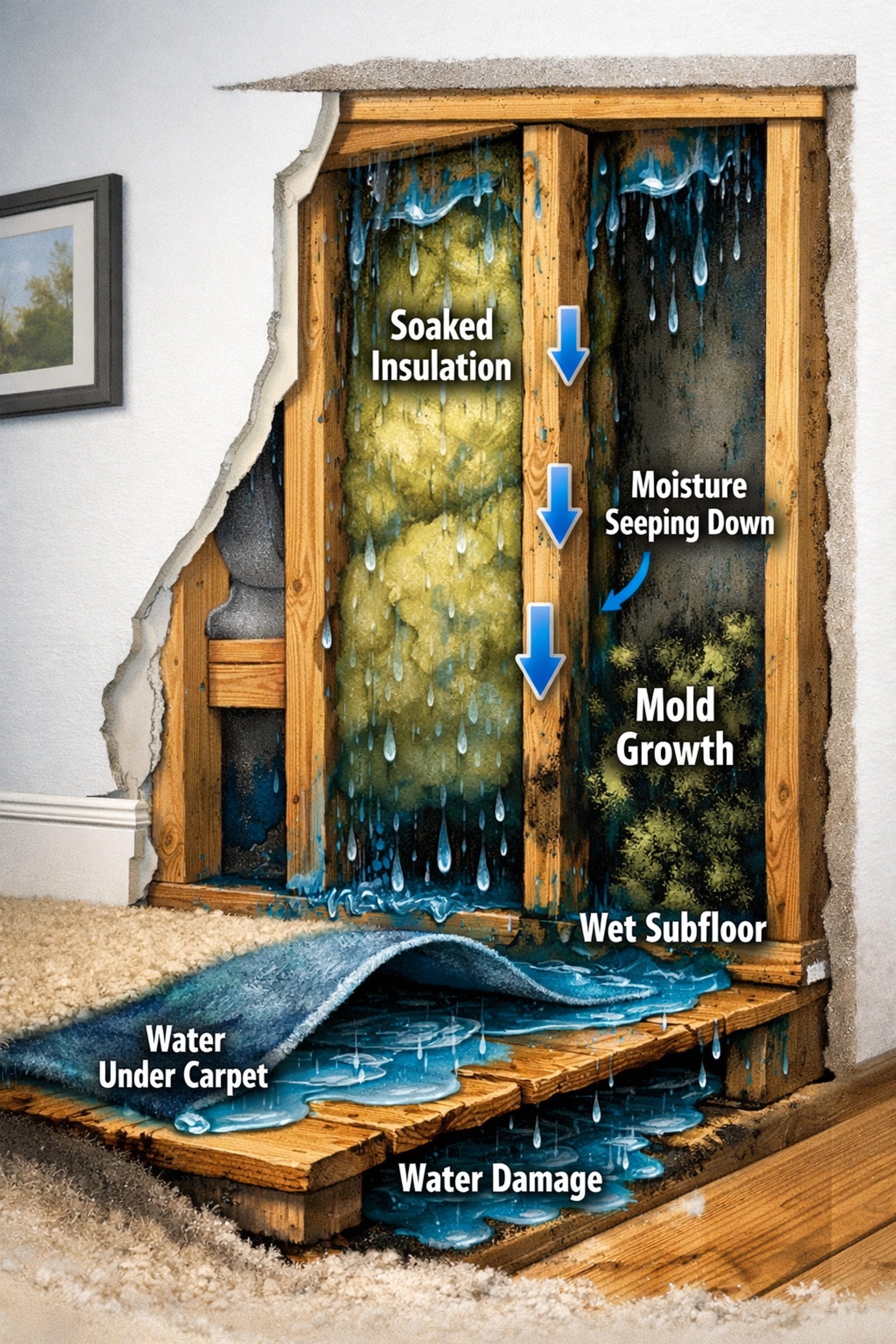
Water travels. It follows gravity, seeps through cracks, and finds every hidden space in your home. That small leak might have water sitting in your wall cavity right now. Your flooring might look okay, but the subfloor underneath could be soaked and starting to rot. Insulation holds water like a sponge, and wet insulation is useless insulation.
The fix: Proper water damage restoration includes inspecting everything, and we mean everything. Professionals remove baseboards to check behind walls, lift carpet to examine padding and subflooring, and use moisture detection equipment to scan areas you'd never think to check. Sometimes materials like drywall and insulation need to be removed and replaced because they're too compromised to save. Yeah, it's invasive, but it's way better than discovering mold growing in your walls six months from now.
What's happening: Once the water's gone and things are dry, you figure you're all set. Time to move the furniture back and call it a day.
Not quite. Depending on where the water came from: burst pipe, sewage backup, flood water: you're dealing with potential contaminants, bacteria, and odors that drying alone won't fix. Even clean water can pick up all sorts of nasty stuff as it travels through your home. Without proper cleaning and sanitization, you're left with health risks and smells that won't quit.
The fix: Professional water damage restoration includes thorough cleaning and sanitization. We're talking about:
This step is especially critical if you're dealing with sewage backup or flood water. Those situations require biohazard-level cleaning that goes way beyond what household cleaners can handle.
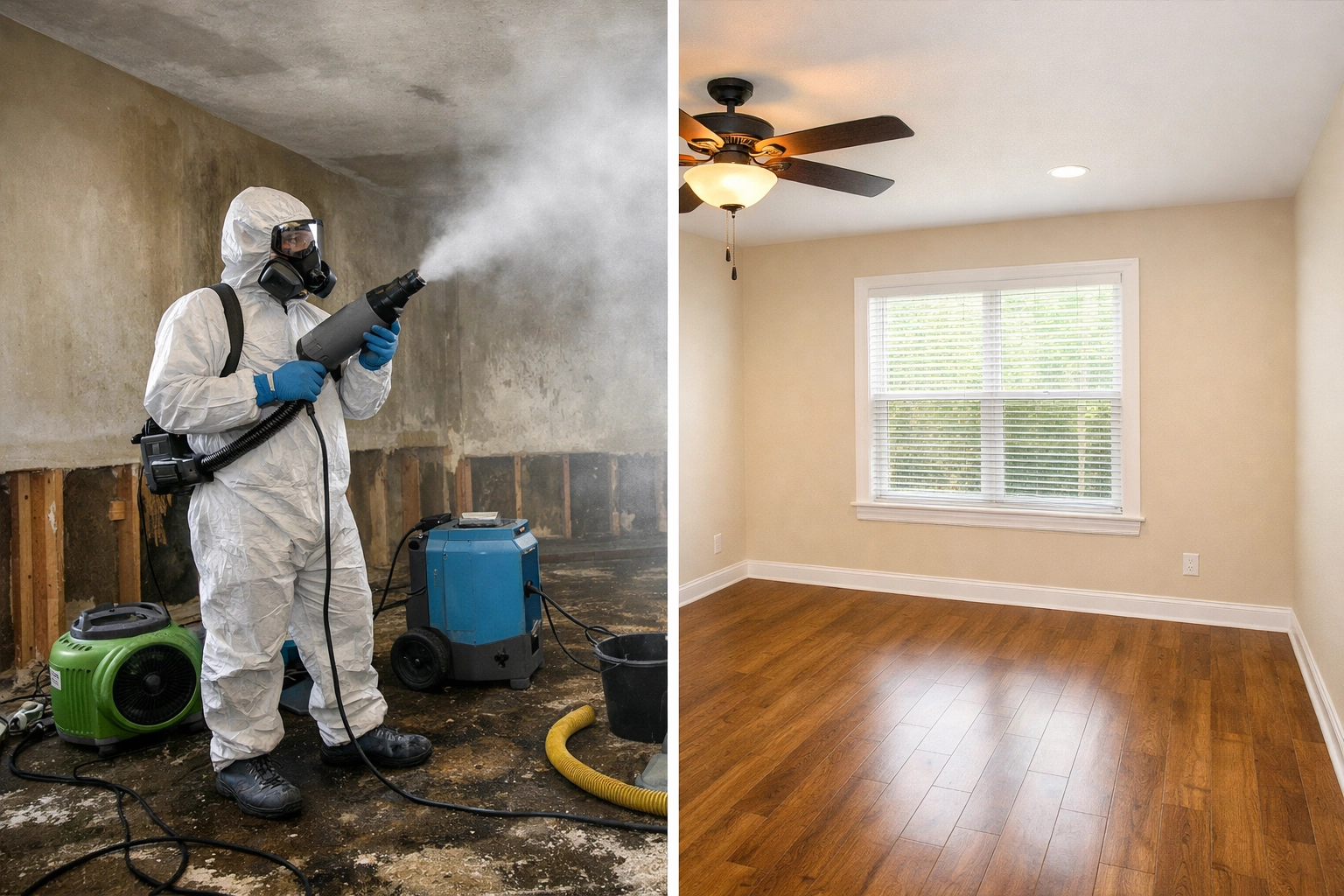
Water damage restoration isn't just about removing water: it's about protecting your home's structure, preventing mold growth, ensuring your family's health, and honestly, protecting your wallet from much bigger problems down the road.
The biggest mistake? Thinking water damage is no big deal or something you can handle on your own. The second biggest mistake? Waiting to call professionals because you're worried about the cost. Trust us: proper water damage restoration now costs way less than dealing with mold remediation, structural repairs, or fire damage restoration from electrical issues later.
If you're dealing with water damage in Bucks County, Chester County, or Berks County, don't wait. Don't guess. And definitely don't try to tough it out with your household fans and fingers crossed. Call the pros, get it done right, and sleep better knowing your home is actually dry, clean, and safe.
Got questions about water damage? Noticed something that looks suspicious? Reach out to My Water Damage Hero and let's get your home back to normal( the right way.)
Contact us for quick, trusted restoration.
See how we’ve turned tough situations into success stories.

