
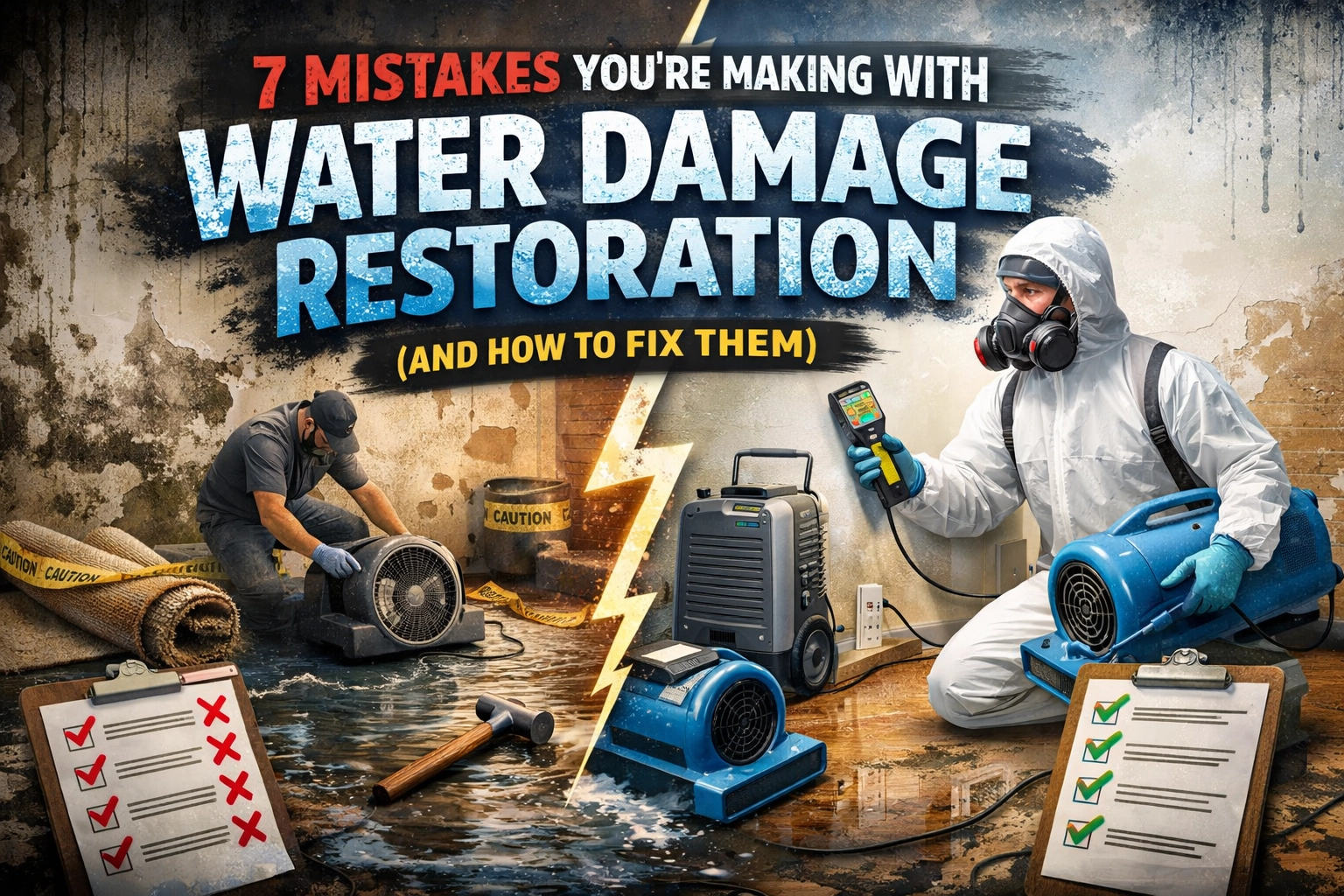
Water damage is one of those things that can go from bad to worse really fast. Whether it's a burst pipe, a leaky roof, or a flooded basement, how you handle the first few hours makes all the difference between a minor headache and a major disaster.
The problem? Most homeowners make the same critical mistakes when dealing with water damage restoration. These slip-ups can cost you thousands of dollars, create health hazards, and turn a fixable situation into a renovation nightmare.
Let's walk through the seven biggest mistakes people make, and more importantly, how to fix them.
Here's the thing about water damage: time is not your friend. A lot of homeowners see the water, grab a few towels, and figure they'll deal with it properly "tomorrow" or "this weekend."
Bad idea.
Mold can start growing in as little as 24 to 48 hours. And water? It doesn't just sit there politely, it spreads through your walls, floors, and furniture like it's on a mission.
The fix: Act immediately. Like, right now. The faster you start the water damage restoration process, the less damage you'll have to deal with later. If it's more than a small spill, call in professionals who can get started while the clock is still on your side.
We get it: you're handy. You've got a wet/dry vacuum in the garage and a couple of box fans. You figure you can handle this yourself and save some cash.
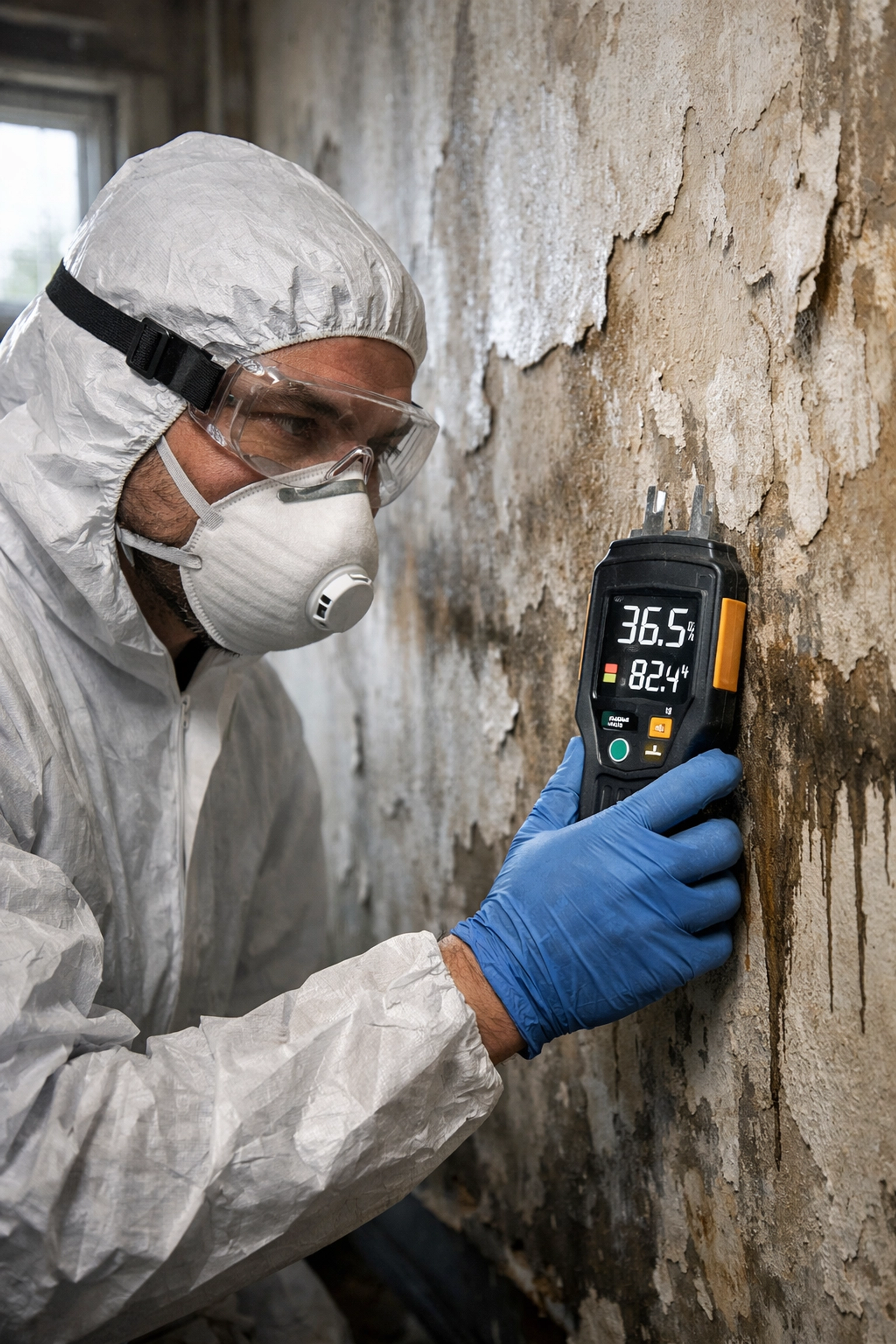
But here's the reality: household equipment just isn't designed for serious water damage restoration. Those fans you're using? They're actually pushing water deeper into your carpet padding and subfloor instead of removing it. And that shop vac? It's no match for the gallons of water hiding in places you can't even see.
The fix: Industrial-grade equipment exists for a reason. Professional water damage restoration teams use commercial dehumidifiers, powerful air movers, and moisture meters that can actually tell if your walls are dry or just look dry. This isn't the time to DIY your way through it.
Here's a scary thought: the water damage you can see is usually just the tip of the iceberg.
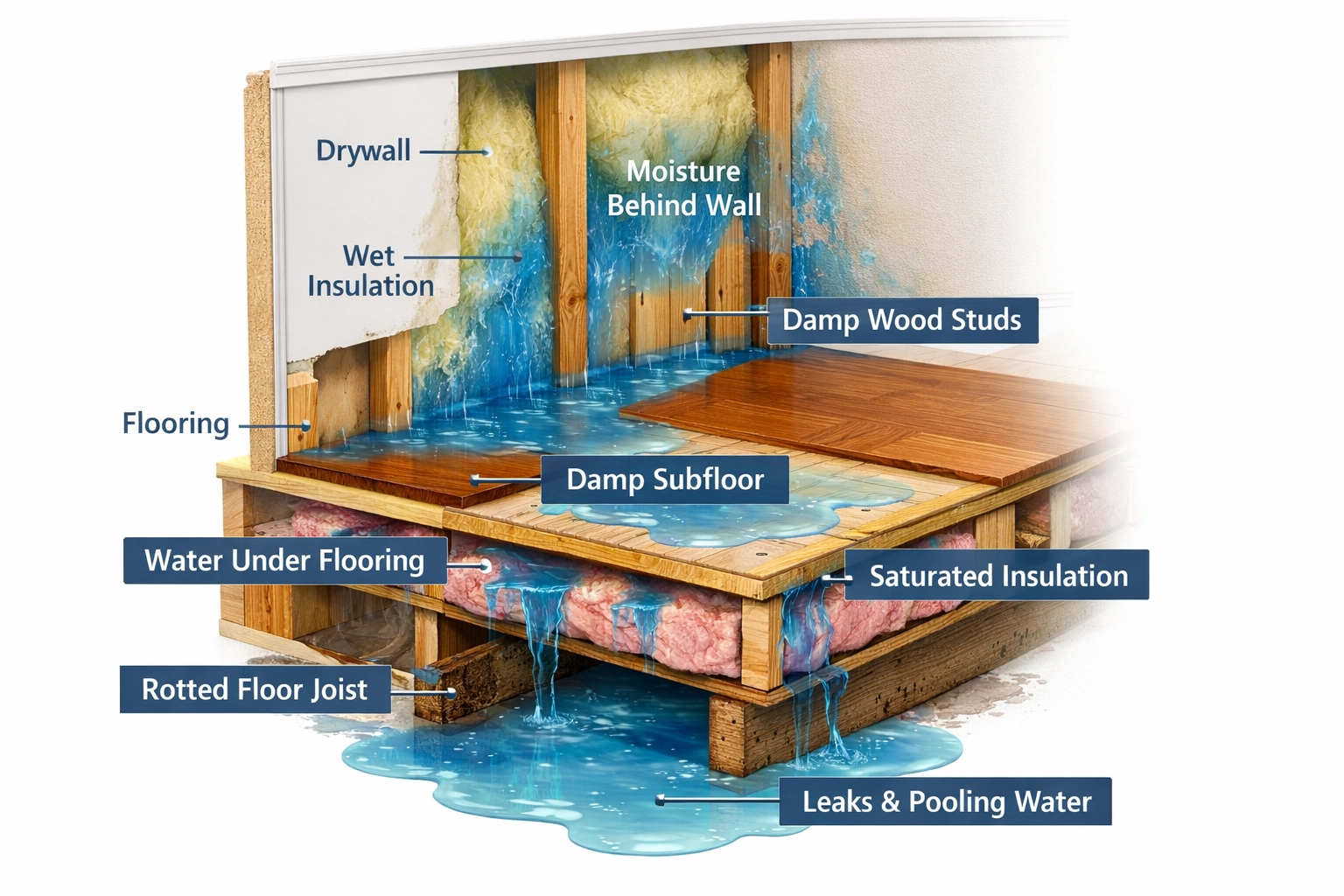
Water loves to hide. It seeps behind walls, under flooring, and into insulation. You might mop up everything you can see and think you're done, but meanwhile, there's a wet mess creating a perfect breeding ground for mold inside your walls.
The fix: A thorough inspection is non-negotiable. Professionals use moisture meters and infrared cameras to find hidden water pockets before they turn into bigger problems. What looks like a small leak on the surface might actually be a major issue lurking where you can't see it.
So you've mopped the floor. Maybe you even ran the shop vac a few times. The surface looks pretty dry, so you call it done.
Not so fast.
Incomplete water extraction is one of the biggest mistakes in water damage restoration. Those hidden moisture pockets we mentioned? They don't go away just because you can't see them anymore. They sit there, weakening your home's structure and inviting mold to move in rent-free.
The fix: Water extraction needs to be thorough: and that means getting water out of places you didn't even know it could reach. Professional equipment can pull water from deep within carpets, padding, subflooring, and wall cavities. If you're serious about protecting your home, don't stop at surface-level cleanup.
Drying seems simple enough, right? Just get some air moving and wait for things to dry out.
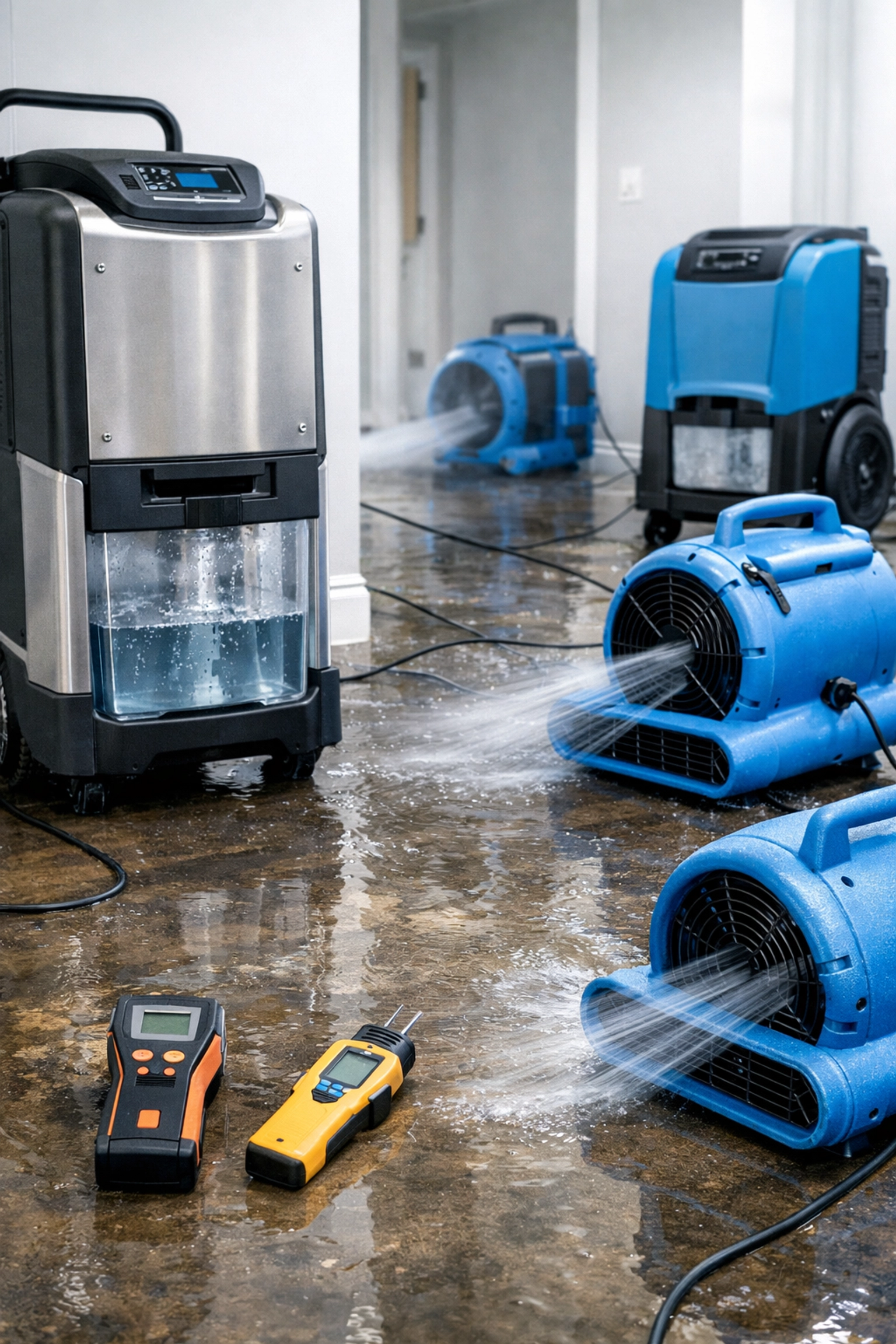
Except it's not that simple. Opening windows and setting up a few fans might work for a small spill, but for real water damage? You need controlled drying. Dry things too fast with excessive heat, and you'll warp your wood floors. Don't dry them thoroughly enough, and you'll create the perfect environment for mold growth.
The fix: Proper drying techniques involve industrial dehumidifiers working alongside strategically placed air movers at controlled temperatures. It's not about blasting everything with heat: it's about creating the right conditions for safe, complete drying. And here's the important part: you need to test the moisture levels afterward to make sure everything is actually dry, not just dry-ish.
Let's talk about something that doesn't get enough attention: just drying things out isn't enough.
Water damage often brings contaminants with it: especially if we're talking about sewage backups or flooding from outside. Even "clean" water can pick up bacteria and create odors as it sits. If you only focus on drying without proper cleaning and sanitization, you're leaving health hazards behind.
The fix: Professional water damage restoration includes cleaning, disinfecting, and deodorizing affected areas. This means treating surfaces to kill bacteria, purifying the air, and completely eliminating odors rather than just covering them up. Your home shouldn't just be dry: it should be safe and healthy to live in.
Here's the biggest mistake of all: cleaning up water damage without figuring out what caused it in the first place.
You can restore everything perfectly, but if that leaky pipe is still leaking or that roof is still damaged, you're just going to deal with the same problem again. And again. And probably again after that.
The fix: Always identify and repair the source of the water damage. Whether it's a burst pipe, a roof leak, a faulty appliance, or foundation issues, you need to fix the root cause before you can truly fix the damage. Otherwise, you're just putting a Band-Aid on a problem that needs stitches.
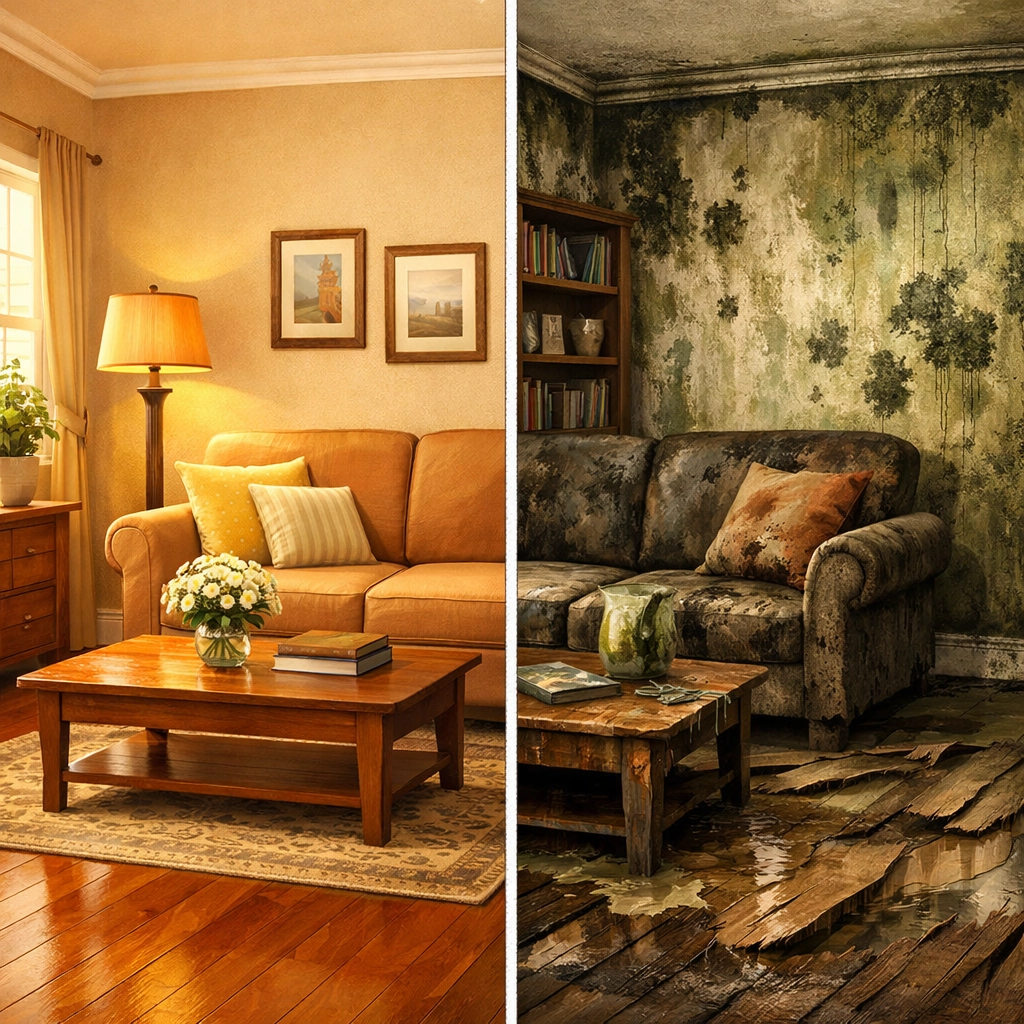
Look, we understand the temptation to handle water damage restoration yourself. You want to save money, and how hard can it really be?
But here's the truth: incomplete restoration work leads to bigger, more expensive problems down the road. Missed water damage. Mold growth. Structural issues. Health concerns. These aren't things you want to gamble with.
Professional water damage restoration teams have the training, equipment, and experience to assess the full scope of damage and execute a complete restoration plan. They can find hidden problems before they become disasters, use the right techniques to prevent secondary damage, and make sure your home is truly restored: not just temporarily patched up.
At My Water Damage Hero, we've seen what happens when water damage isn't handled correctly. We've also seen how the right approach from the start can save homeowners thousands of dollars and months of headaches.
Water damage restoration isn't just about cleaning up water. It's about protecting your home, your health, and your investment. Don't let these common mistakes turn a manageable situation into a long-term nightmare.
Need help with water damage? Don't wait: every hour counts. Reach out to professionals who can get it done right the first time.
Contact us for quick, trusted restoration.
See how we’ve turned tough situations into success stories.

