
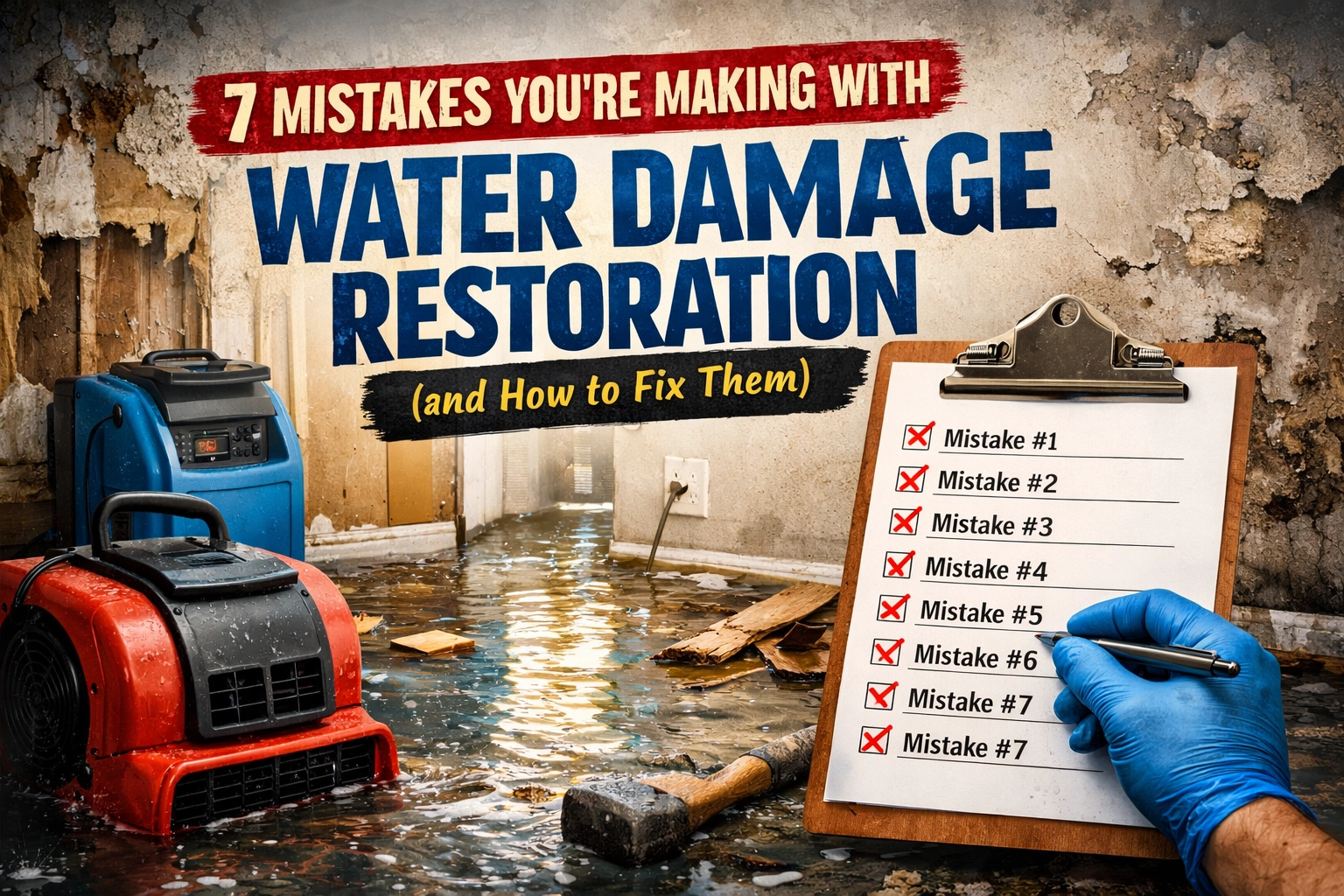
Hey there! I'm Tonya, and if you’re reading this, you might be staring at a soggy carpet or a dripping ceiling. First off, take a deep breath. We’ve seen it all at My Water Damage Hero, and we know exactly how stressful this is. Whether it’s a burst pipe, a leaky roof, or a dishwasher that decided to go rogue, water damage is a total headache.
But here’s the thing: what you do in the next few hours and days makes a huge difference. Sometimes, in a rush to fix things, homeowners make mistakes that actually end up costing them way more money and stress in the long run.
We want to help you avoid those "oh no" moments. Here are the 7 most common mistakes people make with water damage restoration and, more importantly, how you can fix them.
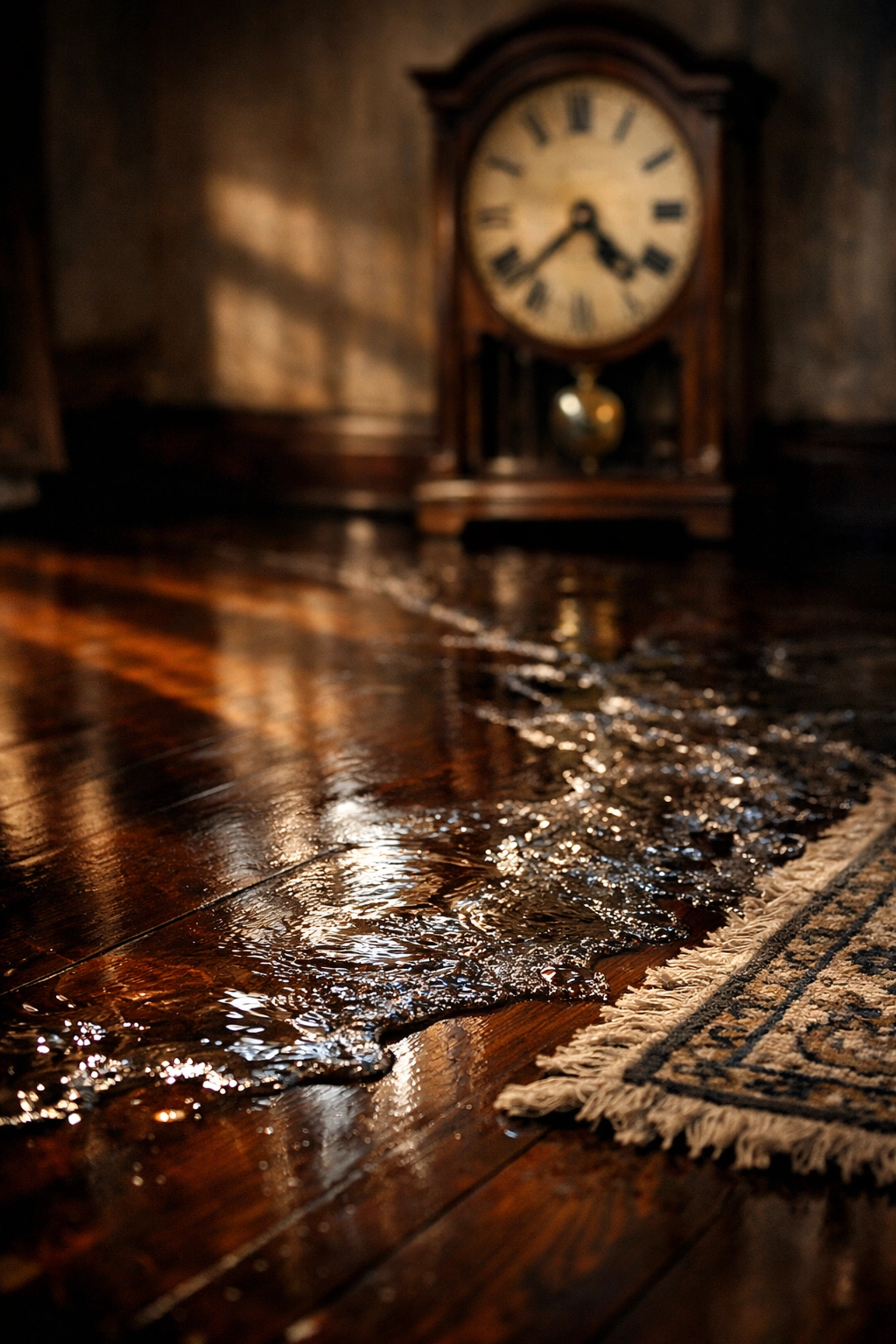
We get it. Life is busy. You see a little puddle or a damp spot on the drywall and think, "I'll handle that on Saturday when I have more time."
The Mistake: Delaying action is the number one reason a small leak turns into a massive disaster. Water doesn't just sit there; it travels. It seeps into your floorboards, crawls up your insulation, and soaks into your furniture. Most importantly, mold can start growing in as little as 24 to 48 hours. Once mold takes hold, you're looking at a much more complicated mold remediation process.
How to Fix It: Act immediately. As soon as you spot water where it shouldn't be, start the cleanup. If you can’t do it yourself, call in the pros right away. The faster you start the water damage restoration process, the less chance you have of structural rot and health-hazardous mold.
It’s tempting to grab every towel in the linen closet and turn on your old ceiling fan. You might even break out the household Shop-Vac and think you’ve got it covered.
The Mistake: Typical household fans and vacuums aren't designed for restoration. A regular fan just moves humid air around; it doesn't actually remove moisture from deep within your walls or carpets. If you don't get the moisture out of the padding under your carpet, you're basically creating a giant petri dish for bacteria.
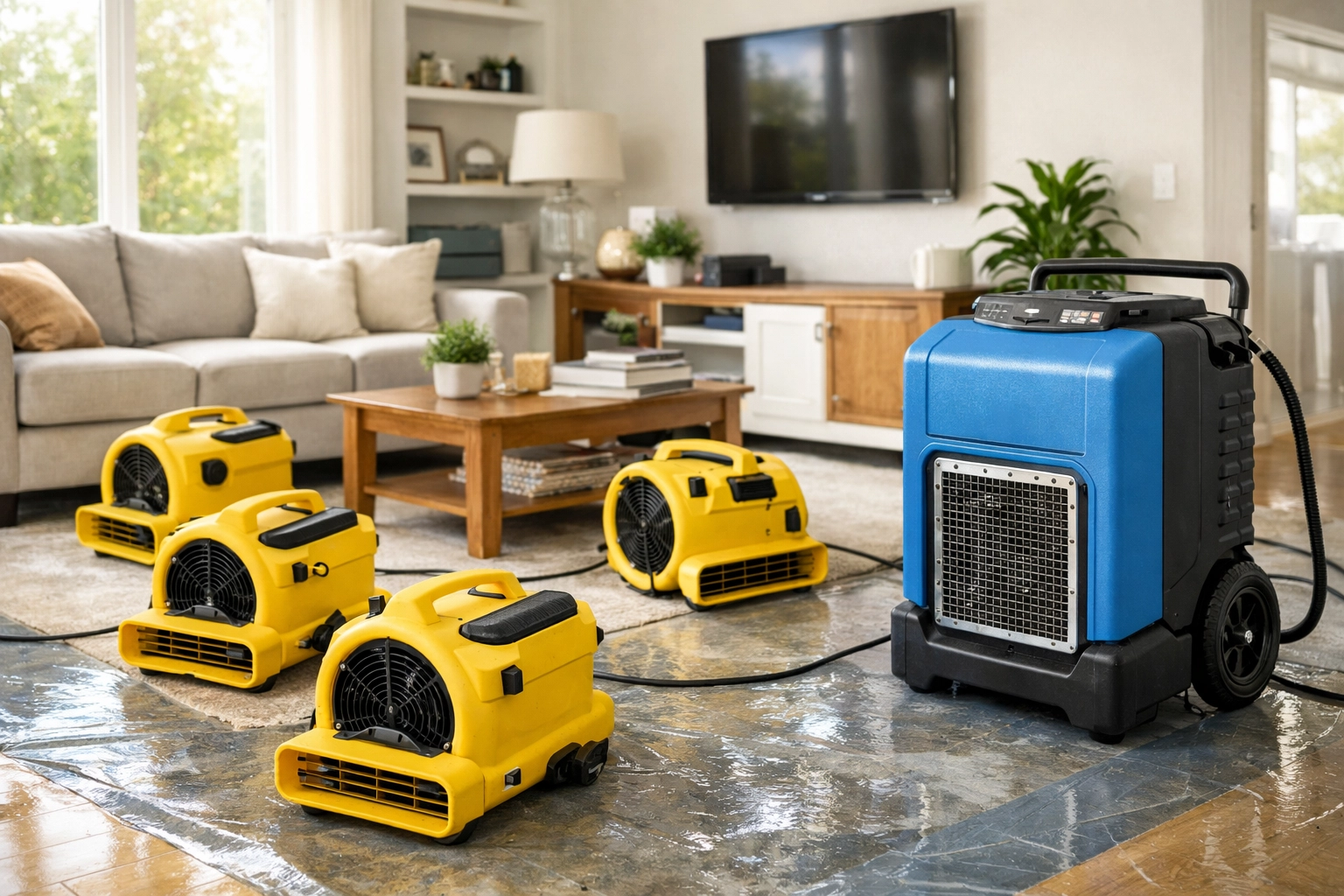
How to Fix It: Professional restoration requires industrial-grade equipment. We’re talking high-speed air movers, LGR (Low Grain Refrigerant) dehumidifiers, and heavy-duty extractors. These tools don't just dry the surface; they pull moisture out of the air and the materials themselves. If you’re doing a DIY dry-out, at least rent professional-grade gear. And don’t forget about your HVAC system: sometimes air duct cleaning is necessary if moisture or mold spores have made their way into your vents.
If the floor looks dry, it’s dry, right? Not exactly.
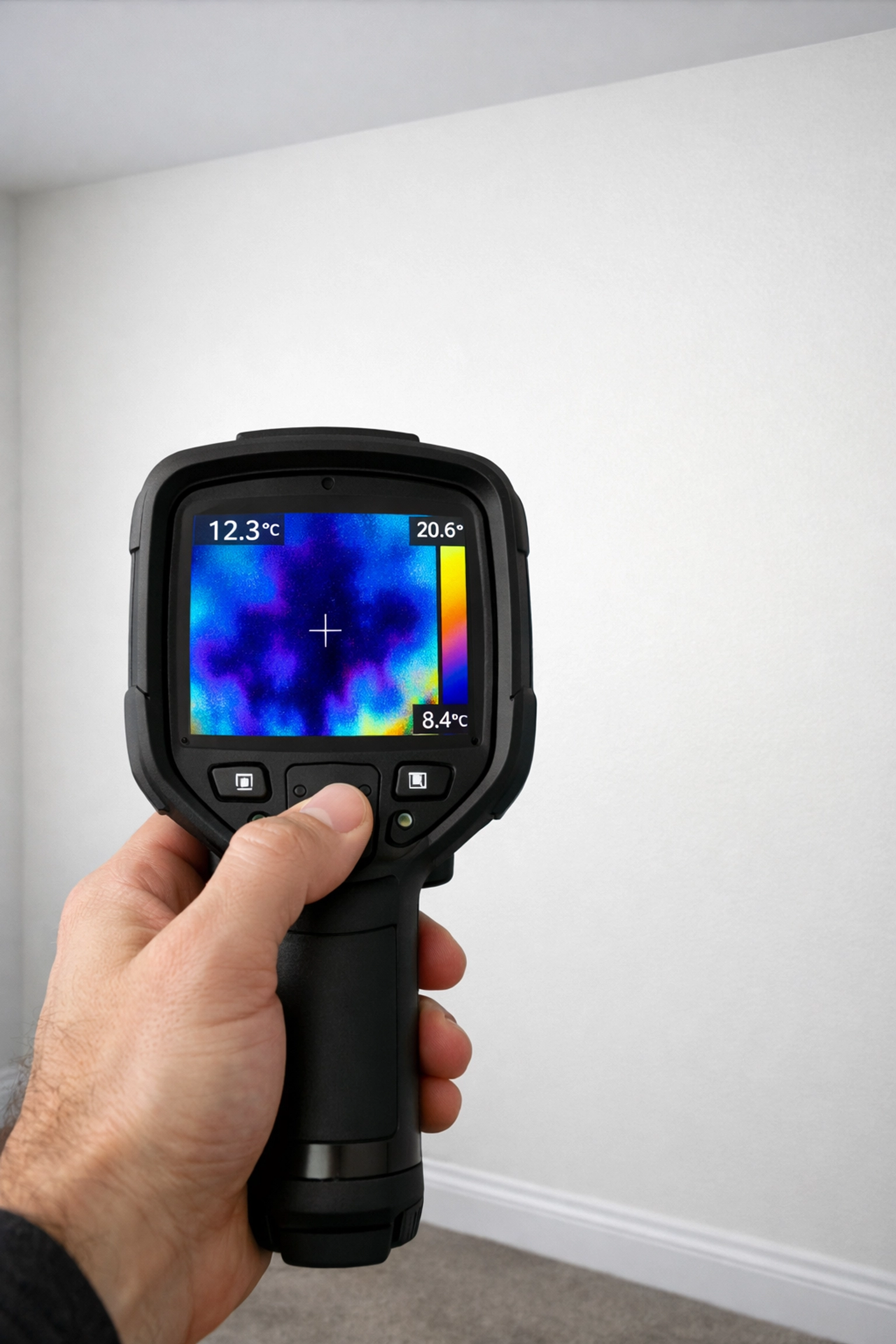
The Mistake: Water is sneaky. It loves to hide behind baseboards, under laminate flooring, and inside wall cavities. Just because a surface feels dry to the touch doesn't mean the structure underneath isn't soaking wet. Overlooking hidden damage leads to wood rot, crumbling drywall, and hidden mold colonies that can make your family sick.
How to Fix It: You need to "see" through walls. Professionals use moisture meters and infrared thermal imaging cameras to find hidden pockets of water. If you’re handling a leak yourself, don't just dry the carpet: check the subfloor. If you suspect moisture stayed trapped for more than two days, you should definitely look into mold remediation services to ensure nothing fuzzy is growing where you can’t see it.
A lot of people think that once the area is dry, the job is done.
The Mistake: Water is rarely "clean." Even if it came from a clean tap, once it touches your floor, it picks up dirt, bacteria, and allergens. If the water came from a backup or a flood, it's even worse. Simply drying the area leaves behind contaminants that can cause odors and health issues. This is a common oversight in fire damage restoration too, where people focus on the fire but forget about the water and chemical residues left behind.
How to Fix It: You have to clean and sanitize. This means using antimicrobial treatments to kill any lingering bacteria or fungi. If your carpets were soaked, a standard carpet cleaning might not be enough; you need deep disinfection. Make sure you’re using EPA-approved sanitizers that are safe for your family and pets but tough on germs.
You spent all day mopping up the bathroom floor, you dried everything out, and you feel great. Then, two weeks later, the puddle is back.
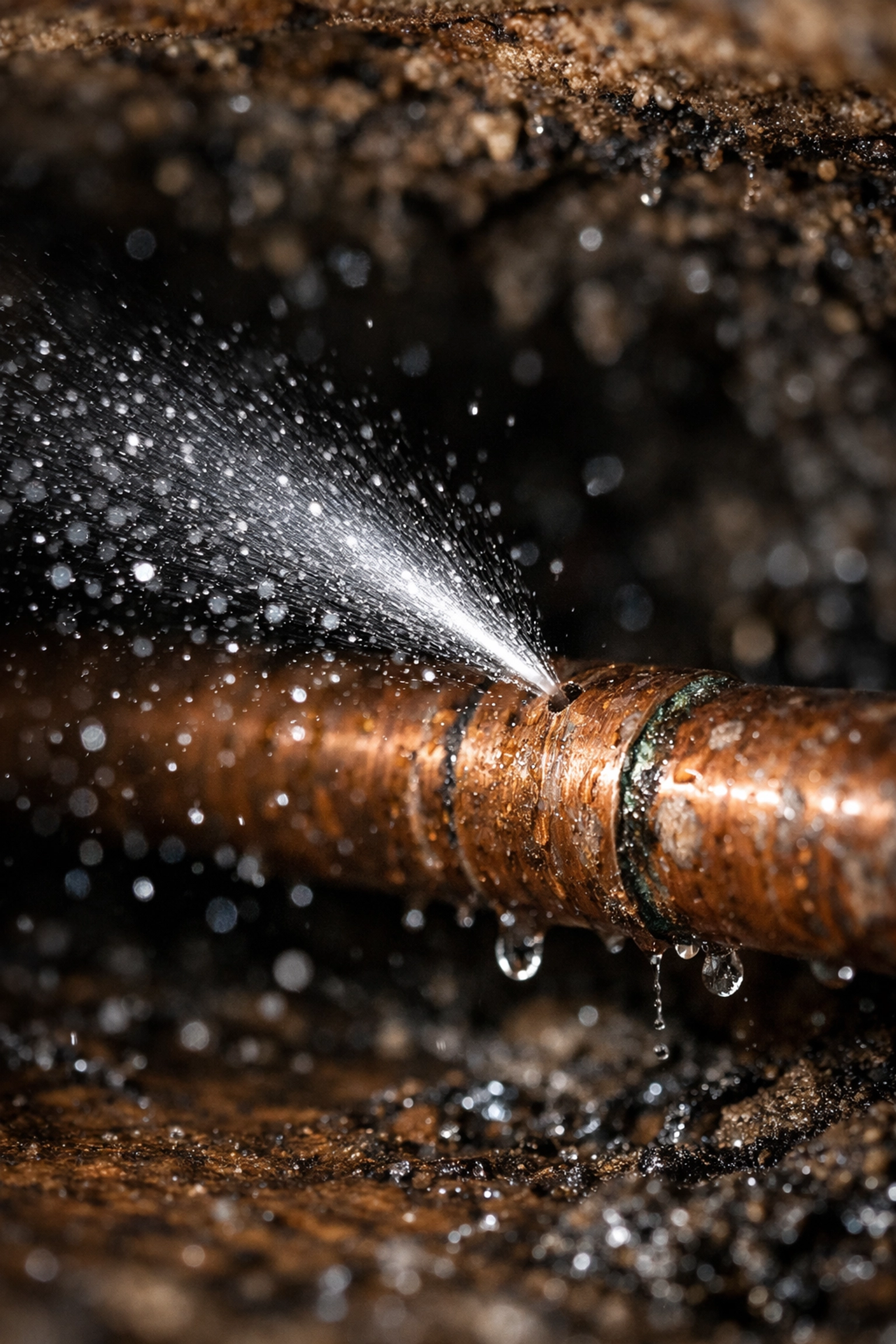
The Mistake: It sounds obvious, but many homeowners get so focused on the "mess" that they forget to find out why the mess happened in the first place. If you have a pinhole leak in a pipe or a faulty seal on a window, the water damage will keep coming back until you fix the source.
How to Fix It: Before you finish your restoration, ensure the source of the water is 100% repaired. Hire a plumber to check your pipes or a roofer to inspect your shingles. Restoration is about more than just drying; it's about prevention. If you’ve dealt with a fire, for example, your fire damage restoration plan should include checking for compromised seals or structural cracks that could let water in later.
You might think that blasting the heat and putting a blow dryer directly on your hardwood floors is the fastest way to get things back to normal.
The Mistake: Believe it or not, you can dry things too fast or with too much direct heat. Excessive heat can cause wood floors to warp, buckle, or "cup." It can also cause materials like drywall to crack. Paradoxically, high heat in a humid room without proper dehumidification can actually speed up mold growth.
How to Fix It: The goal is "controlled" drying. You want a balance of high-volume airflow and powerful dehumidification. It’s better to have a steady, cool-to-warm airflow over a longer period than to blast high heat for an hour. Keep the air moving, but let the dehumidifier do the heavy lifting of pulling the moisture out of the air.
We love a good DIY project as much as anyone, but water damage restoration is one of those times where a mistake can cost you tens of thousands of dollars in home value.
The Mistake: Many homeowners avoid calling professionals because they’re worried about the cost. However, DIY efforts often lead to secondary damage (like mold or structural failure) that insurance might not cover if the initial "fix" wasn't done properly.
How to Fix It: Know when to call in the "Heros." If the water covers a large area, if it’s "black water" (from a sewer), or if it has been sitting for more than 24 hours, you need professional help. We have the training to handle everything from carpet cleaning to full-scale mold remediation. Plus, professional companies know how to work with your insurance company to make sure your claim is handled correctly, which usually saves you money in the end.
When we think of water damage, we think of floors and walls. But your air quality takes a hit too. Damp environments can send mold spores and dust mites into your HVAC system. Once you’ve finished the structural drying, it’s a great idea to schedule air duct cleaning. This ensures that the air you’re breathing is just as clean as your newly dried home.
Dealing with water damage is never fun, but it doesn't have to be a permanent disaster. By acting fast, using the right gear, and making sure you’re cleaning as well as drying, you can get your home back to normal faster than you think.
If you’re feeling overwhelmed or just want to make sure the job is done right the first time, give us a shout at My Water Damage Hero. We’re here to help you navigate everything from small leaks to complex fire damage restoration and mold remediation.
Stay dry out there!

Contact us for quick, trusted restoration.
See how we’ve turned tough situations into success stories.

