March 05, 2026
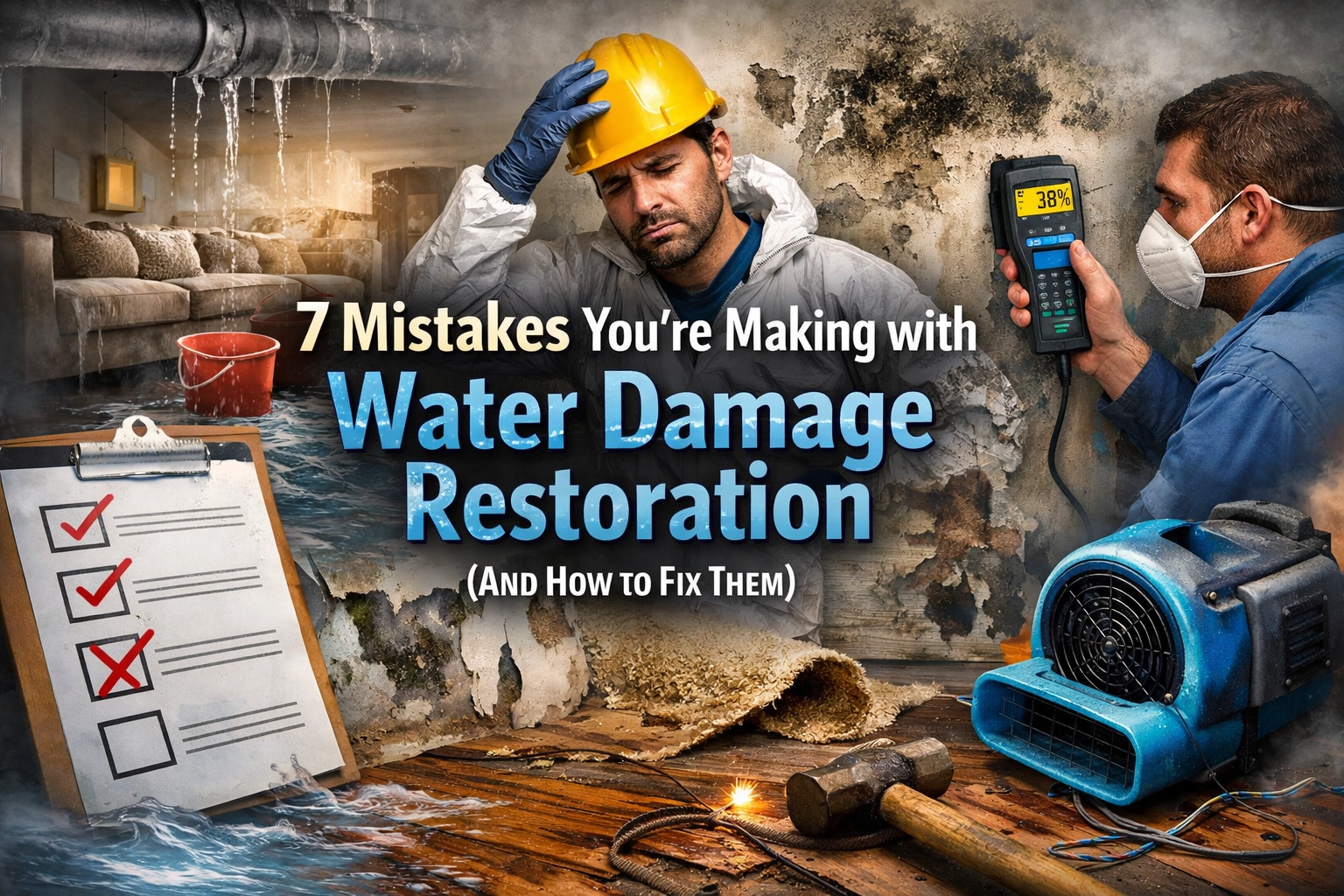
7 Mistakes You’re Making with Water Damage Restoration (And How to Fix Them)

Water damage is one of those homeowner problems that starts small and turns into a full-blown mess fast. A little leak under the sink becomes warped cabinets. A “minor” overflow turns into stained drywall and that weird musty smell you can’t un-smell.

The good news: a lot of the expensive stuff happens because of a handful of common mistakes. Here are 7 of the biggest water damage restoration slip-ups we see: plus simple ways to fix them before you end up needing a bigger repair (or dealing with mold remediation and fire damage restoration-level costs later).


1) Waiting too long to act

The mistake: You notice wet carpet, a water spot on the ceiling, or a puddle near the washer…and decide you’ll deal with it after work, after the weekend, after “one more thing.” Totally normal. Also totally risky.

Water spreads quickly into:

  • drywall and insulation
  • subfloors and baseboards
  • cabinets and trim
  • carpet padding (which holds moisture like a sponge)

And once materials stay damp long enough, mold can start growing surprisingly fast.

How to fix it (fast plan):

  • Stop the water if you can (shut off the valve, turn off the water main, stop using the appliance).
  • Move items off wet floors (rugs, boxes, furniture legs on wood floors).
  • Start extraction right away: wet/dry vac, towels, mop, whatever you have.
  • Call a pro early for water damage restoration if it’s more than a tiny spill. Professionals can often save materials when they arrive quickly.

Homeowner tip: If the water has been sitting for more than a few hours, assume it’s already traveled farther than you can see.


2) Cleaning up the water…while ignoring the root cause

The mistake: You dry the floor and run a fan, but you never figure out why the water showed up. Then it happens again. And again.

Common root causes include:

  • slow pipe leaks in walls or under sinks
  • roof leaks (especially after storms)
  • clogged gutters causing water to back up
  • appliance hoses failing (dishwasher, washer, fridge line)
  • sump pump issues or foundation seepage

How to fix it:

  • Track the source before you rebuild or replace anything.
  • If it’s plumbing, bring in a plumber. If it’s the roof, bring in a roofer.
  • If the source isn’t obvious, a restoration team can often help identify patterns and moisture paths during the water damage restoration inspection.

Quick check list:

  • Look under sinks and behind toilets
  • Check appliance supply lines and drain hoses
  • Inspect ceilings below bathrooms
  • Walk the exterior and look for pooling near the foundation

3) Missing hidden water damage (the stuff you can’t see)

The mistake: You dry what you can see and assume you’re done. But water loves to travel behind walls, under flooring, and into insulation. That’s where mold and structural issues quietly get started.

Hidden moisture often ends up in:

  • drywall seams and baseboards
  • under tile (especially if grout is cracked)
  • under laminate/engineered wood
  • carpet padding
  • HVAC returns and ductwork

How to fix it:

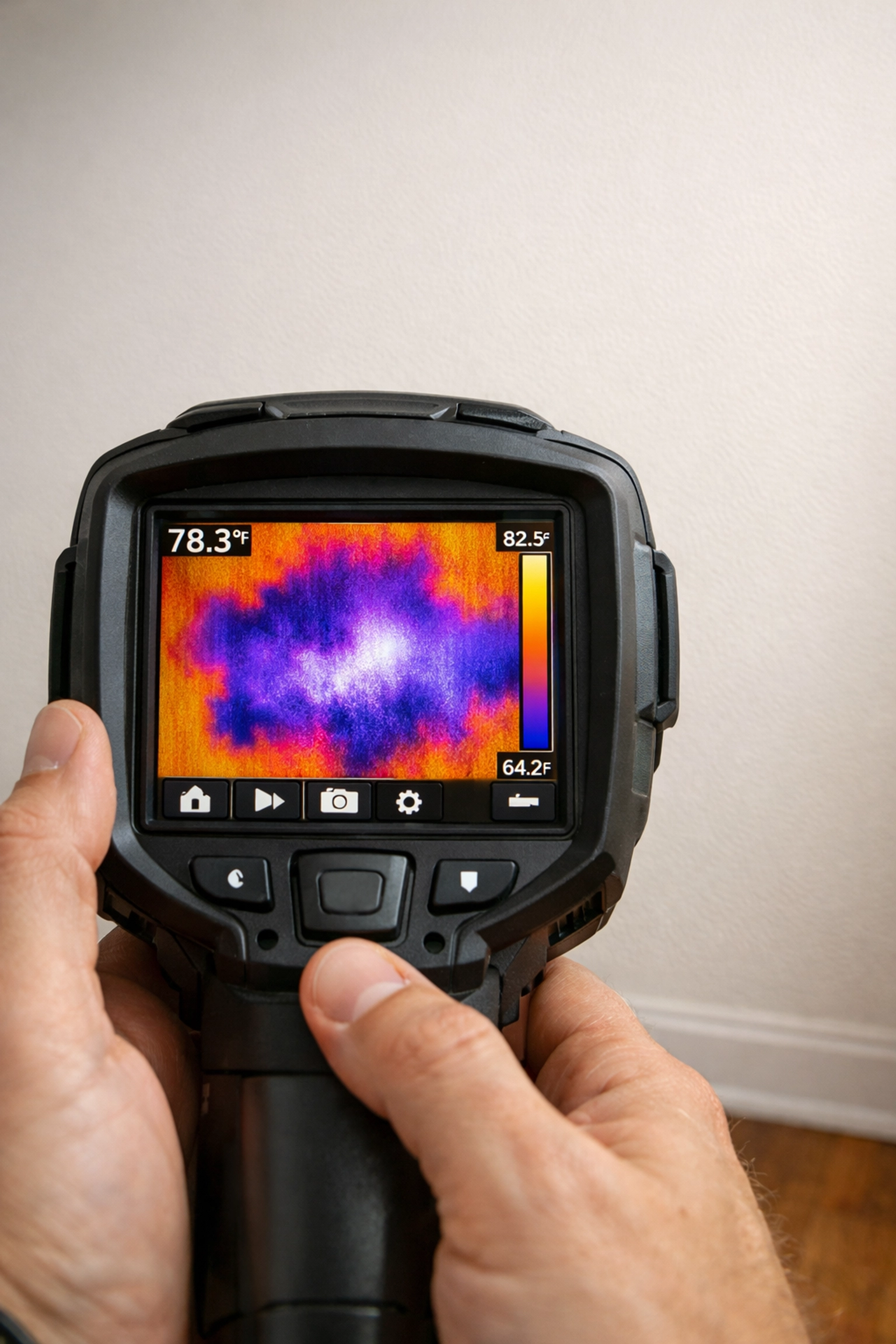
  • Use moisture meters and (when needed) infrared cameras to find damp areas behind surfaces.
  • Don’t guess. If a room smells musty, feels humid, or the floor feels “spongy,” there’s a good chance moisture is trapped.

Infrared camera detecting hidden moisture behind a wall during water damage restoration to prevent mold remediation.

Why this matters for mold remediation: Mold doesn’t need a flood to start. It needs moisture and time. Hidden dampness is basically an invitation.


4) Using the wrong equipment (or not enough of it)

The mistake: A box fan and an open window feel like a good start, but they usually don’t solve deep moisture. Sometimes they even make things worse: like pushing damp air around without actually removing it.

Household tools often can’t:

  • pull moisture from padding, subfloors, or wall cavities
  • lower humidity enough to stop mold growth
  • dry evenly (you end up with “dry on top, wet underneath”)

How to fix it:

  • Use proper drying gear:
    • water extractors (not just towels)
    • air movers placed strategically (not randomly)
    • industrial dehumidifiers to actually remove moisture from the air
  • In professional water damage restoration, drying isn’t “set it and forget it.” Techs monitor moisture levels and adjust equipment placement.

Simple homeowner guideline: If you’re dealing with more than a couple of square feet, or water soaked into carpet/padding, professional equipment is usually the difference between “fixed” and “temporarily looks okay.”


5) Trying full DIY water damage restoration (when it’s beyond DIY)

The mistake: DIY is tempting: especially if the damage looks manageable. But water damage restoration is a lot more than drying what’s visible. The biggest DIY issues we see are:

  • incomplete drying
  • missed moisture behind walls/floors
  • contaminated water handled without proper safety steps
  • rebuilding too soon (trapping moisture inside)

And when moisture gets trapped, the next call often becomes mold remediation.

How to fix it:

  • DIY is okay for tiny, clean-water spills that are caught immediately (think: a knocked-over bowl, a small sink overflow).
  • Call pros for:
    • water from toilets, sewage, or outside flooding
    • water that reached walls or ceilings
    • soaked carpet and padding
    • any situation where you can’t find the source
    • anything that’s been wet for hours

Bonus: Professionals can also help document damage for insurance, which homeowners often forget until it’s too late.


6) Using excessive heat to “speed things up”

The mistake: Cranking the heat feels smart: dry things out faster, right? Not always. Too much heat can:

  • warp wood floors and trim
  • cause cracking in some materials
  • increase humidity if moisture is evaporating faster than it’s being removed
  • create conditions that can help mold grow if the air stays damp

How to fix it:

  • Focus on airflow + dehumidification, not just heat.
  • Keep indoor humidity controlled. A comfortable, controlled dry is better than a blast furnace approach.
  • If you’re not sure what to do, restoration techs use calibrated drying methods based on materials, moisture readings, and airflow patterns.

Rule of thumb: If the room feels like a sauna, you’re probably not drying correctly: you’re just making wet air hotter.


7) Skipping cleaning, sanitizing, and mold inspection

The mistake: Once the water is gone and things feel dry, it’s easy to move on. But water events often leave behind:

  • bacteria and contaminants (especially if the water wasn’t clean)
  • lingering odors trapped in porous materials
  • residue that attracts mold growth later

Even clean water from a supply line can become contaminated once it spreads through building materials.

How to fix it:
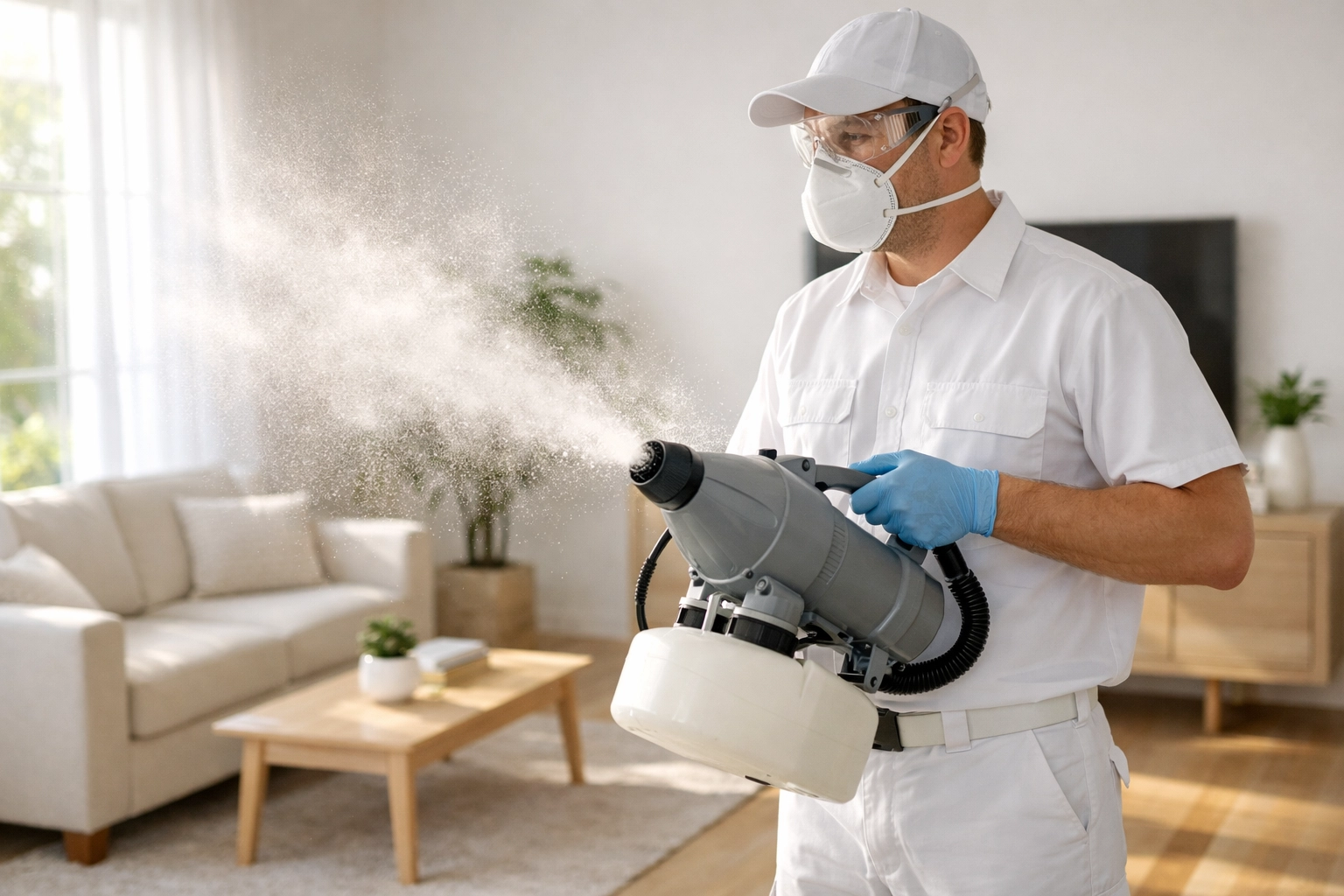
  • Clean and sanitize affected areas after extraction and drying.
  • Don’t forget soft surfaces: carpets, rugs, upholstery, curtains, and baseboards can hold odors.
  • Schedule a mold inspection if:
    • the area was wet for more than 24 hours
    • there’s a musty smell
    • you see discoloration on drywall or around baseboards
    • anyone in the home has new allergy-like symptoms

Restoration professional sanitizing a home to avoid mold remediation after water damage and carpet cleaning.

Where carpet cleaning fits in

After a water event, carpet cleaning isn’t just about looks. It can help remove:

  • odors
  • residue
  • light contamination

But here’s the catch: if the padding is soaked or the water is contaminated, cleaning the surface won’t solve the real issue. In those cases, water damage restoration may involve lifting carpet, drying the subfloor, and possibly replacing padding.


A quick “what to do now” checklist (if your home is wet today)

If you’re in the middle of it, here’s a simple order of operations:

  1. Stop the water source (shut-off valve/main, appliance off, etc.)
  2. Turn off electricity to affected areas if water is near outlets or fixtures
  3. Document damage (photos/video for insurance)
  4. Extract water (wet vac/pump/pros)
  5. Start drying (air movers + dehumidification)
  6. Check for hidden moisture (walls, floors, cabinets)
  7. Clean/sanitize and consider mold remediation evaluation

Don’t forget your HVAC: air duct cleaning after water or mold issues

A sneaky mistake homeowners make is restoring the room but forgetting the air system. If water damage affected a basement, crawl space, or any area near HVAC returns, moisture and particles can circulate.

You may want air duct cleaning if:
  • you had a musty smell that won’t go away
  • mold remediation was needed (or suspected)
  • debris/dust increased after the restoration work
  • water impacted areas near vents or returns

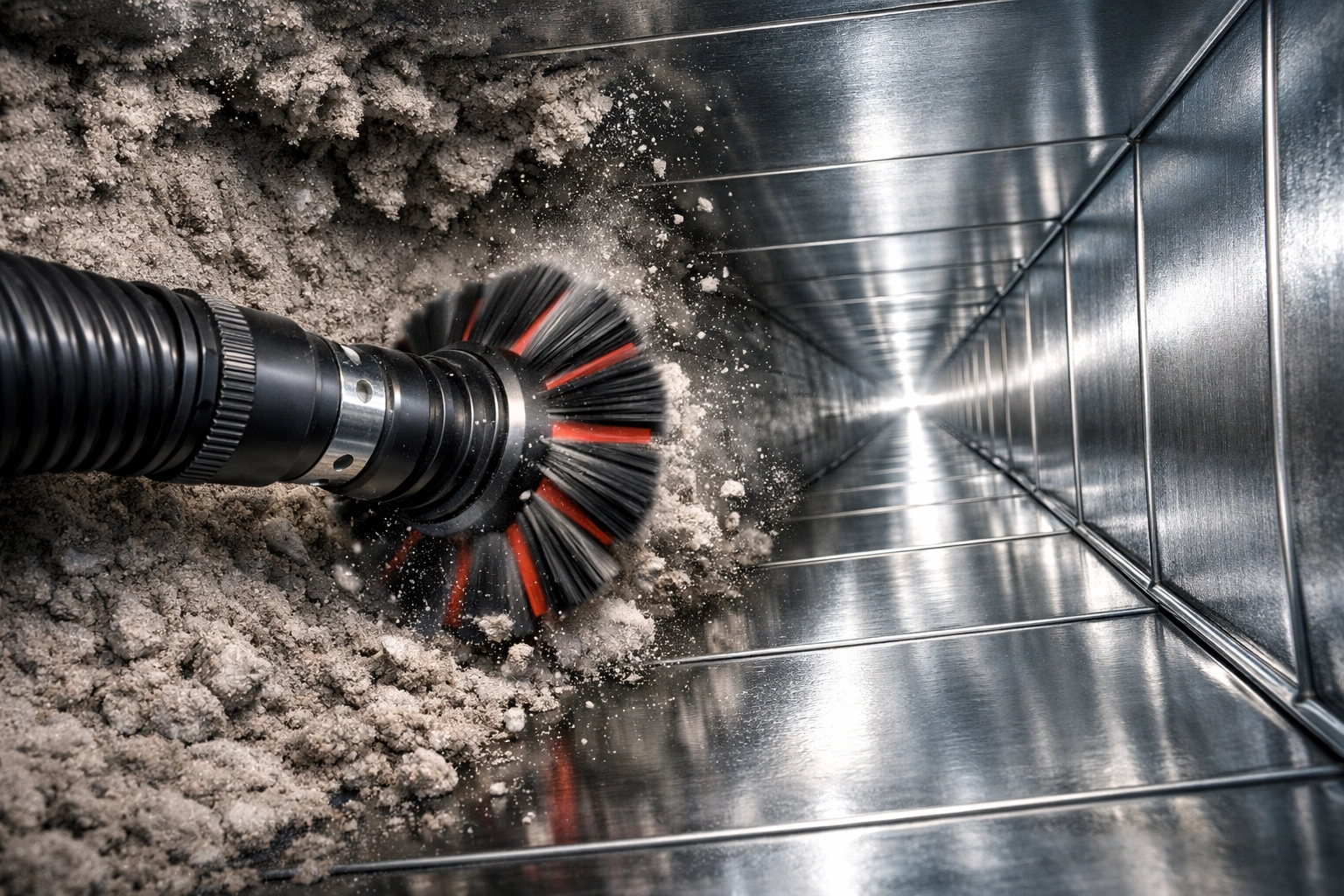
Professional air duct cleaning removing debris from vents after water damage restoration to improve home air quality.

Clean ducts won’t “fix” active moisture, but they can help with air quality after the main water damage restoration work is properly done.


One more note: water damage can lead to fire damage restoration situations, too

This sounds odd, but it happens more than people think. Water and electricity are a bad mix. After leaks or flooding, homeowners sometimes:

  • run too many fans/dehumidifiers on weak circuits
  • use damaged outlets
  • power up wet appliances or electronics

If you ever notice:

  • burning smells
  • buzzing outlets
  • tripped breakers that won’t reset
  • discoloration around outlets

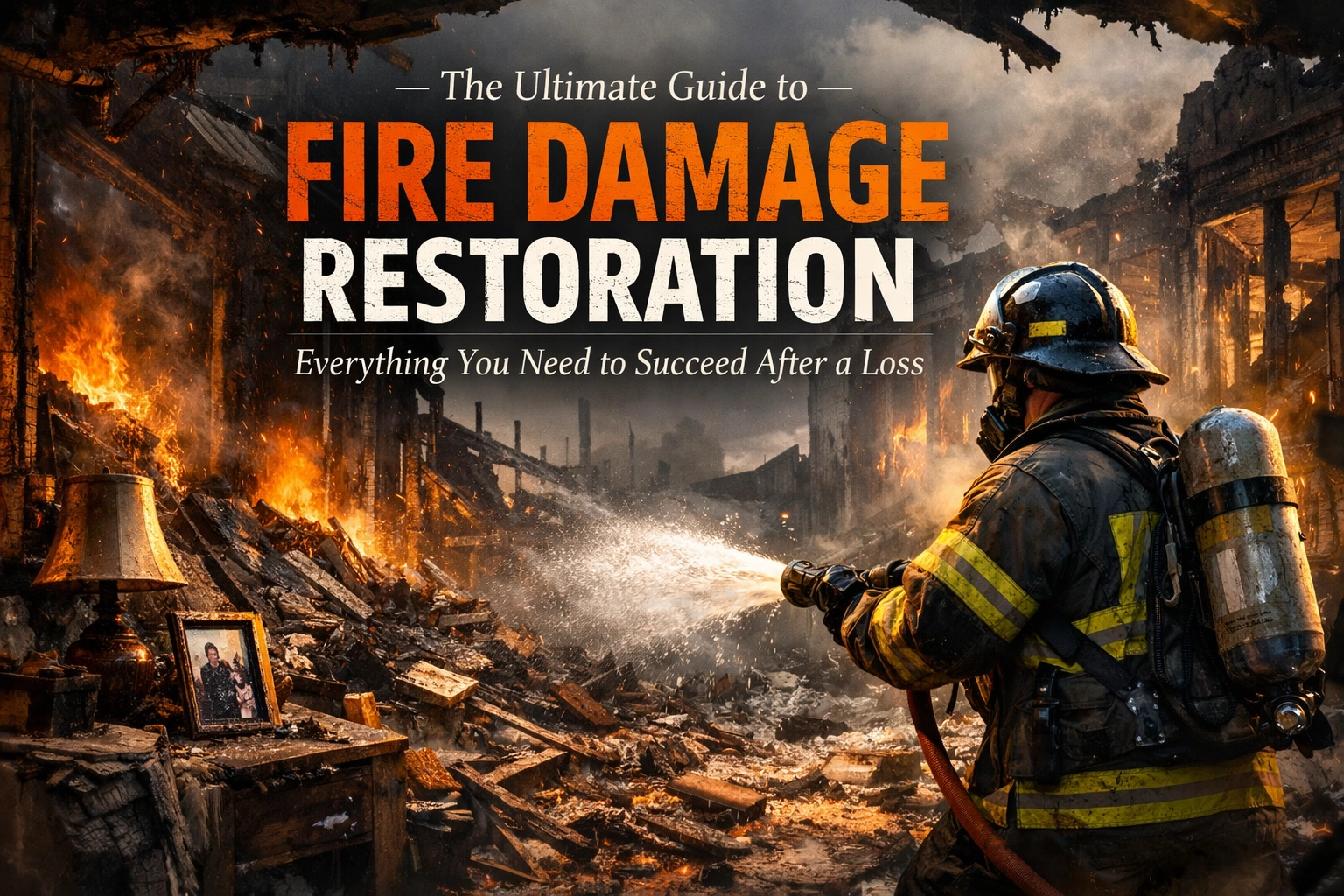
Stop and call an electrician. In worst-case scenarios, electrical issues after water exposure can escalate into situations that require fire damage restoration: so it’s worth taking seriously.


The bottom line

Most water damage restoration “failures” aren’t about bad luck: they’re about timing, hidden moisture, and incomplete drying/cleaning. Fix the source, dry it the right way, and don’t skip the sanitizing and inspection step. That’s how you avoid repeat damage, protect your home, and reduce the risk of needing mold remediation later.

If you’re dealing with water damage now (or suspect it), My Water Damage Hero can help with water damage restoration, mold remediation, carpet cleaning, air duct cleaning, and fire damage restoration support( so you can get back to normal without guessing.)
popular Tags
Don’t let disaster take control of your home.

Contact us for quick, trusted restoration.

Loved by Homeowners & Businesses Alike

See how we’ve turned tough situations into success stories.