
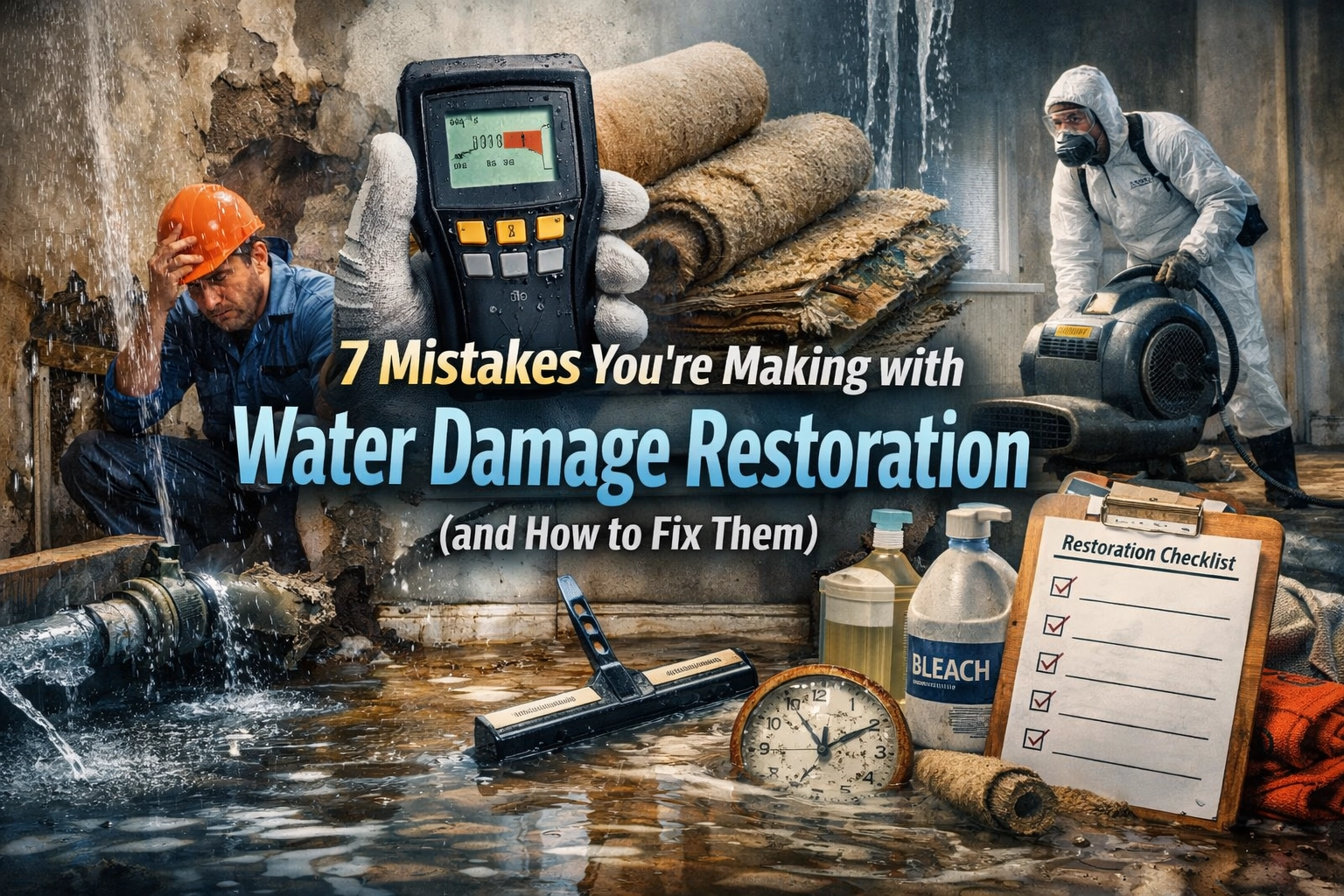
Hey there! I’m Tonya, and if you’re reading this, you might be standing in a puddle or staring at a weird yellow stain on your ceiling. First off: take a deep breath. We’ve all been there. Whether it’s a burst pipe, a leaky dishwasher, or a heavy rainstorm that decided to come inside, water damage is stressful.
At My Water Damage Hero, we see these situations every single day. The biggest thing we’ve noticed? It’s not just the water that causes the problem; it’s the mistakes homeowners make right after the "uh-oh" moment. Those little errors can turn a simple dry-out into a massive mold remediation project or even structural repairs.
Let’s walk through the seven most common mistakes people make with water damage restoration and, more importantly, how you can fix them before things get out of hand.
We get it. Life is busy. You see a wet patch on the carpet and think, "I'll deal with that on Saturday." Unfortunately, water doesn't wait for your schedule. Procrastination is the #1 enemy of your home’s structure.
The Mistake: Thinking that a little water will just "dry on its own" over a few days.
The Reality: Mold can start growing in as little as 24 to 48 hours. Once those spores take root, you aren’t just looking at a drying job; you’re looking at full-scale mold remediation. Water also wicks up into your drywall and baseboards, causing them to swell and crumble.
How to Fix It:
The second you spot water, act. If it’s a leak, turn off the main water valve. If it’s a flood, start moving furniture and getting the standing water out immediately. The faster you start the water damage restoration process, the more money you save in the long run.
You’ve run a couple of box fans for twelve hours, and you touch the carpet. It feels dry! You’re good to go, right? Not exactly.
The Mistake: Relying on your hands to tell if a room is dry.
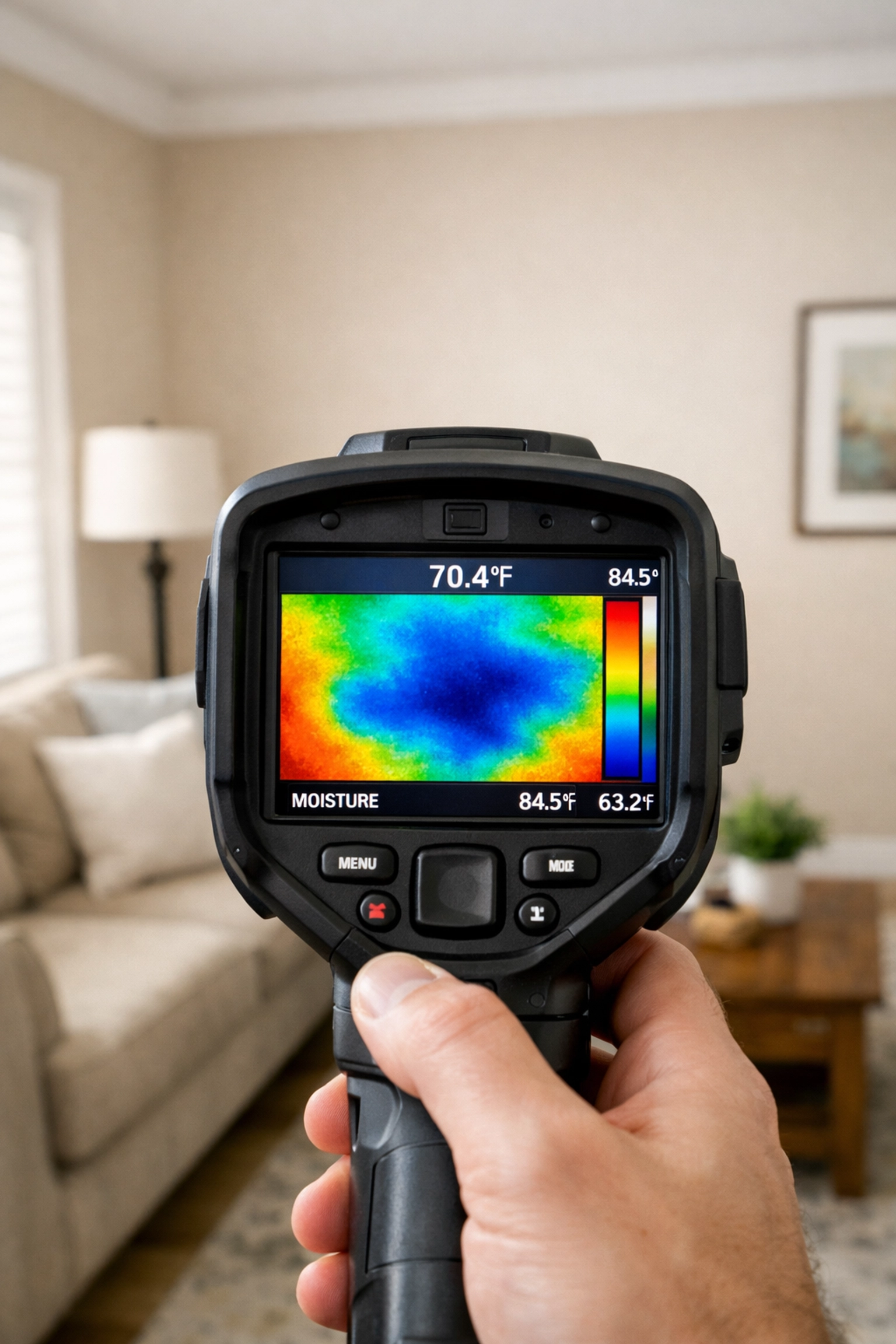
The Reality: Water is sneaky. It loves to hide. It seeps under floorboards, into the subfloor, and stays trapped behind the insulation in your walls. Even if the surface feels dry, the inside of your wall could be a swamp. This trapped moisture leads to wood rot and hidden mold colonies that you won’t smell until it’s too late.
How to Fix It:
You need professional tools. At My Water Damage Hero, we use moisture meters and infrared cameras to "see" inside the walls. If you’re doing it yourself, at least keep the fans running much longer than you think you need to. But honestly? Getting a professional assessment is the only way to be 100% sure you aren't leaving a breeding ground for bacteria.
We love a good weekend DIY project: painting a room or fixing a cabinet is great. But water damage restoration is a different beast.
The Mistake: Using a shop-vac and some old towels to handle a major flood.
The Reality: Household equipment just isn't powerful enough. A standard shop-vac might get the water off the surface, but it won't pull the moisture out of the carpet padding or the hardwood. Furthermore, without the right knowledge, you might accidentally spread contaminants around your home.
How to Fix It:
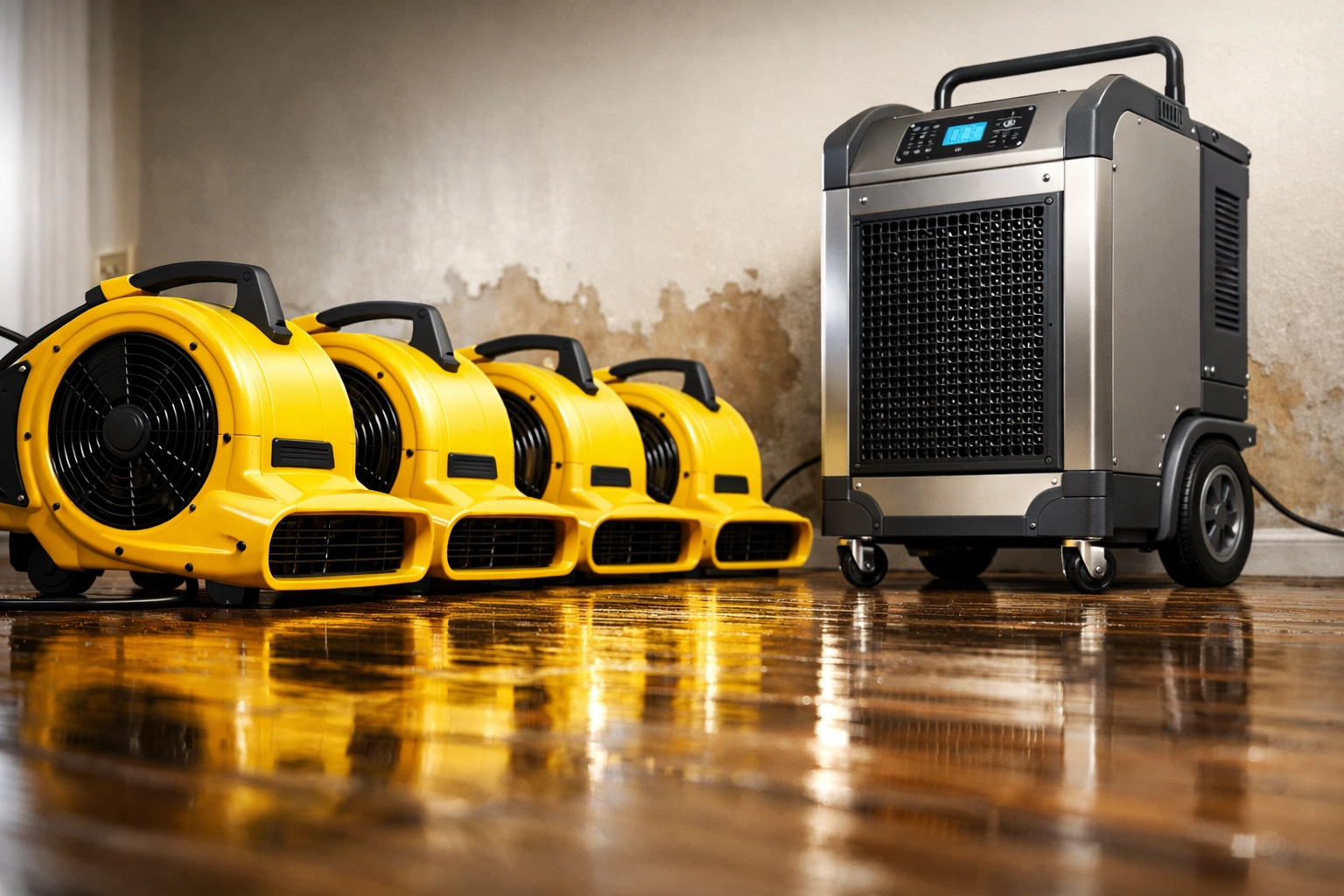
Know your limits. If the water came from a clean source (like a sink) and it’s a small area, you might be okay. But if the water is "grey" (dishwasher/washing machine) or "black" (sewage/outdoor flooding), call in the pros. We have industrial-grade extractors and dehumidifiers that do in hours what a shop-vac can’t do in a week. Check out our services at http://www.mywaterdamagehero.om to see how we handle the heavy lifting.
If you’ve ever tried to dry a soaking wet carpet with a hair dryer or a small desk fan, you know it’s frustrating. But did you know it could be damaging?
The Mistake: Using high heat or pointing fans directly at a wet spot without proper ventilation.
The Reality: Excessive heat can actually warp wood floors and damage carpet fibers. Also, if you don't have a dehumidifier running to catch the moisture the fans are kicking up into the air, that moisture will just settle on your ceiling or other walls, causing secondary damage.
How to Fix It:
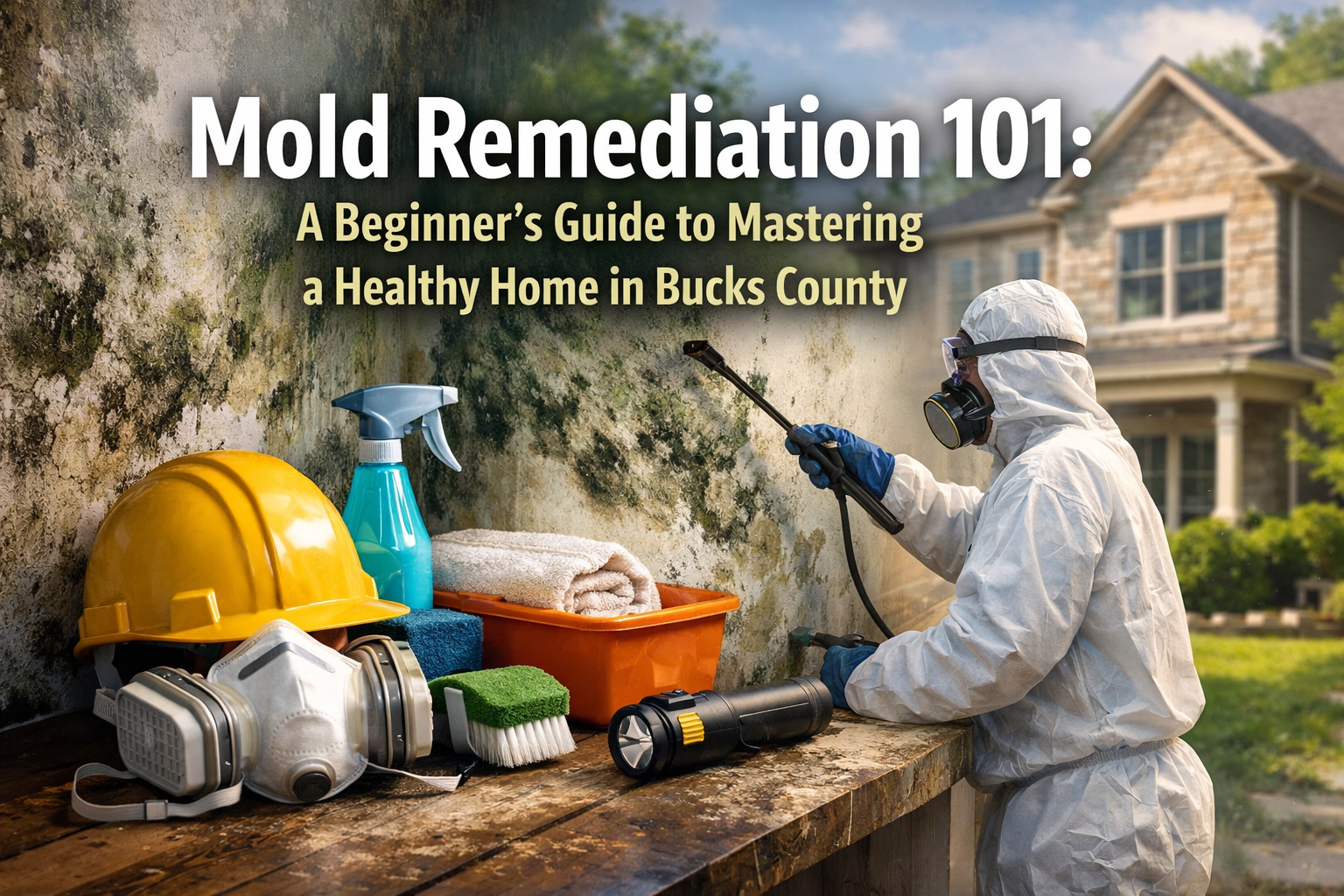
Focus on airflow and dehumidification, not just heat. You want to move large volumes of air across the surface to encourage evaporation. This is also a great time to think about your air duct cleaning. If your home is damp, your HVAC system is likely pulling in that moisture, which can lead to mold inside your vents. Keeping your ducts clean helps maintain better air quality during the restoration process.
It’s easy to get so focused on cleaning up the mess that you forget to ask: "Why did this happen?"
The Mistake: Cleaning up the water but leaving the leaky pipe or the clogged gutter alone.
The Reality: If you don't fix the source, you’re going to be doing this all over again next week. We’ve seen homeowners spend thousands on carpet cleaning and drying, only to have the next rainstorm ruin everything because they didn’t realize the window seal was broken.
How to Fix It:
Before you finish the restoration, ensure the source of the water is dead and buried. Whether it’s a roofing issue, a plumbing leak, or an appliance failure, get a licensed contractor to fix the root cause. It’s the only way to protect your investment.
Water isn't just "wet." Depending on where it came from, it can be full of bacteria, chemicals, or sewage.
The Mistake: Drying the area but skipping the disinfectant.
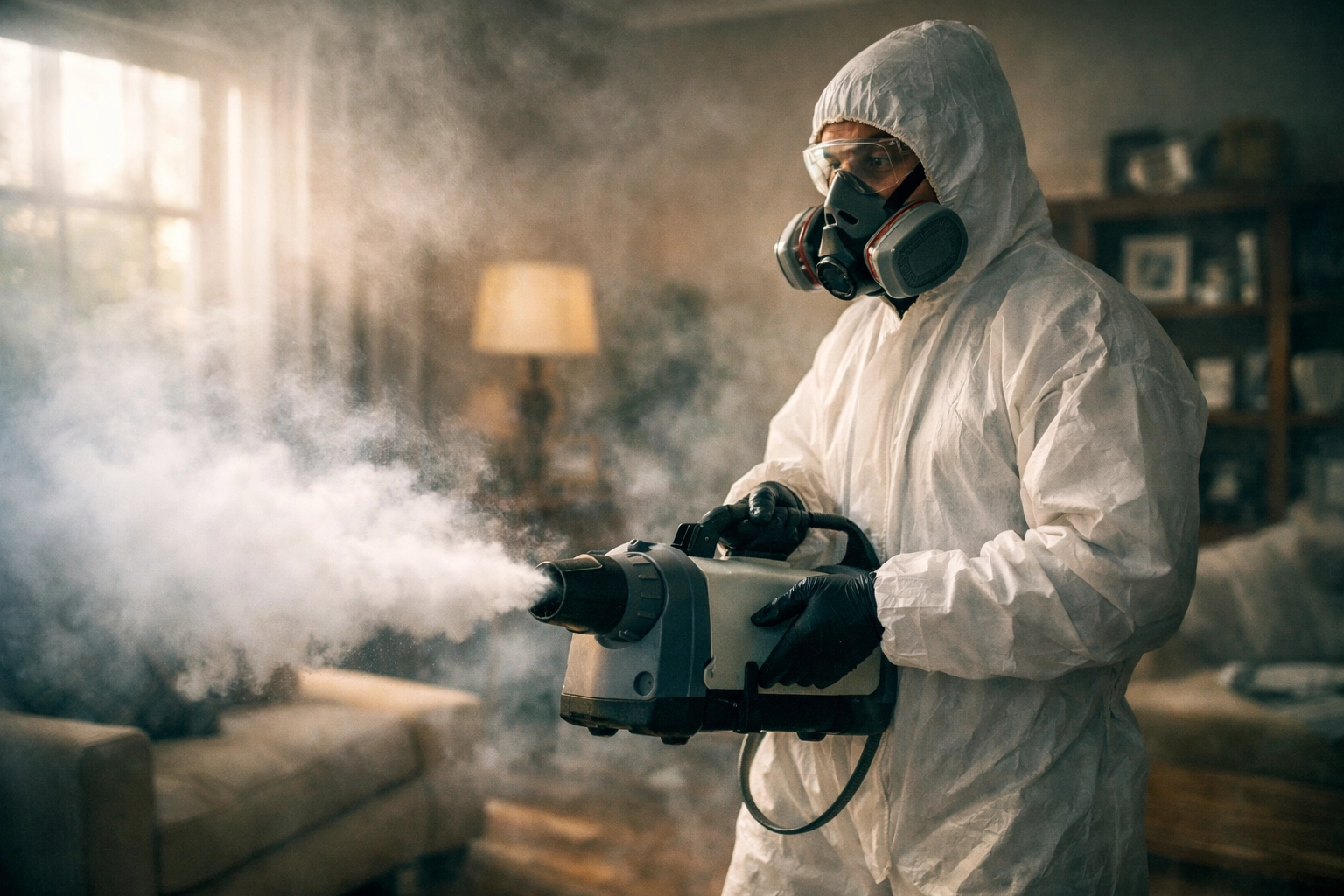
The Reality: Even clean water can become "dirty" quickly when it sits in your carpet or behind walls. If you just dry it out without sanitizing, you might be left with a musty smell that never goes away. Worse, you could be leaving behind pathogens that can make your family sick.
How to Fix It:
Every surface touched by water needs to be cleaned with professional-grade antimicrobials. This is especially true if you are also dealing with fire damage restoration, as the water used to put out a fire often mixes with soot and ash, creating a toxic sludge. Don’t just dry: disinfect!
Sometimes we get so worried about the floors and walls that we forget about the "stuff" sitting on them.
The Mistake: Leaving furniture sitting on wet carpet or assuming a soaked rug is a lost cause.
The Reality: Wood furniture can bleed stain onto your carpet, creating permanent spots. Meanwhile, your favorite area rug might be salvageable if treated quickly with professional carpet cleaning techniques.
How to Fix It:
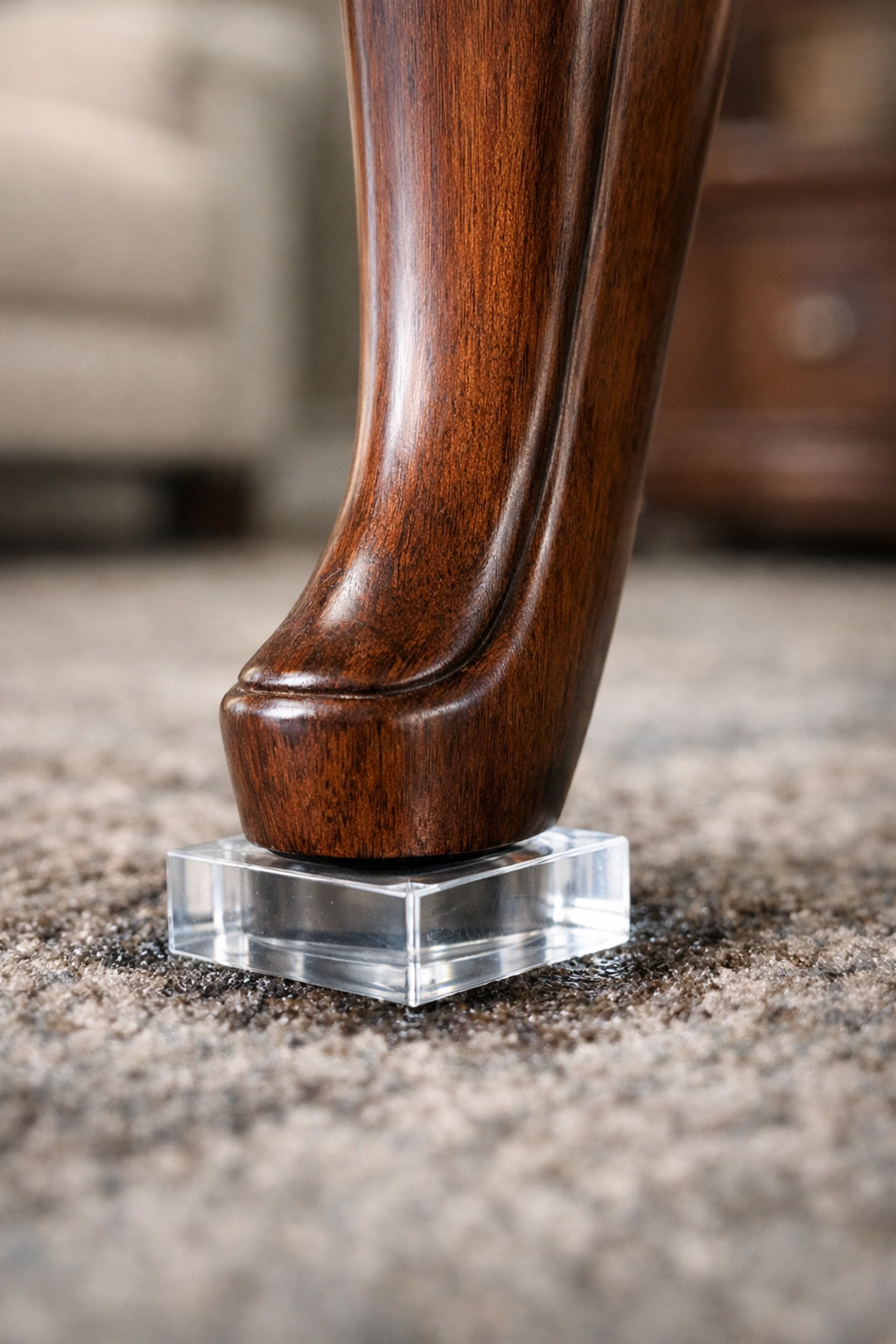
Move everything out of the affected area immediately. Use aluminum foil or wood blocks to "toe up" furniture if it's too heavy to move. For valuable rugs or documents, consult a restoration specialist. You’d be surprised what can be saved with the right technology!
Look, we know you’re capable. But your home is likely your biggest investment. Why take a gamble? At My Water Damage Hero, we specialize in making sure these seven mistakes never happen.
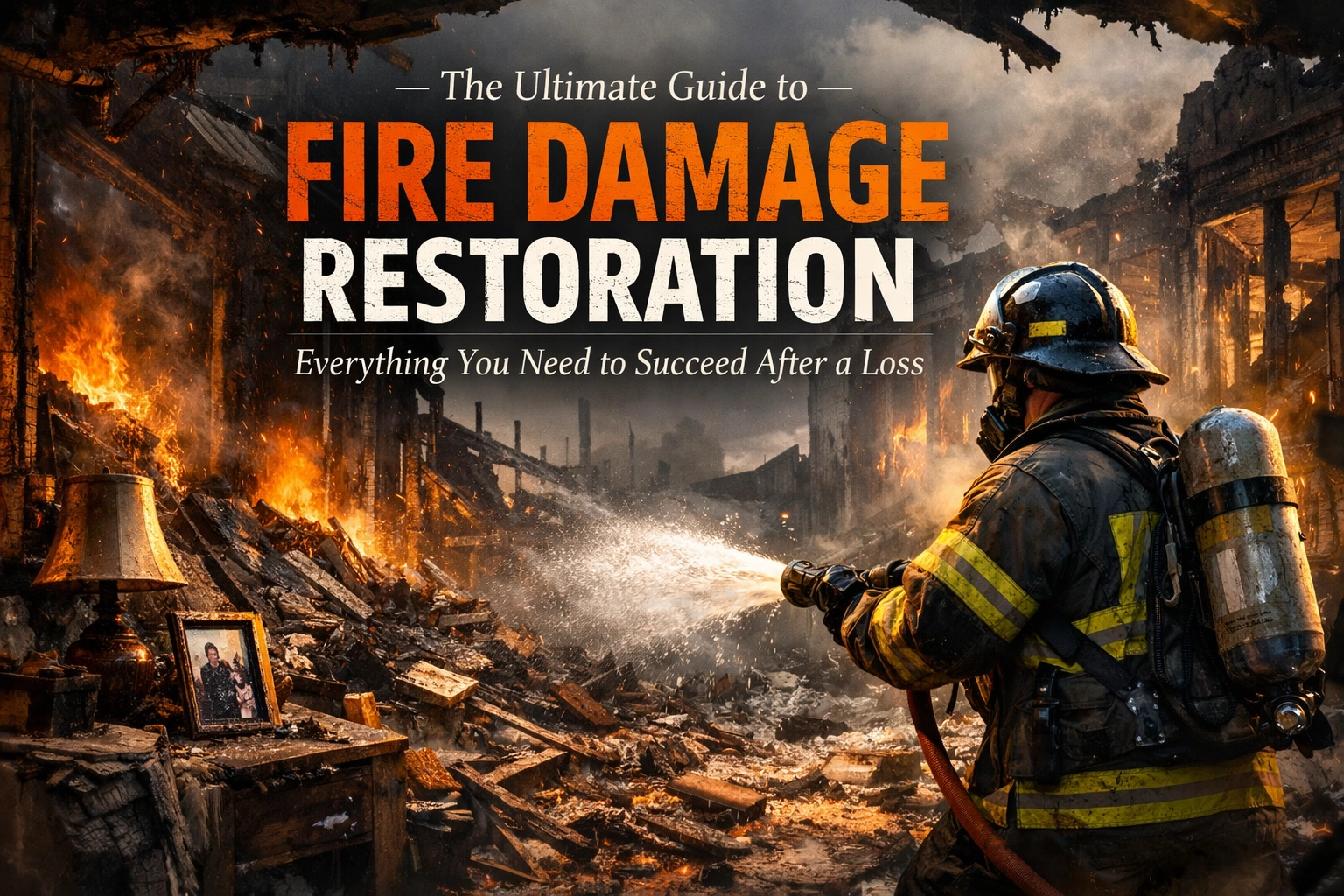
From the initial water extraction to the final air duct cleaning, we handle the entire process so you can get back to your life. We don’t just dry things; we restore your peace of mind. We also handle fire damage restoration and deep carpet cleaning to make sure your home feels like home again.
If you’re facing a water disaster: big or small: don’t wait for the mold to move in. Give us a shout or visit http://www.mywaterdamagehero.om. We’re here to help you fix the mistakes and get your house back in tip-top shape.
Stay dry out there!
– Tonya George
Social Media Manager, My Water Damage Hero

Contact us for quick, trusted restoration.
See how we’ve turned tough situations into success stories.

